


News

Share
Published 15:27 11 Sept 2016 BST

 Speaking to the PsyPost about their findings, John explained: "People unfriend people who have different political views to theirs. By unfriending we are further contributing to the formation of echo chambers and filter bubbles.
"More than that, these findings suggest that the people most likely to unfriend are younger, more politically active, more active on Facebook, have lots of Facebook friends, and have more extreme political views — these are important people in online discussions."
The study, published in the Journal of Communication, found that while people are willing to be open-minded those with starkly different views to our own are most likely to be blocked or deleted until the end of the conflict time.
*This article first appeared over on Her.ie*
Read more...
Speaking to the PsyPost about their findings, John explained: "People unfriend people who have different political views to theirs. By unfriending we are further contributing to the formation of echo chambers and filter bubbles.
"More than that, these findings suggest that the people most likely to unfriend are younger, more politically active, more active on Facebook, have lots of Facebook friends, and have more extreme political views — these are important people in online discussions."
The study, published in the Journal of Communication, found that while people are willing to be open-minded those with starkly different views to our own are most likely to be blocked or deleted until the end of the conflict time.
*This article first appeared over on Her.ie*
Read more...

Explore more on these topics:
News
News

News
News
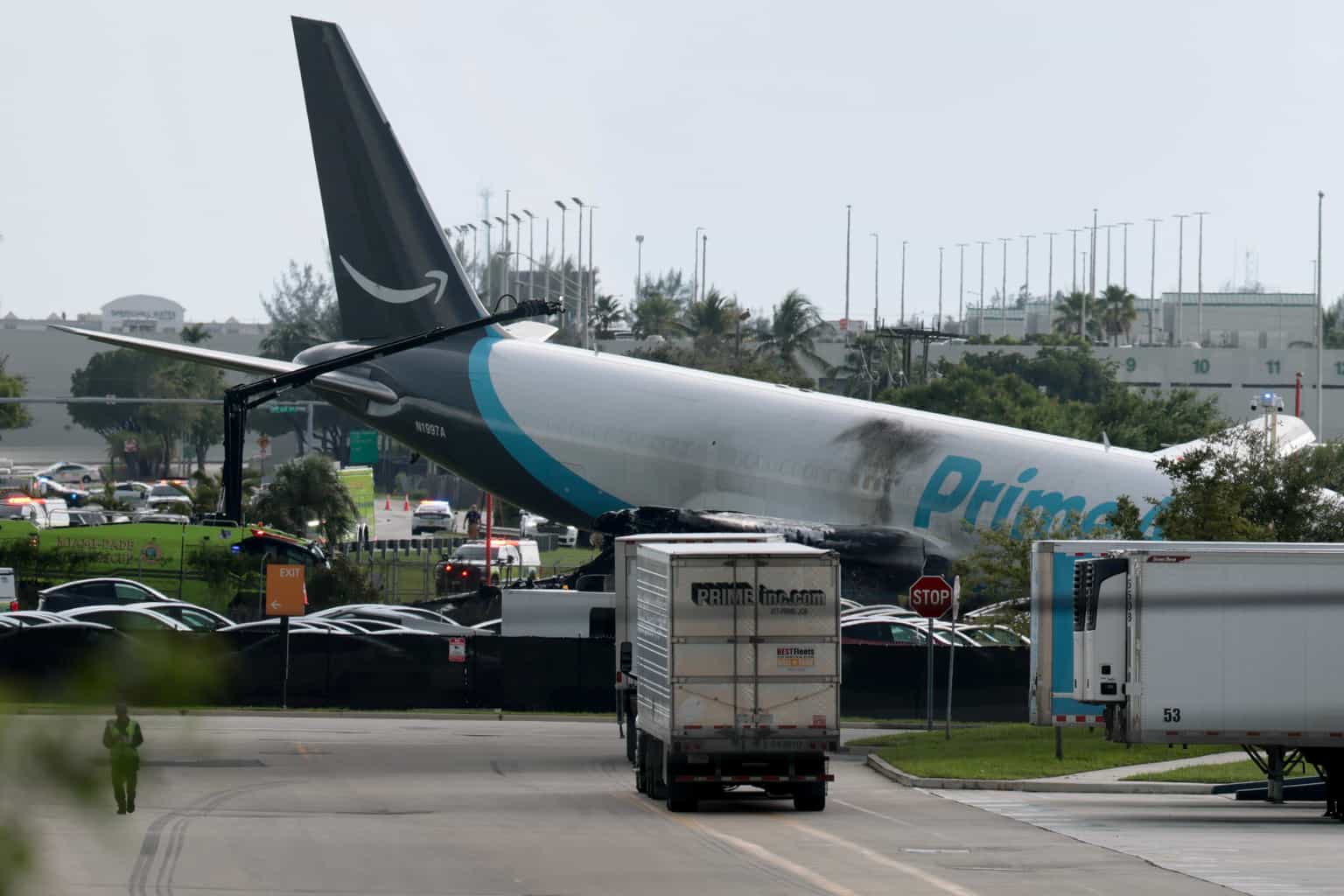
Major US airport closed after Amazon cargo plane overshoots runway hitting multiple vehicles
‘Multiple patients’ are being treated at the scene. A major US airport has been forced to stop all operations after an Amazon cargo plane overshot the runway, colliding with multiple vehicles. The incident happened this evening (Sunday, 6 September) at Miami International Airport at around 2pm local time (7pm BST). The aircraft in question is […]
News
6h
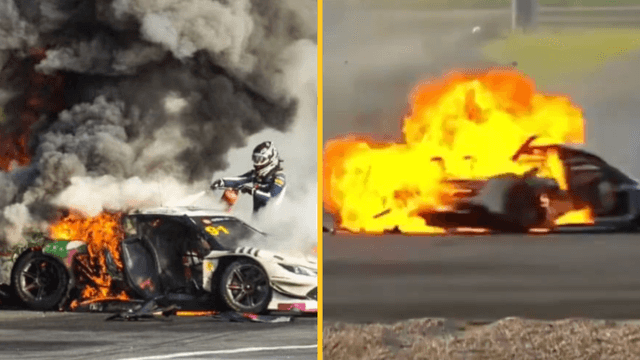
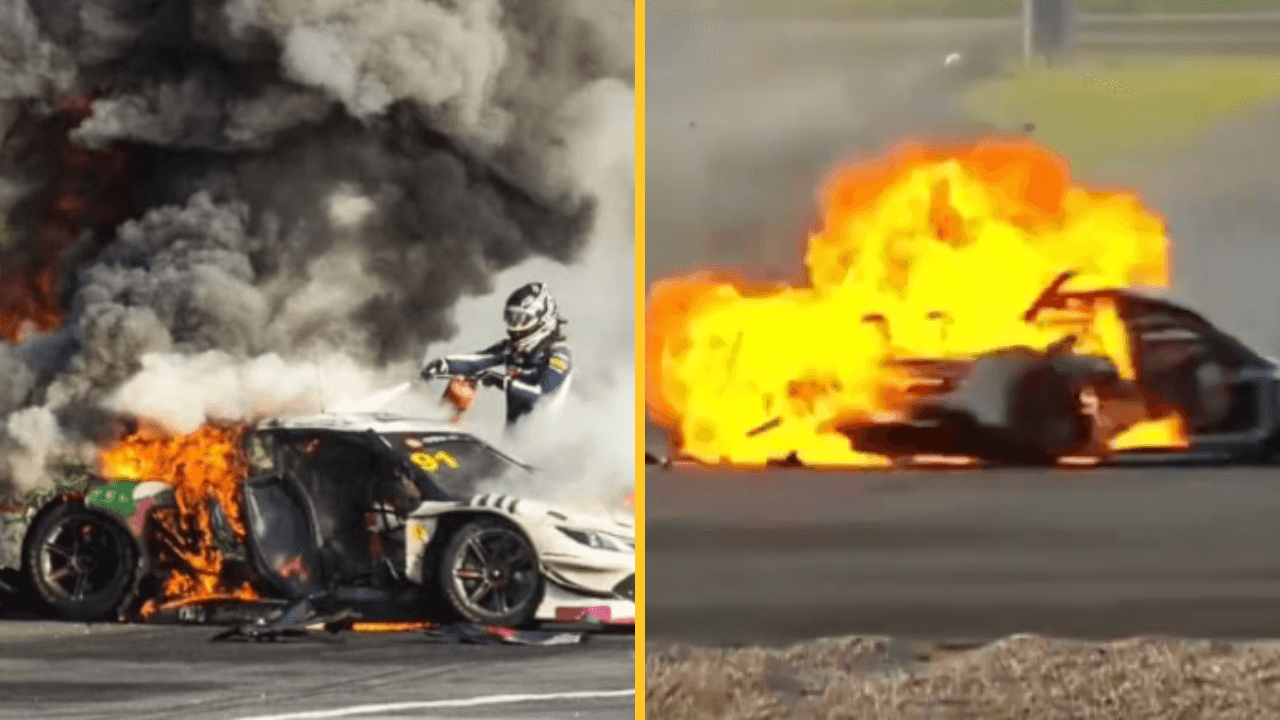
Race car driver issues incredible message after rivals rescues him from burning wreck
Incredible. British driver Ollie Millroy was close to losing his life at the China GT yesterday. His Ferrari became a fireball when the car unluckily became involved in a collision between two other vehicles. Rivals wizzed past until Dutchman Loek Hartog stopped and sprinted to his rescue. The footage shows frantic scenes as Hartog desperately […]
News
10h
Jeremy Clarkson issues blunt warning after 11 sheep stolen from Diddly Squat Farm
News