






News

Share
Published 15:31 28 Mar 2025 GMT
Updated 15:32 28 Mar 2025 GMT
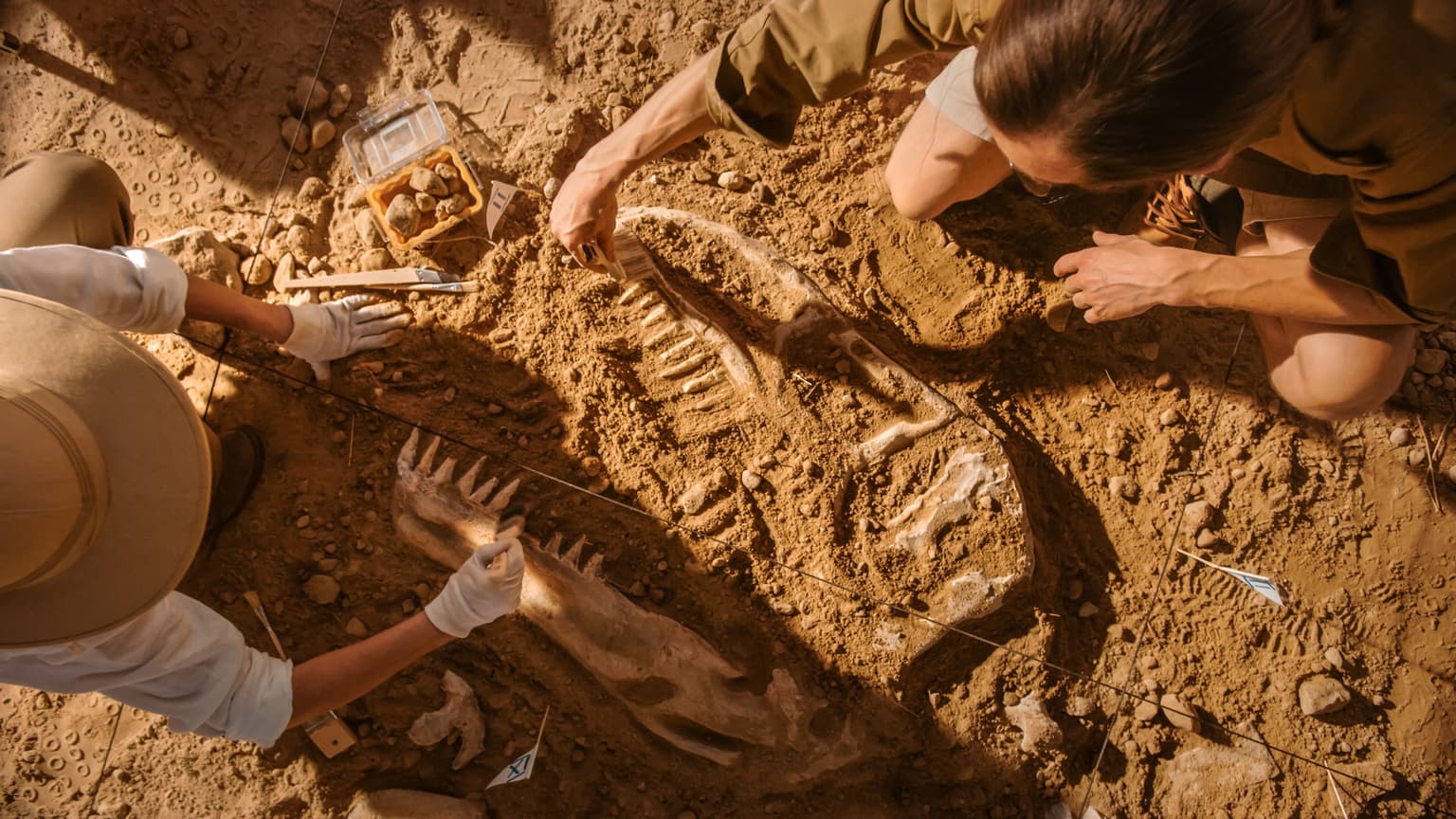
Dinosaurs, we all know the regulars at the prehistoric pub; T-Rex, Stegosaurus, Velociraptor, Triceratops, however, every now and then, palaeontologists get digging and unearth a new ancient specimen for us to gaze upon.
This is exactly what has happened in Mongolia's Gobi Desert where scientists have unearthed a new species of dinosaur unlike any other previously found before.
The species, dubbed Duonychus tsogtbaatari is a unique example of a group of dinosaurs known as Therizinosaurs, giant animals that stood on their hind legs and had three claws.
However, what is special about this species is that it has two claws instead of the usual three.
These claws were ginormous in size, measuring up to a foot in length, while the ancient animal weighed in at around 260kg.
While also being curved and flexible, the claws would aid the herbivore to grasp at vegetation.
Therizinosaurs lived during the Cretaceous Period, which began 145 million years ago and ended 66 million years ago.
They were herbivorous or omnivorous theropod dinosaurs that lived in Asia and North America.
The fossil was found in the Bayanshiree formation in the Gobi Desert in Mongolia.
The area is known as the largest dinosaur fossil reservoir in the world by Unesco.
Social image illustration credit: Masato Hattori

News
News
News

Harry Potter star says private schools should be ‘burnt to the ground’
Johnny Flynn says therapy helped him understand his boarding school trauma Johnny Flynn has spoken candidly about the lasting impact of his time at boarding school, describing the experience as traumatic and taking a strong stance against private education. The actor, known for the Channel 4 sitcom Lovesick, previously titled Scrotal Recall, and the 2020 […]
News
just now
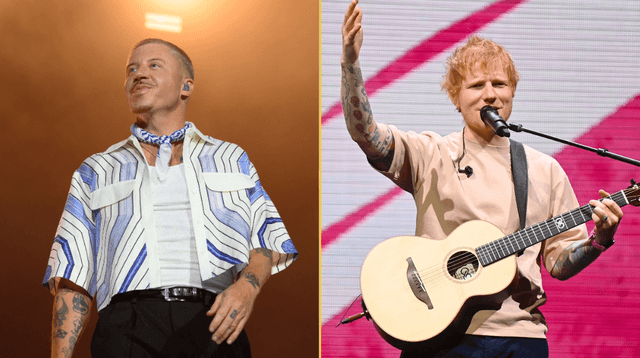
All the stars who have backed Macklemore after being dropped from Ed Sheeran tour for Free Palestine speech
Macklemore has refused to let his tour removal silence him Macklemore has been backed by a number of high-profile celebrities after being removed from Ed Sheeran’s US tour over his pro-Palestinian statements. The rapper, whose real name is Benjamin Haggerty, had been performing as the opening act on Sheeran’s Loop tour. That changed after he […]
News
just now
News
Should Burnham have a seat at the table over Celtic Alliance talks?
News