








News

Share
Published 17:53 15 Sept 2022 BST
Updated 17:57 15 Sept 2022 BST
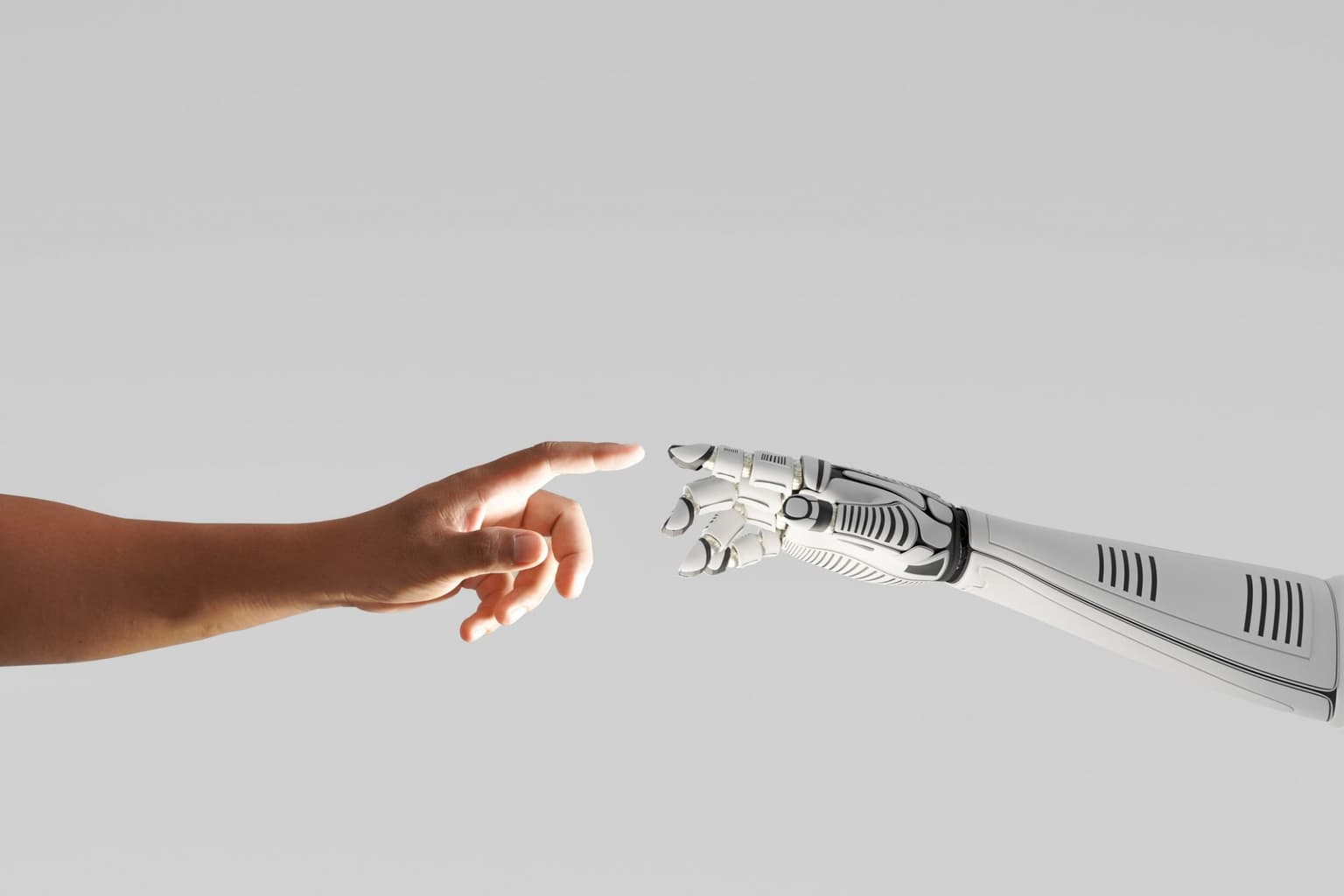
 Erica in action (Image: Graduate School of Informatics, Kyoto University, Japan)[/caption]
In a report published in the Frontiers in Robots and AI journal, scientists explained how they have been trying to make Erica's conversations more natural.
Dr Koji Inoue, lead author and assistant professor at Kyoto University in the Department of Intelligence Science and Technology, said the team thinks one of the important functions of conversational AI is "empathy".
The author explained how: "Conversation is, of course, multimodal, not just responding correctly. So we decided that one way a robot can empathise with users is to share their laughter, which you cannot do with a text-based chatbot."
[caption id="attachment_359094" align="alignnone" width="498"]
Erica in action (Image: Graduate School of Informatics, Kyoto University, Japan)[/caption]
In a report published in the Frontiers in Robots and AI journal, scientists explained how they have been trying to make Erica's conversations more natural.
Dr Koji Inoue, lead author and assistant professor at Kyoto University in the Department of Intelligence Science and Technology, said the team thinks one of the important functions of conversational AI is "empathy".
The author explained how: "Conversation is, of course, multimodal, not just responding correctly. So we decided that one way a robot can empathise with users is to share their laughter, which you cannot do with a text-based chatbot."
[caption id="attachment_359094" align="alignnone" width="498"] The research focused on shared laughter (Image: Graduate School of Informatics, Kyoto University, Japan)[/caption]
Researchers focused on "shared laughter", where a user laughs and the system laughs in turn. They used AI to help the robot detect not just laughter, but whether it is appropriate to laugh, and what kind of laughter is best to use in the situation.
Erica took part in four, two-to-three minute dialogues with people which were then used to test the system. These dialogues went well, scientists said, but improvements need to be made to make the laughter truly natural.
The research focused on shared laughter (Image: Graduate School of Informatics, Kyoto University, Japan)[/caption]
Researchers focused on "shared laughter", where a user laughs and the system laughs in turn. They used AI to help the robot detect not just laughter, but whether it is appropriate to laugh, and what kind of laughter is best to use in the situation.
Erica took part in four, two-to-three minute dialogues with people which were then used to test the system. These dialogues went well, scientists said, but improvements need to be made to make the laughter truly natural.
Dr Inoue said: "Robots should actually have a distinct character, and we think that they can show this through their conversational behaviours, such as laughing, eye gaze, gestures and speaking style.
"We do not think this is an easy problem at all, and it may well take more than 10 to 20 years before we can finally have a casual chat with a robot like we would with a friend."
Related links:
News

News

News
News
Wainwright fire kills several at Canada military base
A nearby hospital declared a mass-casualty emergency A fire at a Canadian military base has caused the deaths of several people and left dozens of others injured. The fire broke out at Canadian Forces Base Wainwright on Saturday evening, as per the BBC. According to Canadian broadcaster Global News, which cited unnamed military sources, at […]
News
2h
Store closures confirmed as HMV and Typo shut UK shops
More high street closures as retailers battle rising rents The UK retail landscape is set for another shake-up, with four familiar names preparing to close stores as businesses grapple with expensive leases and changing sales. Stationery retailer Typo is withdrawing from the British market altogether, putting its remaining 13 shops at risk of closure. Meanwhile, […]
News
19h

News
Government plans to expand BBC licence fee with proposed ‘YouTube Tax’
News