



news
Share
Millions of UK households could save £175 on energy bills under new £2bn Resolution Foundation plan
Published 16:03 10 Aug 2026 BST
Updated 16:03 10 Aug 2026 BST
Homenews
A new plan has been set out
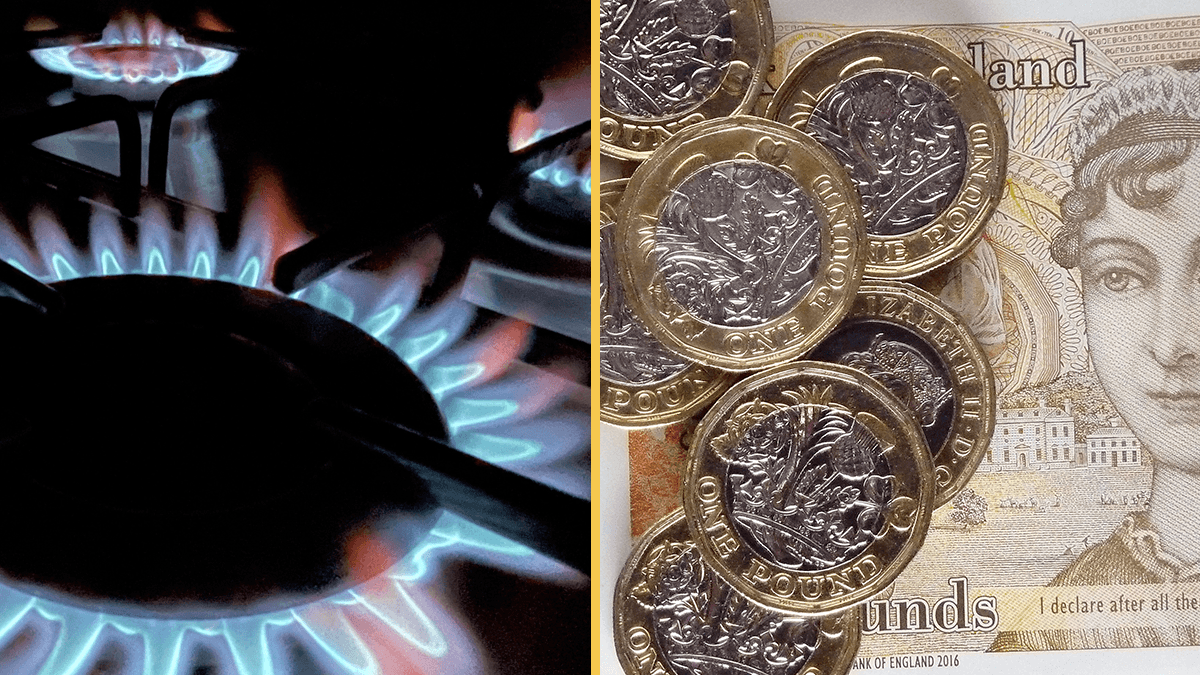
A new £2billion plan to protect households from another energy price shock means that millions of struggling ones could be handed an average £175 cut in their energy bills.
Ministers should prepare the emergency system now – before feared energy price rises in October and January, according to the Resolution Foundation, which has close links to Labour.
The latest warning comes amid continuing uncertainty around the conflict in Iran threatens and its impact on wholesale gas prices.
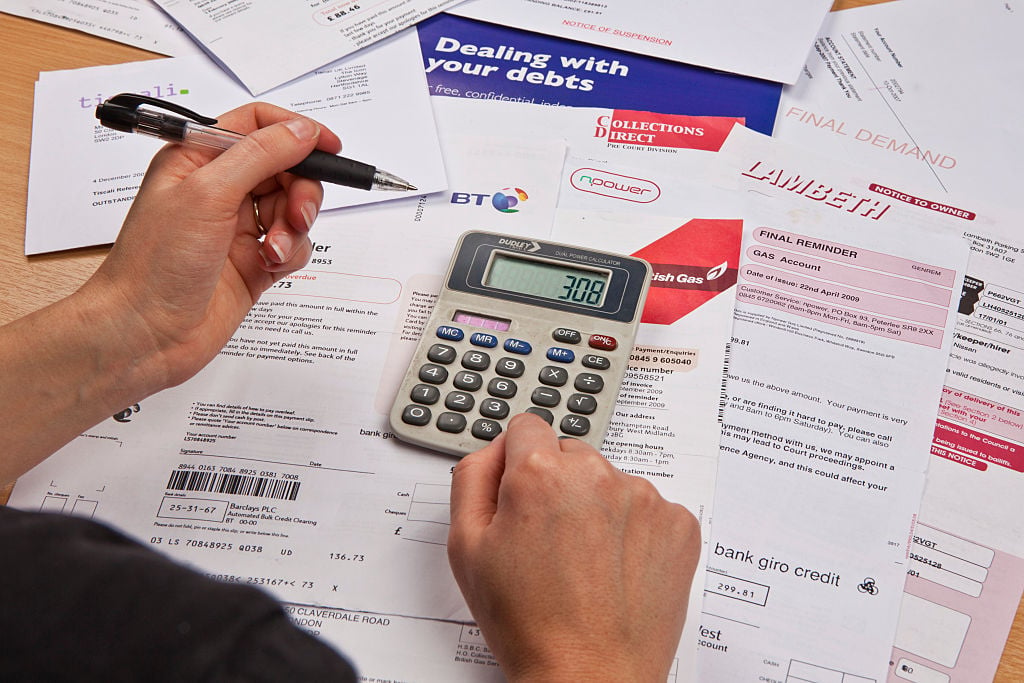
As per the Foundation, wholesale gas has climbed back to around 150 pence per therm, close to levels seen shortly after the first attacks and roughly twice the price recorded a year ago.
“The risk of a large jump in prices in Q1 2027 is very real”, it has further warned.
This proposed scheme, which is worth £2billion, would provide an average £175 discount to each eligible household.
“A £2 billion scheme could provide an average of £175 per eligible household”, the report further states.
Meanwhile, ministers could choose to concentrate more of the cash on the poorest families, and under that alternative, households where the highest-income individual earns less than £18,000 would receive around £220.
On the other hand, those with incomes between £18,000 and £24,000 would get around £85.
The tiered approach would “favour the poorest”, the Foundation says.
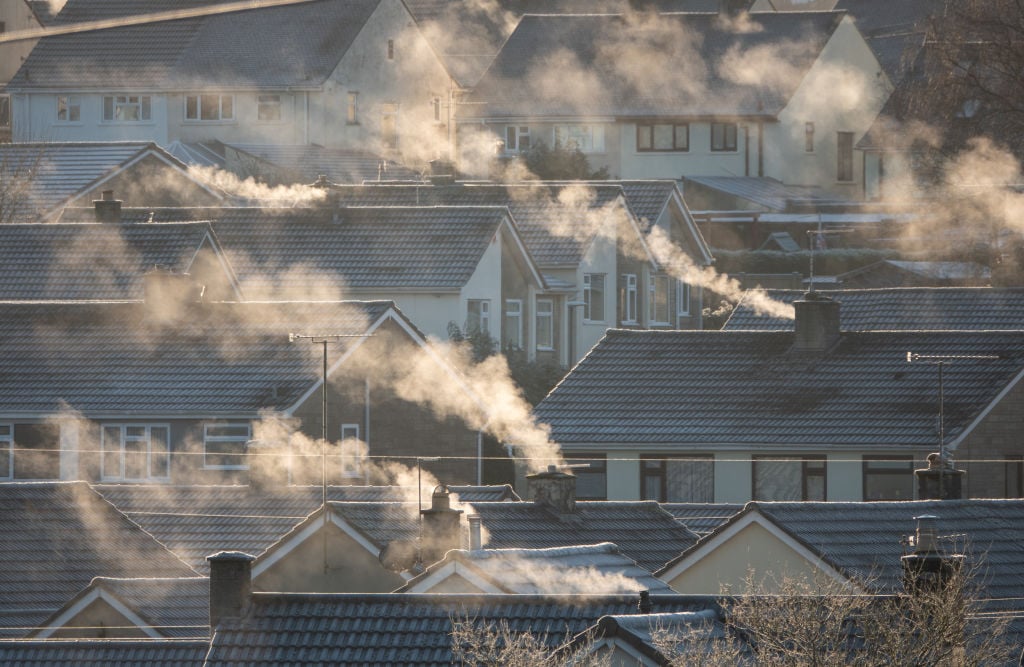
Fresh energy shock is faced by households
The latest warning comes as the Ofgem price cap jumped 13% between the second and third quarters of this year.
And while forecasts for the final quarter of 2026 suggest only a small rise, in case the situation in Iran deteriorates, the Foundation believes households could face a much nastier shock in January.
A VAT cut has already been announced by the government on electricity bills from October 1, worth around £45 a year to a typical household.
However, the Foundation warns that against soaring gas-heating costs, this will provide little protection.
Connected to the gas grid are some 84% of homes and as colder weather arrives, this makes gas prices particularly important.
In the meantime, the think tank has urged ministers not to repeat the approach used during the 2022 energy crisis, when universal support cost the government £44billion.
That blanket support is an extraordinarily expensive way of helping those struggling with bills because wealthy households benefit too, it has argued.
“It does not make sense to rely on further universal support, where the richer half of the population get more than half the benefit”, the report warns.
According to the Foundation, the government currently lacks an effective mechanism for targeting support at households struggling with energy bills outside the benefits system.
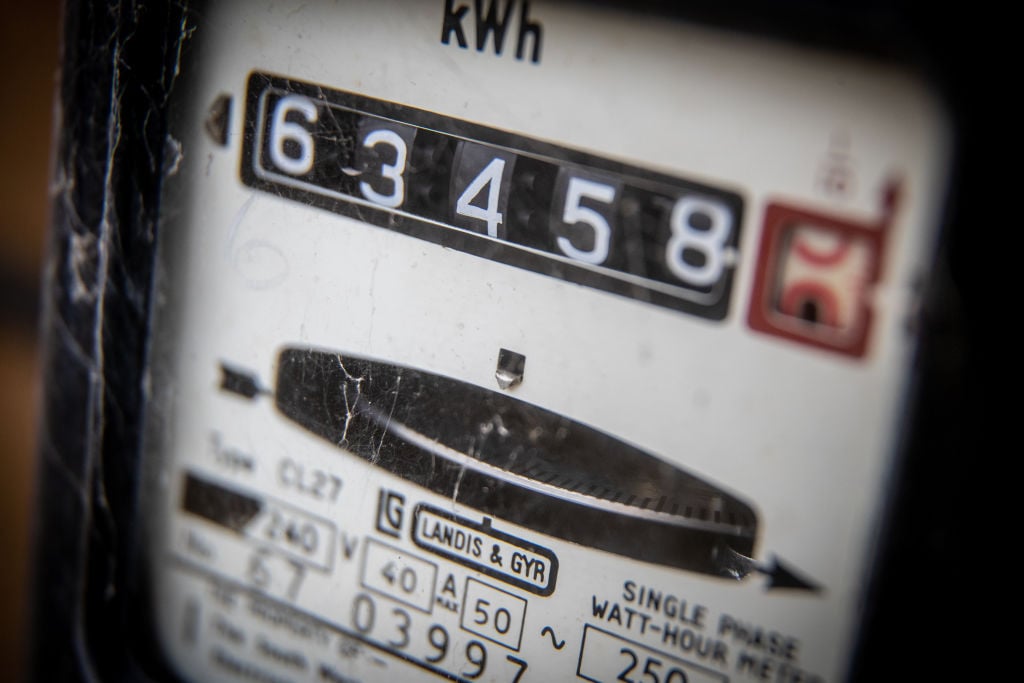
Here’s who would qualify for the £175
An income test based on the highest-income individual living in the household would be used by the proposed scheme.
Therefore, a threshold of £24,000 a year would reach around 40% of households and cover around 75% of households in the poorest four income deciles.
The Foundation argues that simply relying on benefits would leave too many struggling households lacking and the existing Warm Home Discount system reaches only around a quarter of British households.
As per the report, passporting support through means-tested benefits “would miss most below-average-income households.”
Every eligible household would receive an average £175 discount under the flat-rate version of the proposal, while a two-tier system would direct more money towards those on the lowest incomes.
On the other hand, households with a highest individual income below £18,000 would receive around £220, while those between £18,000 and £24,000 would receive around £85.
Explore more on these topics: