


News

Share
Published 10:11 12 Sept 2022 BST
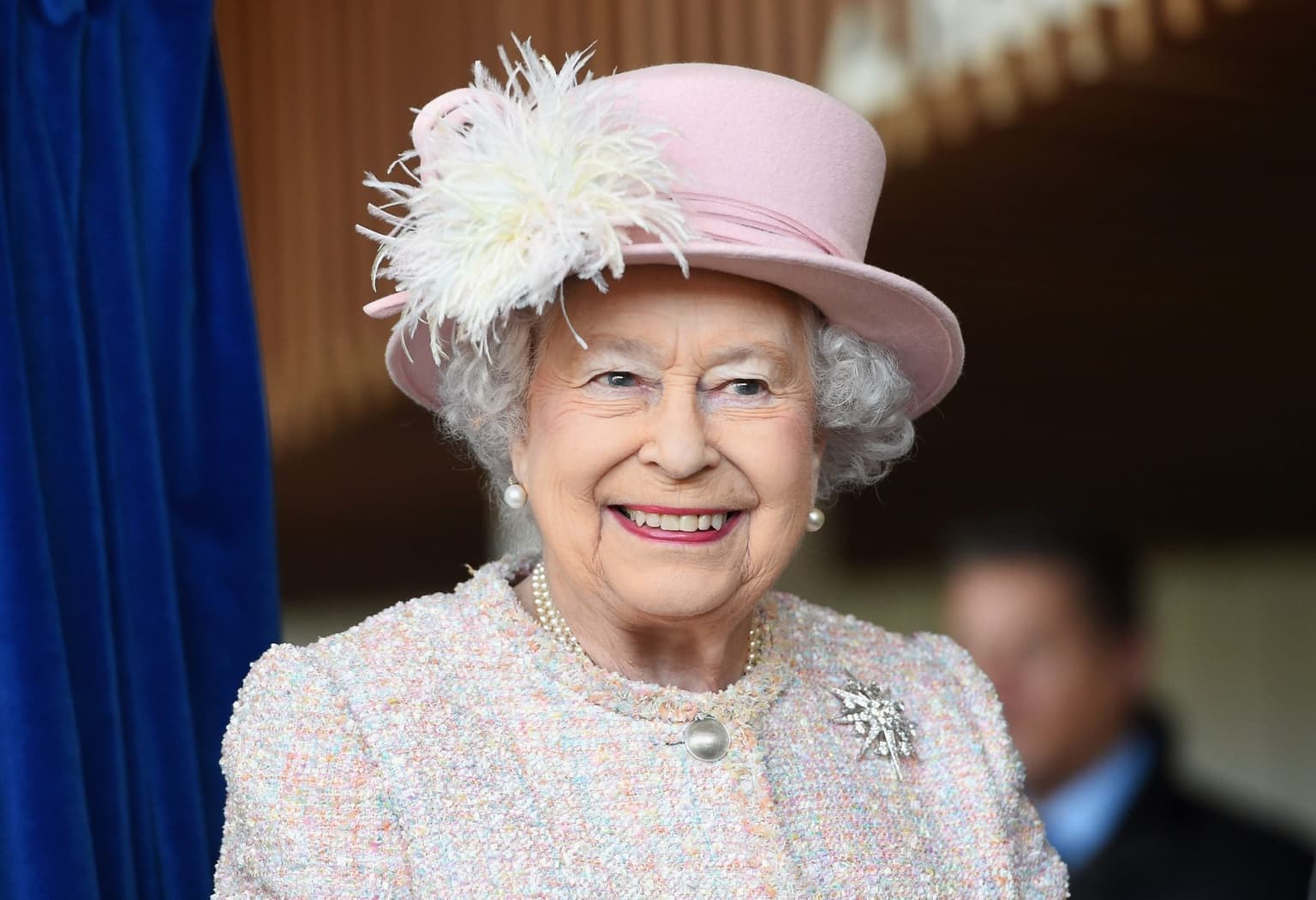
 Queen Elizabeth II attends a royal gala at the Wales Millennium Centre on November 28, 2004 in Cardiff, Wales. (Photo by Anwar Hussein/Getty Images)[/caption]
According to Forbes, the crown, through the the Firm (which actually goes by “Monarchy PLC”), holds nearly $28 billion in assets.
The Crown Estate holds $19.5 billion, Buckingham Palace is worth an estimated $4.9 billion, the Duchy of Cornwall holds $1.3 billion, the Duchy of Lancaster holds $748 million, Kensington Palace has an estimated worth of $630 million, and the Crown Estate Scotland holds $592 million.
That's a lot of cash.
According to Forbes, the Crown Estate made £475 million in profits in 2020, and the royal family got 25 percent of that (also known as the Sovereign Grant), while the remaining 75 percent went to the British Treasury.
In 2022, that grant reached £86.3 million.
This comes as Prince William and his wife Kate Middleton - now the Prince and Princess of Wales - made a lot of money in one single day last week after the Queen's death.
[caption id="attachment_358253" align="alignnone" width="2048"]
Queen Elizabeth II attends a royal gala at the Wales Millennium Centre on November 28, 2004 in Cardiff, Wales. (Photo by Anwar Hussein/Getty Images)[/caption]
According to Forbes, the crown, through the the Firm (which actually goes by “Monarchy PLC”), holds nearly $28 billion in assets.
The Crown Estate holds $19.5 billion, Buckingham Palace is worth an estimated $4.9 billion, the Duchy of Cornwall holds $1.3 billion, the Duchy of Lancaster holds $748 million, Kensington Palace has an estimated worth of $630 million, and the Crown Estate Scotland holds $592 million.
That's a lot of cash.
According to Forbes, the Crown Estate made £475 million in profits in 2020, and the royal family got 25 percent of that (also known as the Sovereign Grant), while the remaining 75 percent went to the British Treasury.
In 2022, that grant reached £86.3 million.
This comes as Prince William and his wife Kate Middleton - now the Prince and Princess of Wales - made a lot of money in one single day last week after the Queen's death.
[caption id="attachment_358253" align="alignnone" width="2048"] The Prince and Princess of Wales are also loaded (Photo by Kirsty O'Connor - WPA Pool/Getty Images)[/caption]
Prior to Thursday's news, William received funds from the Crown Estate, Sovereign Grants, and from his inheritance from his late mother Princess Diana and his net worth was estimated to be about $40 million (£34 million).
While millions isn't too bad, his net worth shot up by $1.3 billion (£1.1bn), taking his total net worth up to $1.34bn. All because the royal couple inherited King Charles' former titles.
As well as being the Duke and Duchess of Cambridge, they are now Prince and Princess of Wales, as well as the Duke and Duchess of Cornwall. Impressive, considering majority of us have a grand total of zero titles.
The Duchy of Cornwall (formerly in Prince Charles' possession) comes with a huge £1.1 billion portfolio of land and various assets across the country.
The estate is around 128,000 acres, spans across 20 counties in England and Wales - oddly enough most of it isn't actually in Cornwall - and consists of farmland, parts of Dartmoor national park, cricket grounds, and even a prison.
[caption id="attachment_358022" align="alignnone" width="1952"]
The Prince and Princess of Wales are also loaded (Photo by Kirsty O'Connor - WPA Pool/Getty Images)[/caption]
Prior to Thursday's news, William received funds from the Crown Estate, Sovereign Grants, and from his inheritance from his late mother Princess Diana and his net worth was estimated to be about $40 million (£34 million).
While millions isn't too bad, his net worth shot up by $1.3 billion (£1.1bn), taking his total net worth up to $1.34bn. All because the royal couple inherited King Charles' former titles.
As well as being the Duke and Duchess of Cambridge, they are now Prince and Princess of Wales, as well as the Duke and Duchess of Cornwall. Impressive, considering majority of us have a grand total of zero titles.
The Duchy of Cornwall (formerly in Prince Charles' possession) comes with a huge £1.1 billion portfolio of land and various assets across the country.
The estate is around 128,000 acres, spans across 20 counties in England and Wales - oddly enough most of it isn't actually in Cornwall - and consists of farmland, parts of Dartmoor national park, cricket grounds, and even a prison.
[caption id="attachment_358022" align="alignnone" width="1952"] King Charles III during his first address as King following Queen Elizabeth's death. Credit: BBC[/caption]
The ownership of the estate paid him £21 million ($24m) in the last fiscal year and the King voluntarily paid the top rate of income tax (45 percent) on the property.
However, as the duchy is not considered a company according to tax laws, the king did not have to pay corporate or capital gains tax. This is a move that has been criticised, of course.
Charles also set up a food company three decades ago, named Duchy Organics, which many argue connects the estate and title with the company.
The brand was acquired by Waitrose and is no longer attached toDuchy, but that hasn't stopped the backlash. There are hopes that William may do things differently as he now makes all decisions on shaping its future.
Related links:
King Charles III during his first address as King following Queen Elizabeth's death. Credit: BBC[/caption]
The ownership of the estate paid him £21 million ($24m) in the last fiscal year and the King voluntarily paid the top rate of income tax (45 percent) on the property.
However, as the duchy is not considered a company according to tax laws, the king did not have to pay corporate or capital gains tax. This is a move that has been criticised, of course.
Charles also set up a food company three decades ago, named Duchy Organics, which many argue connects the estate and title with the company.
The brand was acquired by Waitrose and is no longer attached toDuchy, but that hasn't stopped the backlash. There are hopes that William may do things differently as he now makes all decisions on shaping its future.
Related links:
Explore more on these topics:

News
News

News
Major airport in Europe cancels dozens of flights due to strikes
Strike action is expected to continue for weeks As air traffic controllers walk out, cancellations of flights are expected to affect passengers for several weeks in one of Belgium’s largest airports. At Brussels South Charleroi Airport, which is the second largest in the country’s capital, air traffic controllers have announced strikes that will continue every […]
News
1 day ago
Virgin Atlantic flight declares midair emergency over UK minutes after take off
The plane squawked 7700 A Virgin Altantic flight has declared a midair emergency over the UK minutes after taking off. The A330 aircraft, registered G-VSXY, departed Manchester Airport at 15:10 with New York as its destination. The flight did multiple loops in the Merseyside area, to the west of Manchester, before landing back at the […]
News
1 day ago
News
How is it possible for a borough to raise council tax by 94% and could more councils follow?
News