









News

Share
Published 11:51 7 Oct 2024 BST
Updated 11:51 7 Oct 2024 BST
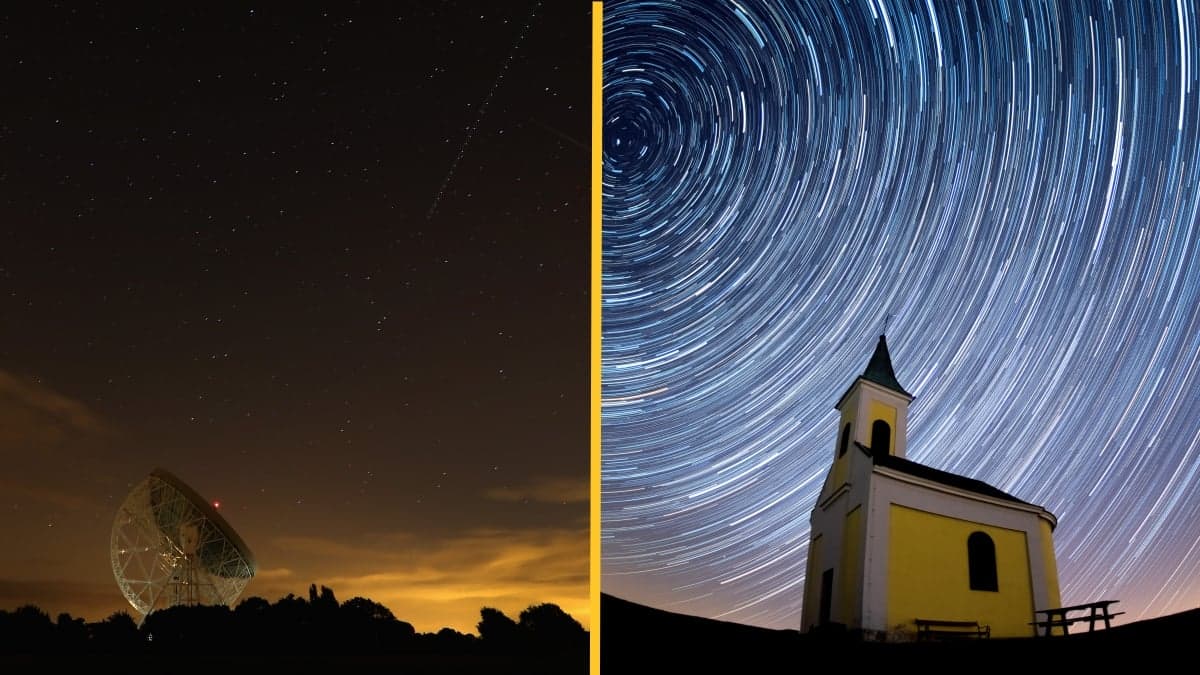
A meteor shower is set to light up skies across the UK tonight, showcasing one of nature's most beautiful phenomena.
This evening's light show is one of two meteor showers set to illuminate skies across the next month giving keen observers multiple chances to catch a glimpse of a 'shooting star'.
The first of these are the Draconids, a short-lived meteor shower that is typically visible from the 6 to 10 October, but will be most active between the 8 and 9 October.
The shower gets its name from the Draco constellation and are believed to come from the debris leftover from Comet 21 P/Giacobini-Zinner which is currently on a trajectory past Earth.
The Draconids are known for their unpredictability, and has been known to produce a stellar 1,000 meteors per hour in the past.
Meanwhile, if you fail to catch the 'dragon' then there's always a chance to see the Orionid meteor shower later in the month.
Named after the Orion constellation where the meteors appear to originate from, NASA describe the light show as "one of the most beautiful meteor showers of the year".
These 'shooting stars' are in fact debris from the world famous Halley's Comet, making the Orionids real VIPs of the meteor shower scene.
While the Orionids are a yearly occurrence, Halley's Comet can only be seen once every 75 years with it next passing Earth in 2061.
The Orionid meteor shower is officially active from the 2 October till 7 November, however will peak on the night of the 21 October into the 22 October - so set a reminder!
For observing such phenomena at night time it has been advised before by the European Space Agency (ESA) to stay away from areas with lots of lightning and try and find dark places to watch the skies.
They also advise to avoid looking at screens or other bright objects in the half hour before going to watch the shower in order to allow the eyes to adjust to the dark.
The best time to see the meteors will be just after midnight, when the sky is at its darkest.
Of course the weather is a key component to seeing the shower, with cloud cover expected to be patchy in places in the coming days and weeks, it could all come down to luck.
Meteors come from debris that is shed from comets that then hit the earth's atmosphere expulsing bright streaks of light as the friction burns up the particles high in the sky.
A meteor is a meteoroid that burns up in the Earth's atmosphere while a meteorite is a meteoroid that reaches the Earths surface.
Meteoroids are typically 2mm to 1m in size while an asteroid is anything larger.
A comet is a large ball of frozen gas, rock and dust that orbits the sun.
Explore more on these topics:

News

News

News

News
Reform accused of ‘sickening new low’ with small boats mobile game
So that’s what Reform have decided to spend their crypto billions on. Reform has been accused of hitting a “sickening new low” after the party launched a small boats mobile game. As the party continues to face questions over whether £72m of donations from crypto billionaires will comply with electoral law, it seems Reform are already spending some […]
News
3h
Harry Potter star says private schools should be ‘burnt to the ground’
Johnny Flynn says therapy helped him understand his boarding school trauma Johnny Flynn has spoken candidly about the lasting impact of his time at boarding school, describing the experience as traumatic and taking a strong stance against private education. The actor, known for the Channel 4 sitcom Lovesick, previously titled Scrotal Recall, and the 2020 […]
News
3h
Major new ChatGPT rules announced for young people in the UK
News