







News

Share
Published 11:44 1 Oct 2026 BST
Updated 11:51 1 Oct 2026 BST
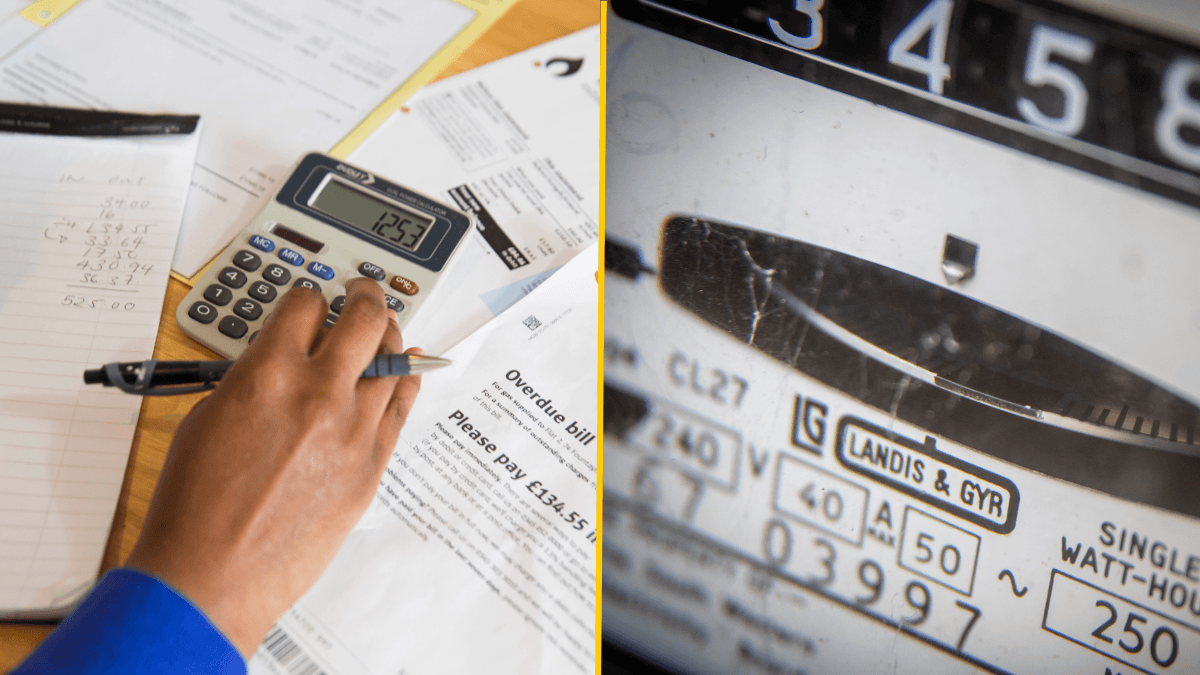
From Wednesday (1 October), there is a new energy price cap as the average annual energy bills rise by £60 for a typical household.
For the next three months, the 4% rise in the energy price cap will see billpayers in a typical dual fuel home pay £1,723 - up from £1,663.
Households that use high amounts of energy will pay more than the typical figure announced, as Ofgem's price cap puts a limit on how much suppliers can charge per unit of energy.
Meanwhile, that also means that homes which use less energy should pay less.
Due to a six-month VAT cut that takes effect today, the cap is an estimated £45 lower.
The energy price cap increase will be felt more by gas customers, as the homes that rely heavily on gas for heating and hot water are likely to feel the greatest impact.
Compared with 2025, there is an increase of around 27%, as gas unit rates have risen from 6.29p per kilowatt-hour (kWh) last winter to almost 8p per kWh on 1 October.
Meanwhile, thanks to the government’s decision to cut VAT on electricity, electricity prices are being held broadly stable.
On 25 November, the next cap covering 1 January 2027 to 31 March 2027 is due to be announced.
In that period, bills are on course to climb to £1,999 a year, new forecasts from consultancy Cornwall Insight have shown.
For a typical home, this rise by 16 per cent would add £276 to the bill.
The wholesale gas prices surging to their highest level in three years is what has driven the change.
Meanwhile, ahead of winter, European gas storage levels remain unusually low.
Bill payers have, for the past couple of years, been able to save a substantial amount through a fixed deal.
However, that decision has become more complicated.
Now, the cheapest fix is £1,675, which is up from £1,640 two weeks ago.
As per Uswitch, the cheapest fixed tariff on the market is Fuse Energy's 18-month fix, with an average annual bill of £1,675.
That's £48 below October's £1,723 price cap and £324 below the £1,999 level forecast for January.
EDF's Exclusive Oct28 fix comes in at £1,693 a year, which is available via Uswitch or Confused.com.
On the other hand, Outfox Energy's 24-month Family Advantage+ tariff costs £1,709.
These three fixed deals would leave you and your household paying less than the predicted January price cap.
That said, you may find yourself paying more than the cap if you lock in for 18 to 24 months and the US-Iran war de-escalates.
Finding a deal with low exit fees offers a potential middle ground, if you want the security of knowing what you'll be paying for a period of time.
Per fuel, they tend to range from £50 to £100.
Ofgem looks at what's happened to eight costs:
• Wholesale costs
• Network costs
• Supplier business costs
• Government schemes
• Earnings before interest and taxes allowance
• Uncertain costs and risks
• Levelisation allowance - this makes sure prepayment and direct debit customers pay the same standing charge
• VAT
Martin Lewis has also issued advice on how to save money ahead of energy price cap hike.
Lewis warned that “fixes were quite a bit cheaper about six weeks ago”, so “if, and it’s a big if, things in the Middle East settle down you may be able to fix at far lower prices in future.”
Further he advises that for “someone who has been on the standard tariff for ages, then the safest thing is just to get a cheap fix now,” while “if you’re a regular fixer who’ll monitor the market, there’s a chance waiting may turn out to be better.”
The change will impact around 65% of households in England, Scotland and Wales, which will push prices to their highest level in three years.
Explore more on these topics:

News
News

News

News
Where the UK ranks as top 10 countries with best gender equality revealed
The UK fell one place in the report In September, the World Economic Forum released its annual Global Gender Gap Index, ranking 145 countries on gender equality. Full equality appears 120 years away now, meaning the world will have to wait until 2146. This is only assuming that progress actually continues, as before the pandemic, […]
News
17h
Macklemore’s ‘Free Palestine Tour’ date in Dublin sells out in just five minutes
Dublin fans had minutes to grab Macklemore tickets Macklemore’s Dublin show has completely sold out, with fans claiming tickets for the rapper’s Free Palestine tour disappeared within minutes. The 3Arena gig, set for 26 October, was announced last week alongside dates in Paris and London. But anyone hoping to grab a ticket had to move […]
News
20h
News