








News

Share
Published 14:20 26 Aug 2026 BST
Updated 14:21 26 Aug 2026 BST
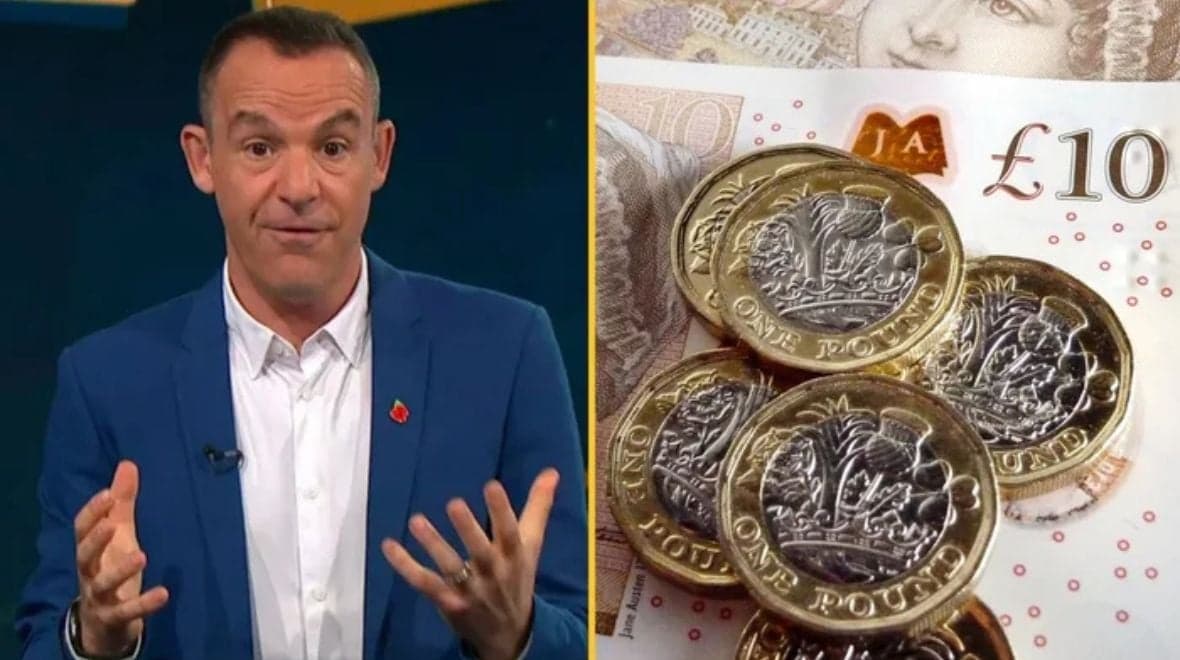
Martin Lewis has said that the latest rise by Ofgem - which confirmed the UK’s energy price cap will go up by 4% on October 1, adding an extra £60 a year to the typical dual fuel bill – “would’ve been even worse” without the recent domestic electricity VAT cut.
By the regulator, the latest rise was blamed on “volatile global gas markets” caused by the ongoing Middle East conflict.
The change will impact around 65% of households in England, Scotland and Wales, which will push prices to their highest level in three years.
“High international gas prices are continuing to drive energy costs in the UK. We welcome the Government’s intervention to remove VAT from electricity bills, without which customers would have faced even higher costs this winter”, Director general of markets at Ofgem, Neil Kenward, said in a statement.
However, why the turbulence may not end here was explained by financial journalist and broadcaster Martin Lewis on X.
“The cap only lasts three months and changes again on January 1, 2027, and sadly it’s currently predicted to rise substantially again then, though that’s a bit of crystal-ball gazing.”
Money Saving Expert (MSE) claims it all comes down to “how risk averse you are and your current situation”, so there is a way to potentially avoid the worst of these increases.
The cheapest fixed deals available right now are about 8% less than the current cap (or around 11% less than it’ll be from October) so acting now could really pay, according to MSE.
The team says that as such, if your tariff is determined by the Ofgem price, “the risk averse thing to do right now is to fix your energy, as this will lock in your rates for a year.”
Martin also warns that “fixes were quite a bit cheaper about six weeks ago”, so “if, and it’s a big if, things in the Middle East settle down you may be able to fix at far lower prices in future.”
Further he advises that for “someone who has been on the standard tariff for ages, then the safest thing is just to get a cheap fix now,” while “if you’re a regular fixer who’ll monitor the market, there’s a chance waiting may turn out to be better.”
Explore more on these topics:

News

News
News

News
Rejoining EU could boost UK economy by £150bn – Goldman Sachs
Analysts from the bank reckon a ‘Breturn’ would boost the UK economy by 2-5% by the start of the next decade. Goldman Sachs has said rejoining the European Union could boost the UK economy by as much as £150 billion. In a note to clients, the Wall Street bank voiced its support for Andy Burnham’s […]
News
1 day ago
Travel chaos across Italian airports after air traffic control failure
Air traffic management capacity has been slashed in half Travel chaos has struck Italy’s major airports after an air traffic control failure left capacity halved on Friday. Hundreds of flights across Italy have been delayed and over 100 cancelled due to “anomalies” with air traffic control (ATC) services. The Italian air navigation service provider, ENAV, […]
News
1 day ago
News
Abu Dhabi Royal was found passed out on street in London after ‘cocaine binge’
News