






News

Share
Published 16:46 27 Sept 2022 BST
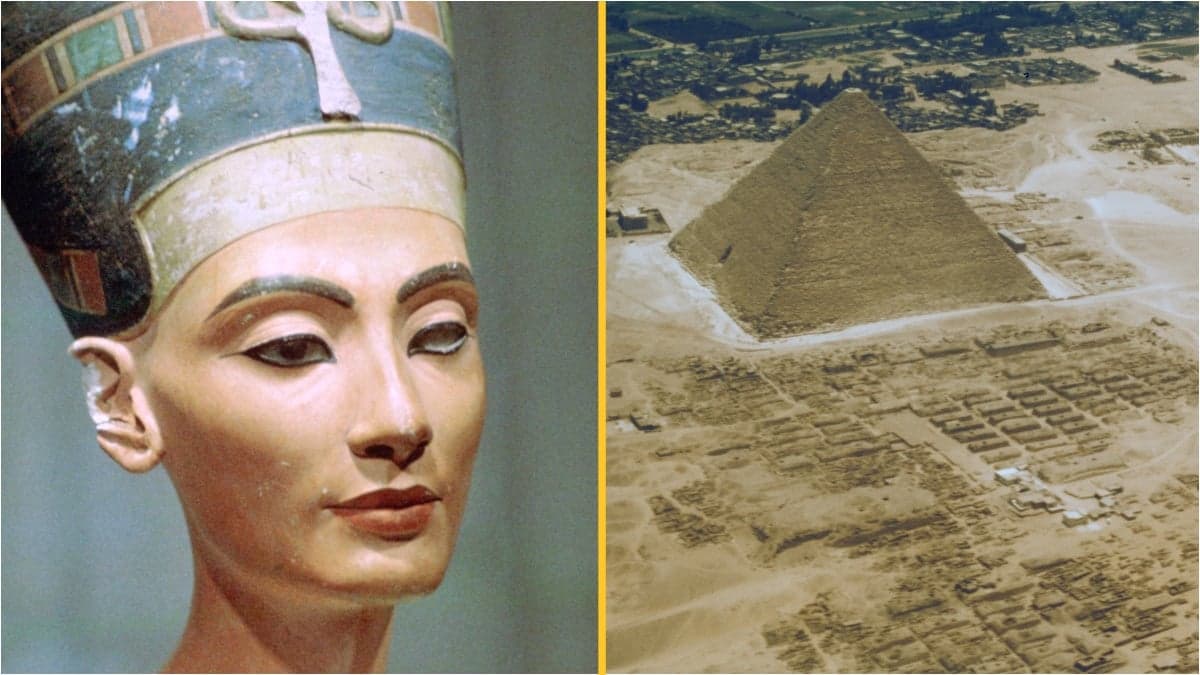
 The bust of Queen Nefertiti is one of the most famous works of Ancient Egypt, with the queen having become a legendary symbol of beauty and femininity (Getty)[/caption]
Explore more on these topics:
The world could end in 25 years, says Oxford scientist
Climate Change

News
News

News

News
Channel Crossing Boat Fire: 173 Migrants Rescued
Channel Crossing Boat Fire: 173 Migrants Rescued More than 170 migrants have been rescued after their boat caught fire in the middle of a Channel crossing on Tuesday morning, with the UK government insisting that “all will be returned” to France. The boat was attempting to reach the UK when its engine caught fire, according […]
News
1 day ago
Scottish exam results 2026: Pass rates rise again
Good news for Scotland’s pupils Scottish exam results 2026 have brought good news for pupils across the country, with pass rates rising at every level. More than 148,000 learners received their Nationals, Highers, Advanced Highers and Skills for Work Awards on Tuesday, as Qualifications Scotland reported a record number of vocational and technical qualifications awarded. […]
News
1 day ago

News
News