
News

Share
Published 16:23 15 Sept 2026 BST
Updated 16:23 15 Sept 2026 BST
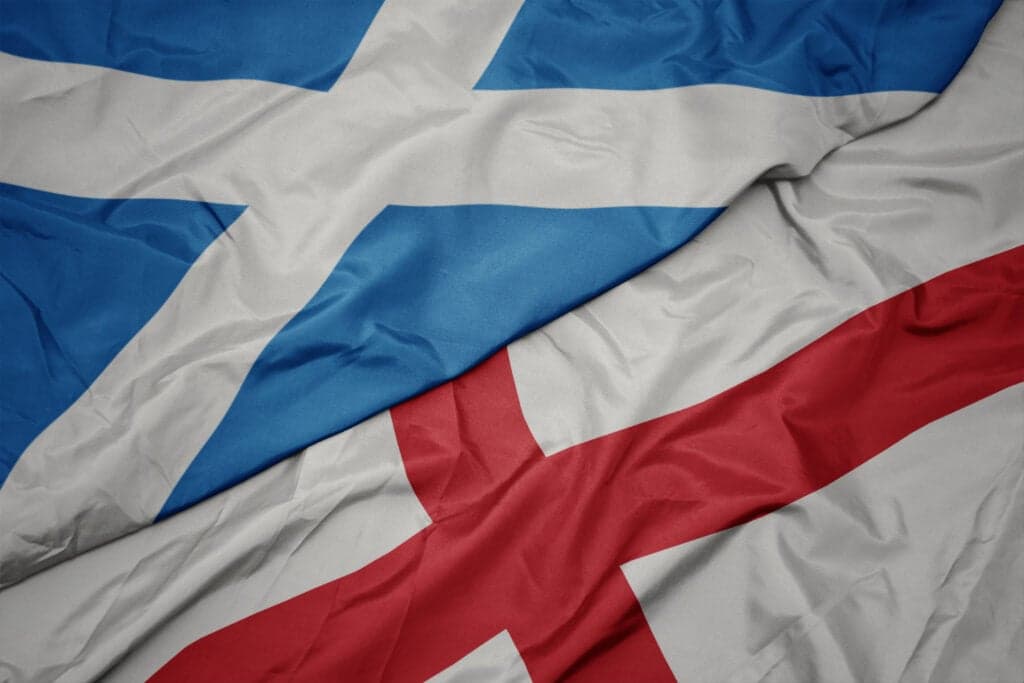
Leaders of Scotland, Wales and Northern Ireland signed an agreement of cooperation on Monday (14 September) in Cardiff calling on the “right to self-determination”.
It came following a report from The Telegraph which said that leaders are set to sign a “memorandum of understanding”.
The leaders of the SNP, Plaid Cymru and Sinn Fein also called for the UK government to “prepare for, plan and facilitate constitutional change in each jurisdiction”.
The leaders are also expected to demand referendums in an attempt to get a break up of the United Kingdom underway.
The Telegraph reported that Prime Minister Andy Burnham suggested to MPs that he could entertain another Scottish referendum if there was a "clear consensus" in favour of holding one.
The last Scottish referendum took place almost 12 years ago, on 18 September 2014.
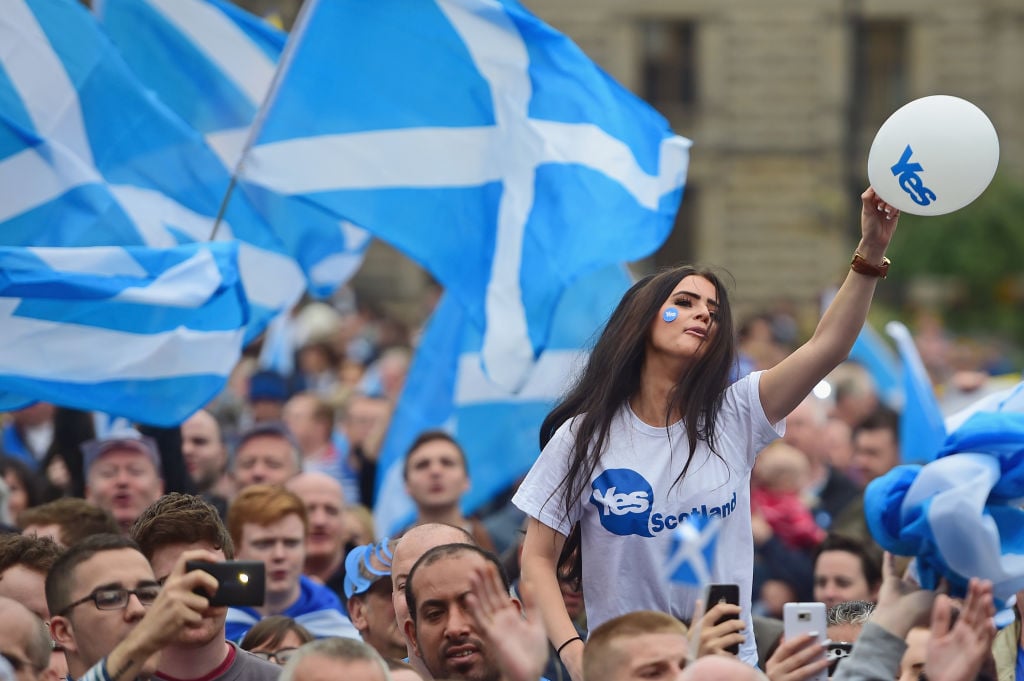
Yes activists gathering in Glasgow in 17 September 2014, prior to going to the polls to decide whether or not Scotland should have independence and break away from the United Kingdom. Credit: Getty Images
This marks a watershed moment for the United Kingdom which has existed in its current state for 104 years.
While Scotland and England have shared a monarch since James I in 1603, the union has been official since 1707 under Queen Anne.
Meanwhile, Wales was legally joined to England between 1535 and 1542, but was previously under English rule since 1283.
For the first time, of three first ministers of all the devolved nations represent pro-independence movements, with John Swinney of the SNP in Scotland, Rhun ap Iorwerth of Plaid Cymru in Wales and Michelle O'Neill of Sinn Féin in Northern Ireland.
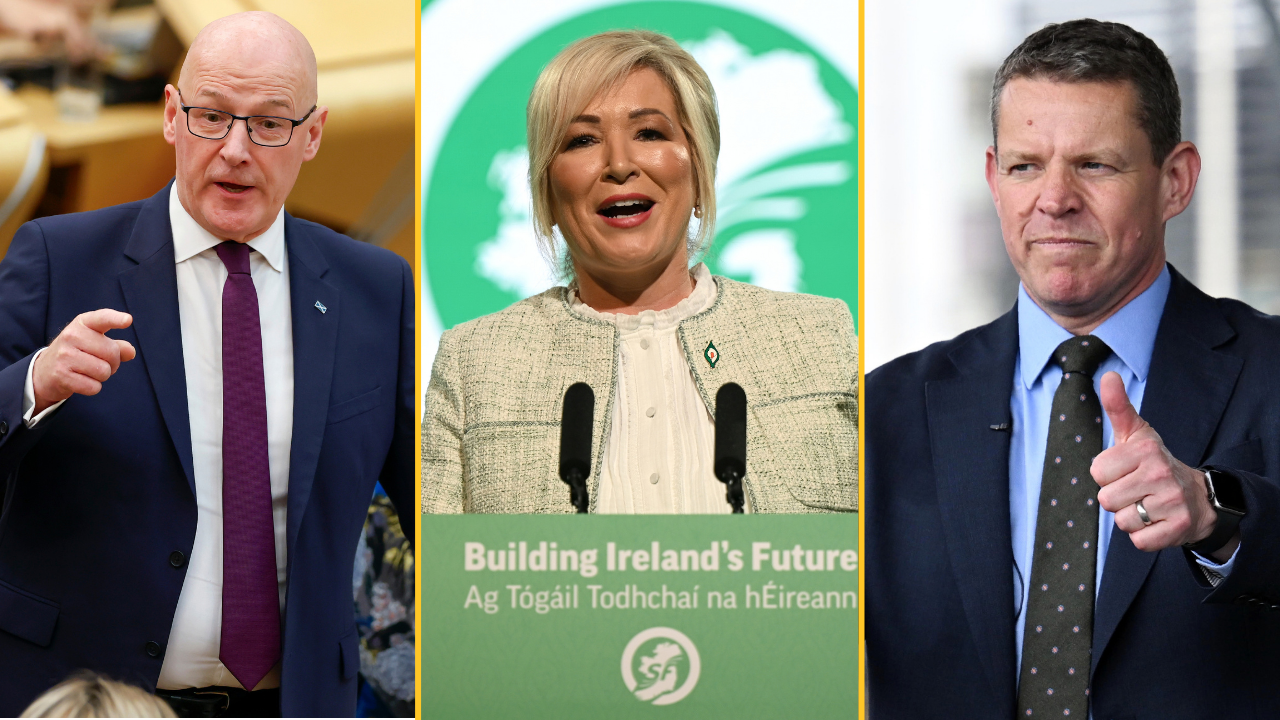
Swinney (left). O'Neill (middle), Ap Iorwerth (right). Image: Getty.
During media interviews about an independent Scotland, a controversial claim was made in 2022 by the SNP’s Westminster leader Ian Blackford regarding pensions.
The Ross, Skye and Lochaber MP, as he spoke to ITV Border, and also on a Scottish independence podcast, suggested that should Scotland become independent, existing state pensions would continue to be paid by the UK Government.
To back up this point, he claimed that the UK government’s chief secretary to the treasury confirmed this in 2014.
“The chief secretary to the treasury made it clear at that point [2014] that the UK retained an obligation to pay pensions to those that had paid national insurance”, Blackford said.
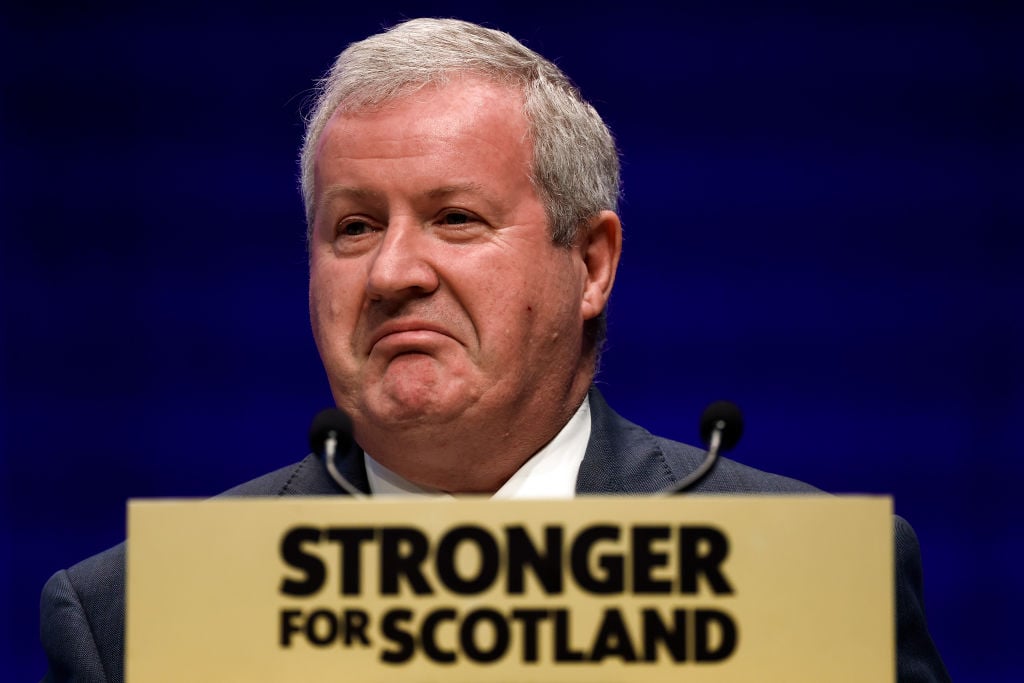
Scottish National Party’s Westminster leader Ian Blackford. Credit: Getty Images
Blackford's claim, however, was found to be false by Ferret Fact Service.
For many years, the question of pensions in an independent Scotland has been part of the constitutional debate.
It was the Better Together campaign during the lead up to the referendum which promoted the idea that Scots pensions would be better protected in the UK.
Meanwhile, those on the independence side argued that pensions would be secure if Scotland was to vote Yes.
Blackford suggested that the UK Government “retained an obligation” to pay state pensions even after Scottish independence, in recent interviews with ITV Border and the Scotland’s Choice podcast.
However, this seems to be a different policy position to that outlined in the Scottish Government’s white paper on independence in 2013.
“Responsibility for the payment of [the UK state] pension will transfer to the Scottish Government”, it stated.
The Scottish Government has stated that it has not taken legal advice on the topic and that the Scottish Government’s position on state pensions in an independent Scotland remains unchanged.
As per the government, future Scottish governments would be responsible for the pensions system in an independent Scotland.
Responsibility for paying for state pensions would rest with the Scottish Government and be funded from the Scottish budget.
The Scottish Government adds that “all accrued state and public service pension rights and entitlements would be honoured and protected, and state and public service pensions would continue to be paid on time and in full.”
It added that “the Scottish Government will publish a paper on pensions in an independent Scotland as part of the Building a New Scotland series in due course.”
Meanwhile, Blackford claimed that UK's obligation had been confirmed by “the chief secretary to the treasury” at the time of the referendum, the position was held by Scottish Liberal Democrat MP Danny Alexander as part of the Conservative-Lib dem coalition government during the 2010-2015 period.
However, according to Ferret Fact Service, no mention of Alexander confirming the UK retained such a responsibility could be found.
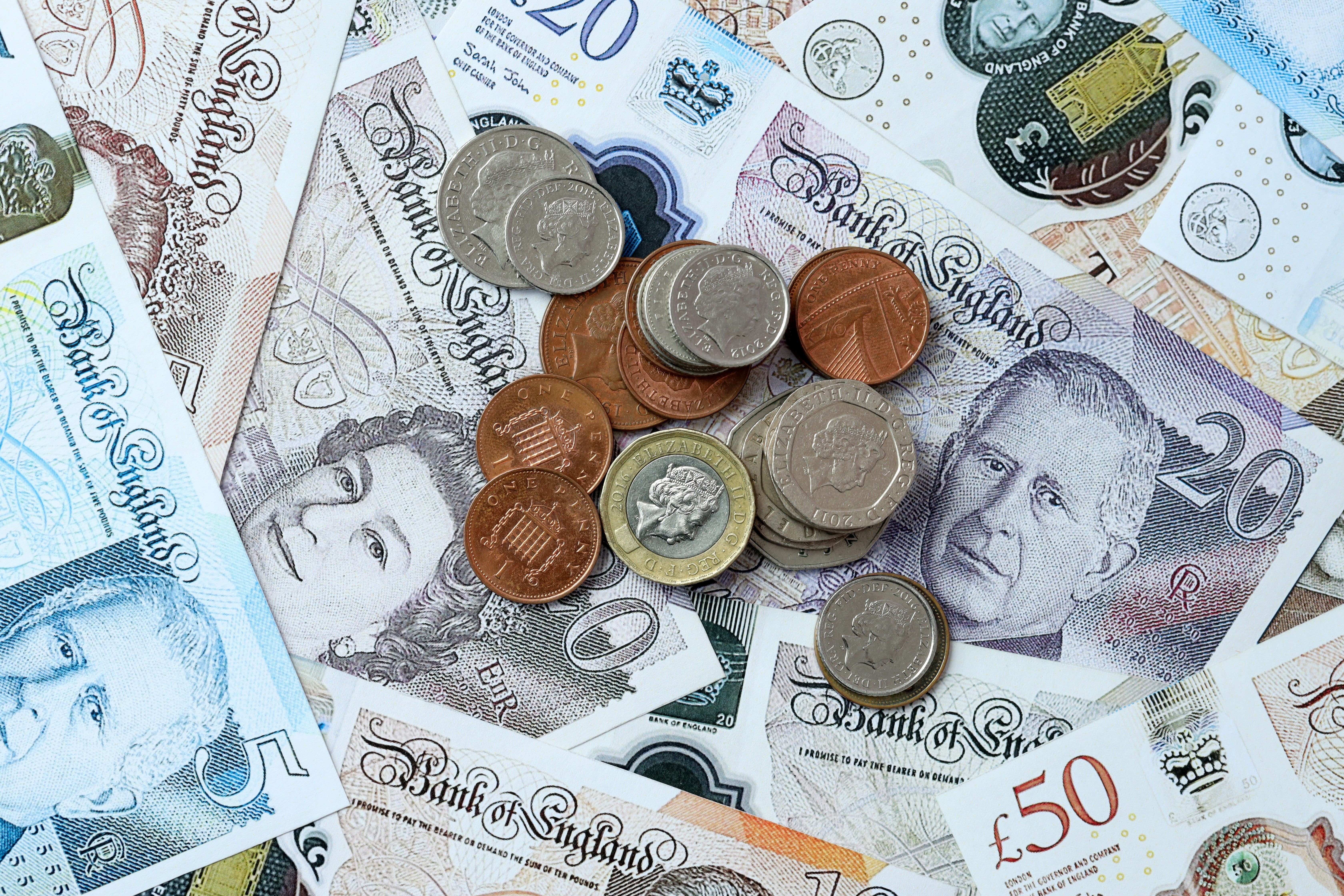
At the time of writing, in the UK everyone who pays National Insurance is entitled to a state pension upon retirement, while the amount you are entitled to depends on your level of contributions.
The money they pay into National Insurance is not a ‘pot’ that is then drawn from when you retire, even though people build up an entitlement through these contributions.
Currently, the state pension is paid through current taxation and borrowing, and the government can change the amount and qualifying factors for pensions.
What would happen is not clear and would be a matter for negotiation between the UK and Scottish governments.
Currently there’s no agreement between the two governments where the responsibility would lie for those who have paid National Insurance contributions while still in the UK.
The Fraser of Allander Institute, following analysis, says that the UK government is likely to argue that independence is an unprecedented change that cannot be compared to “the treatment of individuals under current state pension policy”.
In large part, this is down to the fact that a share of the UK’s tax base would be transferred to Scotland.
Explore more on these topics:
News
News
News

Harry Potter star says private schools should be ‘burnt to the ground’
Johnny Flynn says therapy helped him understand his boarding school trauma Johnny Flynn has spoken candidly about the lasting impact of his time at boarding school, describing the experience as traumatic and taking a strong stance against private education. The actor, known for the Channel 4 sitcom Lovesick, previously titled Scrotal Recall, and the 2020 […]
News
just now
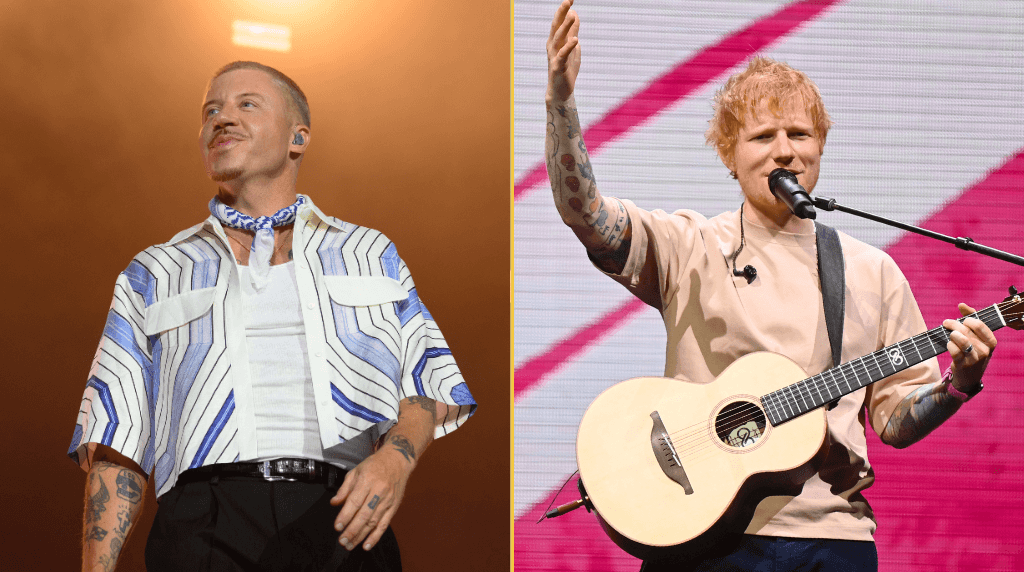
All the stars who have backed Macklemore after being dropped from Ed Sheeran tour for Free Palestine speech
Macklemore has refused to let his tour removal silence him Macklemore has been backed by a number of high-profile celebrities after being removed from Ed Sheeran’s US tour over his pro-Palestinian statements. The rapper, whose real name is Benjamin Haggerty, had been performing as the opening act on Sheeran’s Loop tour. That changed after he […]
News
just now
News
Should Burnham have a seat at the table over Celtic Alliance talks?
News