




News

Share
Published 10:12 29 Sept 2026 BST
Updated 10:12 29 Sept 2026 BST
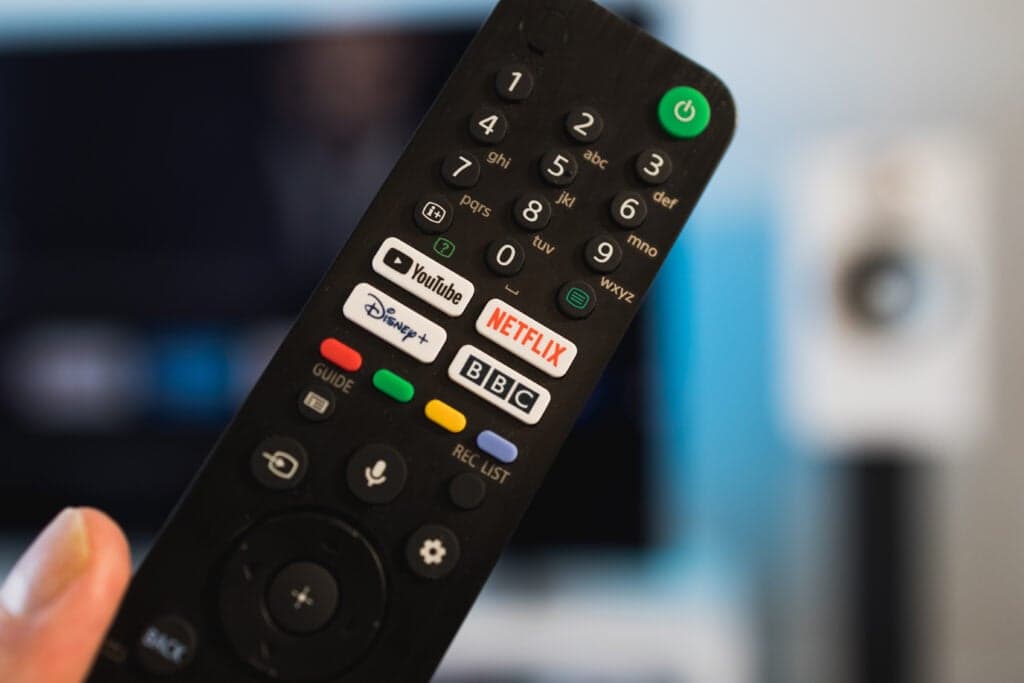
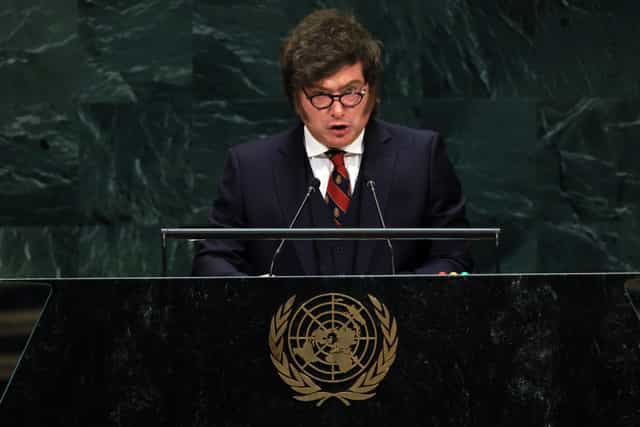
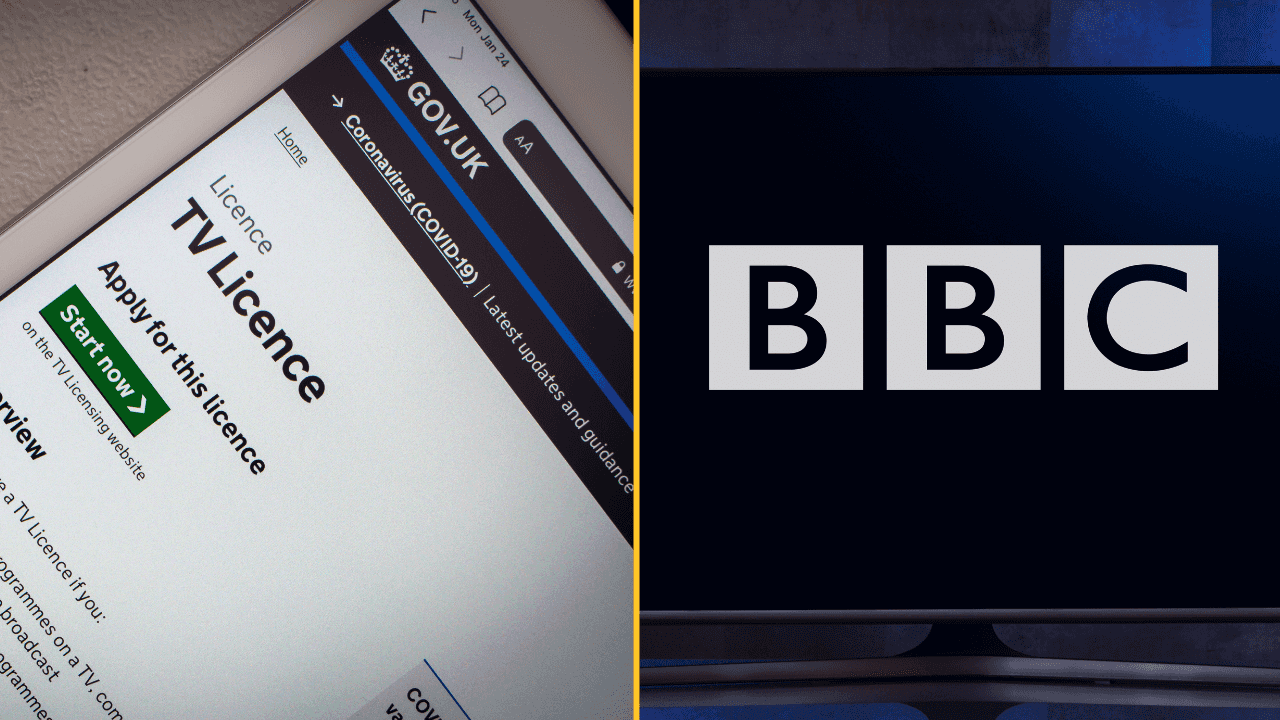
The BBC wants Britons to have a dedicated button for its services on their TV remotes, putting the corporation’s channels and streaming platform just one press away.
The proposal has been put forward in the BBC’s response to the Government’s green paper examining the future of the UK media industry.
The broadcaster argues that public service media needs greater prominence as it competes for viewers with powerful streaming platforms backed by far greater financial resources.
Netflix and YouTube have already secured a place on many remotes through deals with device manufacturers.
Companies can pay to have their own branded buttons added to devices, including Amazon Fire Stick remotes, allowing viewers to open their platforms without having to search through menus.
The BBC says public service broadcasters should be given the same opportunity to make their services immediately accessible. That would cover both traditional linear television and the corporation’s on-demand offerings.
“Remote controls continue to be one of the most popular gateways to content,” the BBC said, pointing to the way international streaming companies negotiate distribution agreements with manufacturers around the world.
The BBC is also looking beyond the living room, arguing that its radio stations should remain easy to access when people are on the road.
As part of its proposals to ministers, the broadcaster has called for radio to have a more prominent place inside cars.
This could mean dedicated controls built into dashboards or steering wheels, giving people a direct way to tune into BBC stations.
The BBC states that keeping its services visible across different devices is important because of the role it believes they play in connecting audiences with British culture and what it describes as “trusted journalism”.
It has warned that finding UK content could become increasingly difficult as international platforms gain more influence over what people are shown and how content is presented to them.
“Without the right framework, it is harder for audiences to find trusted, high-quality content that reflects the UK's cultures and values, particularly as global platforms increasingly control how content is surfaced,” the corporation said.
Explore more on these topics:
News
News
News
News
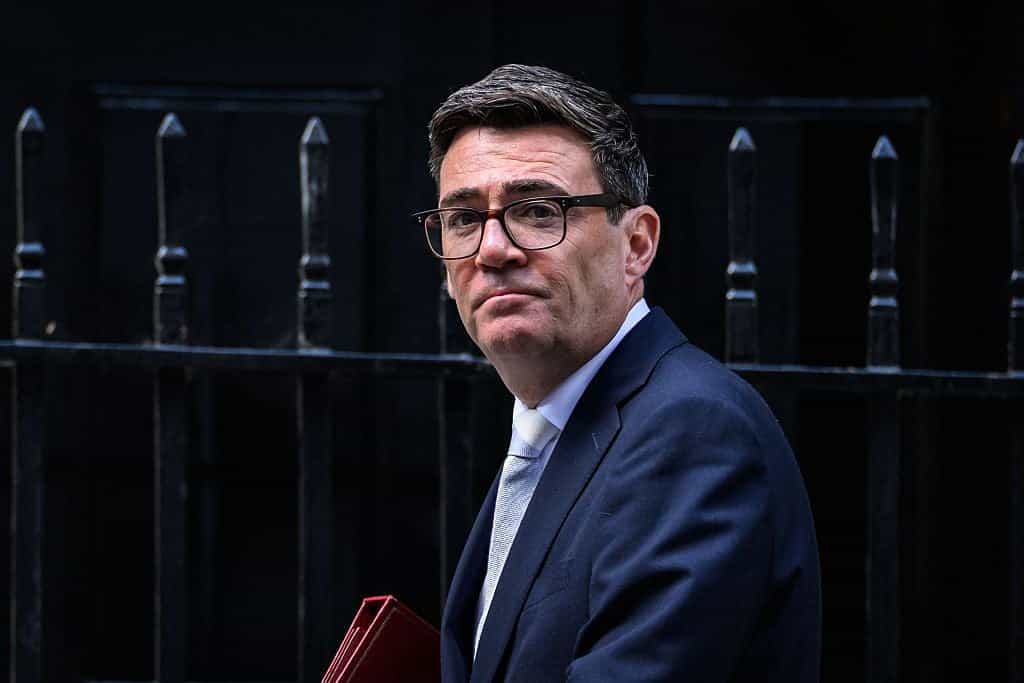
Andy Burnham set to signal huge change to State Pension triple lock
Triple lock faces renewed questions ahead of Labour conference The future of the state pension triple lock is set to come under renewed scrutiny as Andy Burnham prepares to call for a change in the way Britain is governed. Speaking at Labour’s conference in Liverpool, Burnham is expected to argue that the country cannot continue […]
News
just now
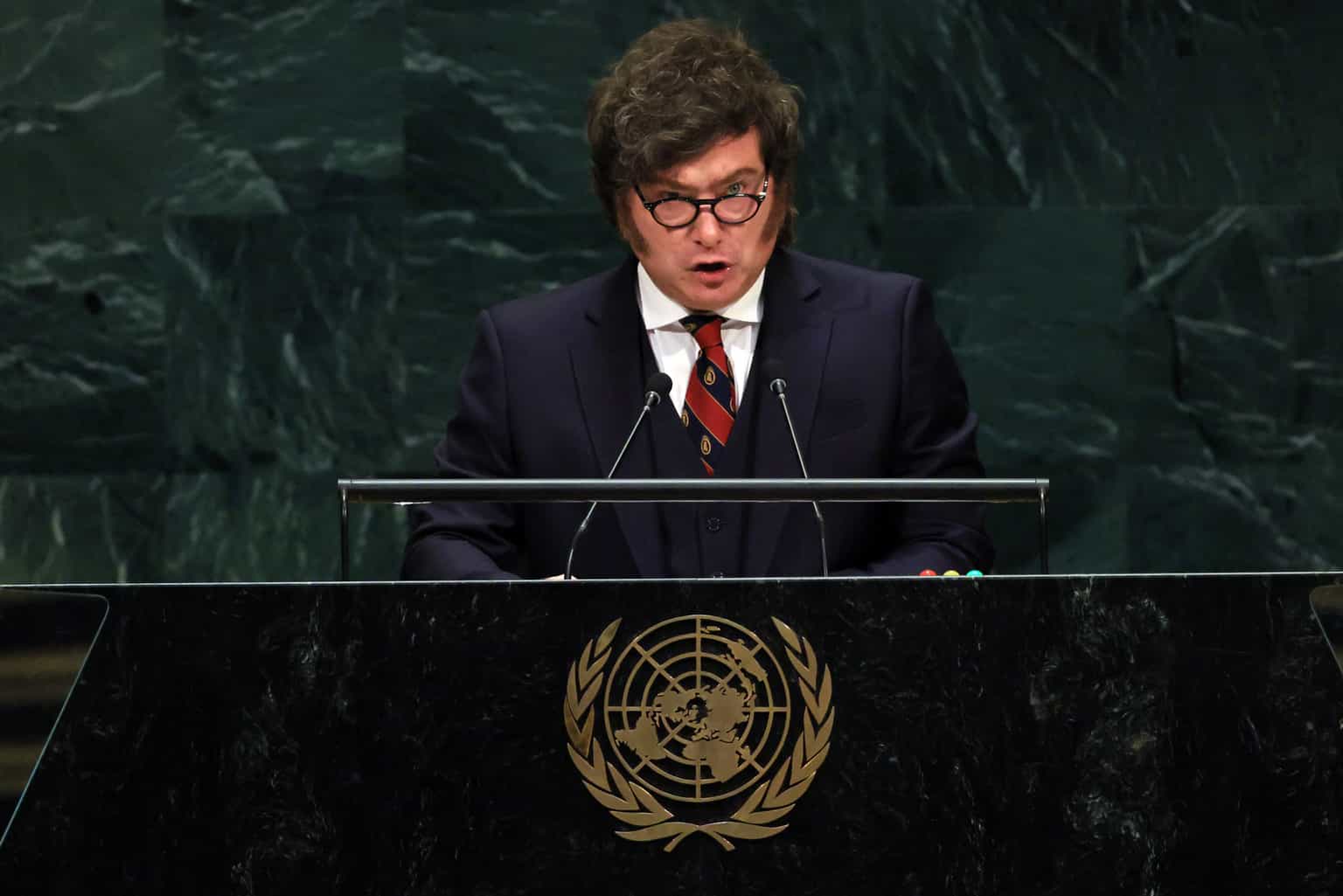
Argentina issues two-week ultimatum to UK over Falkland Islands
Argentina threatens legal action over Falklands oil Javier Milei has given Britain two weeks to halt oil exploration near the Falkland Islands, warning that Argentina could take the dispute to an international court if the project continues. The Argentine president has ordered his Foreign Ministry and legal teams to begin preparing for international arbitration over […]
News
just now
News
Date confirmed for when social media ban for under-16s set to come into force in UK
News