



News

Share
Published 17:51 28 Sept 2026 BST
Updated 17:51 28 Sept 2026 BST
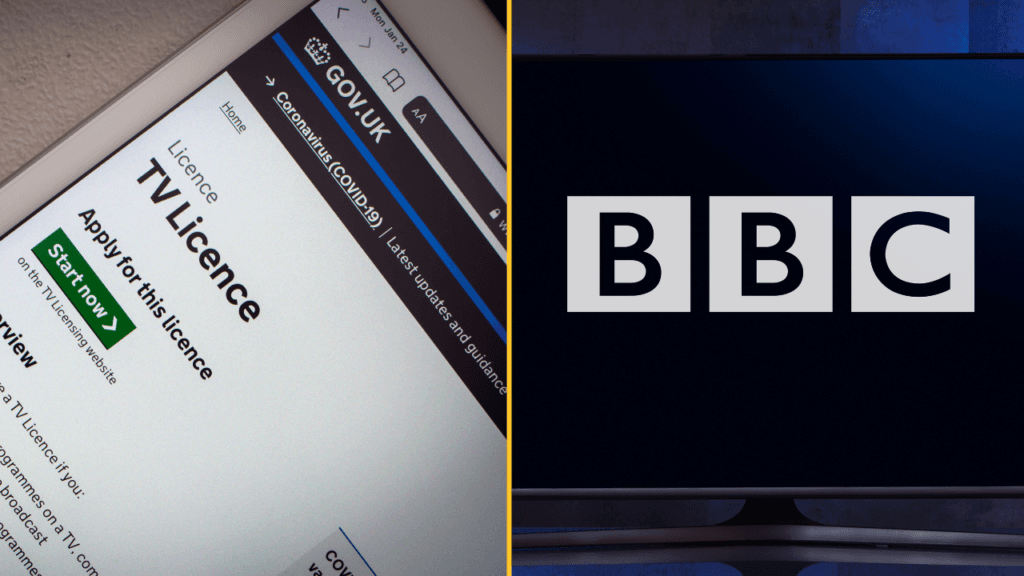
The BBC director general has spoken out about the TV licence fee, following reports that the government is looking at new alternatives.
This follows a report from last week that advisors to Culture Secretary Lisa Nandy have proposed alternatives to the licence fee, which could include internet usage too, as part of the government's ongoing Charter Review into the future of the BBC.
Speaking on the Sunday With Laura Kuenssberg programme, BBC director general Matt Brittin said that his ambition was to spread BBC content across more platforms, particularly online ones such as Netflix and YouTube.
Previously Brittin has argued that the BBC is "held back" by the licence fee, which is "no longer fit for purpose", suggesting that a remodelled licence should reflect modern viewing habits.
He said: "What we need to look at is the current model. You pay the licence fee if you watch live TV or you're on iPlayer.
"I'd like to see reform that allows us to be where audiences are. I think BBC content should be on Netflix, on YouTube, on TikTok, on Spotify, and Instagram, and everywhere where audiences are. Particularly news, actually, which I think is part of disinfecting misinformation. It's our job to be everywhere."
The idea of a household levy is one that has been previously floated.
Brittin pointed out that multiple countries already employ a household levy as he said: "There was a report just this week saying that if you move to something which every household pays, you can charge everyone less.
"Collections costs are lower, there's limited evasion, but we're living at a time of really difficult costs of living for everyone, and that's quite a big shift from where we are today."
Asked about why everyone should contribute to the proposed charge regardless of usage, Brittin said: "Ninety four per cent of households every month are consuming BBC content. That's incredible, but yet only 80% are paying.
"So there's a fairness issue there in terms of how we fund the BBC and I think that the principle is if we want a BBC that's for everyone, then it needs to be funded by everyone, and how you get that modernisation is critical."
However, Brittin stressed that this is just one idea, and not necessarily the right option.
He said: "What we're advocating is reform that allows us to offer the services universally and that is modernised towards where people are watching today."
Currently, households pay £180-a-year to enjoy live television with around 85% of this money going straight to the BBC.
The proposal of a household levy comes via the Social Market Foundation think tank, which has been exploring alternatives to the current way of funding the BBC.
This change would mean that every home with an internet connection would be automatically funding the BBC, regardless of whether residents watch live TV or not.
Of course, this is but one of the proposals suggested as part of the government's ongoing Charter Review into the future of the BBC.
These new funding alternatives ideas come as the TV licence fee continues to see year-on-year decreases in the number of people paying for it.
Evasion has also gone up from 7% in 2019 to 12% last year.
The Sun reports that the "Home Internet Levy" has already been discussed with advisers to Culture Secretary Lisa Nandy.
This proposal would technically work out cheaper for those who already pay the licence by £48, although, for those who don't pay it, this would be a sizeable addition to household bills.
Another option being considered is the smaller "News and Culture Levy" which would see £2.30 added on top of the existing licence fee to plug the current drop in revenue.
A Department for Digital, Culture, Media & Sportspokesperson said: “The BBC must be funded by a model that is sustainable and fair to all those that are paying it.
“Through Charter Review, we are looking at a range of options, including how the BBC can operate more efficiently, generate more commercial revenue, and how the licence fee could be reformed.”
Explore more on these topics:
News
News
News
News
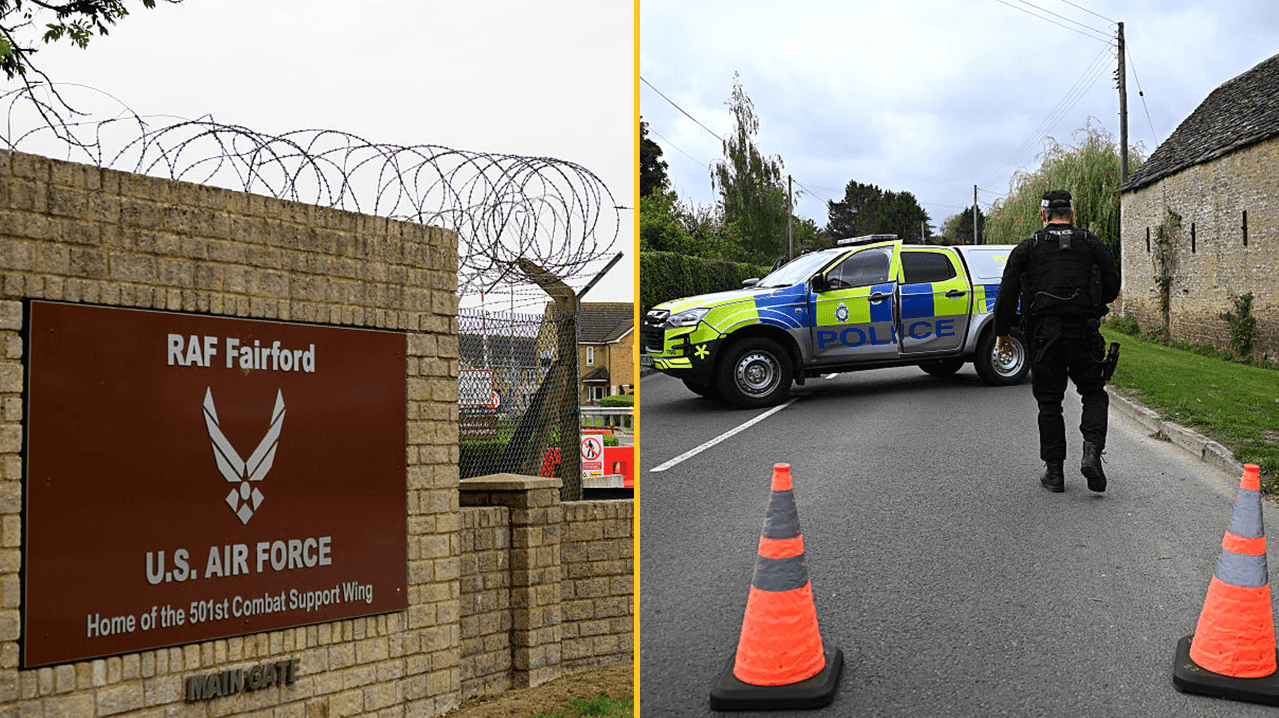
Police say RAF Fairford terror suspects are all British men in 20s
BREAKING Counter terrorism police have confirmed the nationalities of the five men arrested in the RAF Fairford incident on Sunday. According to the police, the five men arrested are all British. Counter terrorism police have confirmed that the men arrested are all from London and aged between 23 and 25. The group were arrested near […]
News
3h
Government confirms Avanti West Coast will be nationalised within months
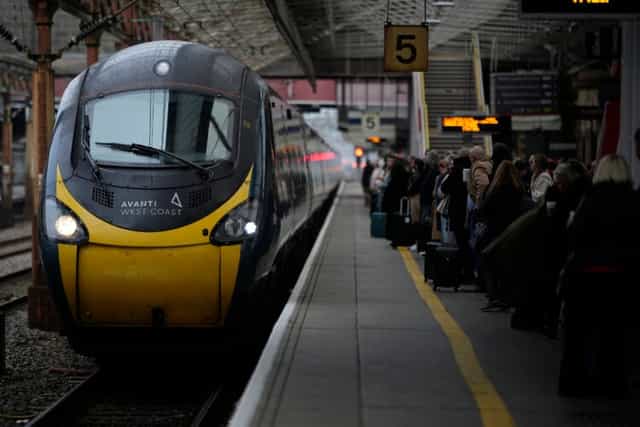
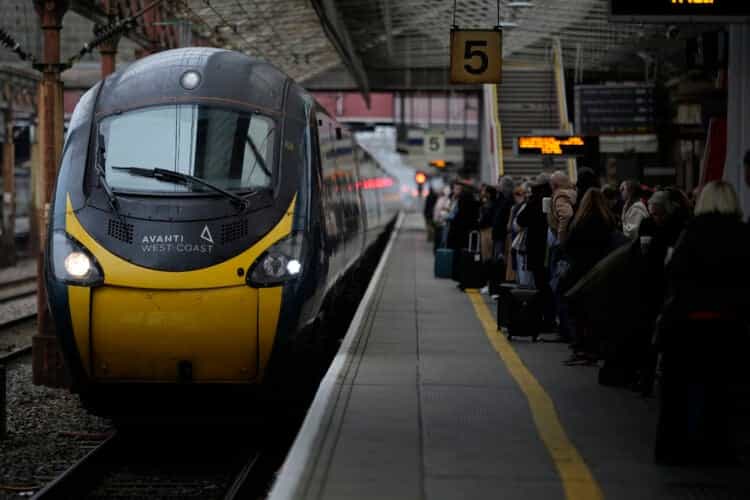
Andy Burnham said the nationalisation of Avanti would mean “passengers, not shareholders, will come first.” The government has announced Avanti West Coast will be nationalised in March next year. On Sunday, transport secretary Heidi Alexander confirmed Avanti would be nationalised on 7 March 2026, as part of the government’s manifesto pledge to bring rail services […]
News
4h

News
Everything we know as counterterrorism police investigate major incident near RAF base
News