







News

Share
Published 13:01 20 Jun 2021 BST
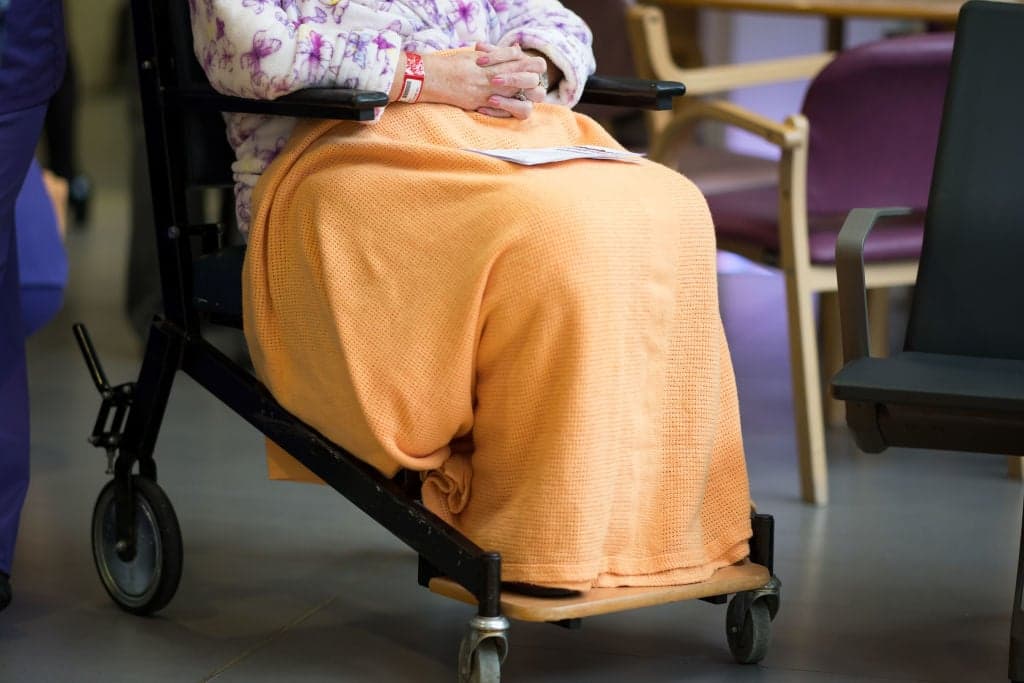
A cross-party steering group of MSPs, led by Scottish Lib Dem Liam McArthur, have outlined their support of the bill in an open letter. The bill will be lodged at Holyrood next week with a consultation on its contents is expected to take place sometime in the autumn.
https://twitter.com/Liam4Orkney/status/1406505955718795264?s=20 Understandably, the proposed bill is one that always causes controversy, with many arguing that the legislation would undermine palliative care and that the risks are too high - claiming it would put pressure on vulnerable patients.Despite McArthur assuring that the bill contains a number of safeguards - including several criteria for qualification for assisted dying such as requiring not just a terminal illness but a certificate of mental competency - others a less convinced.
Michael Veitch, a parliamentary officer at Care for Scotland, suggests there can be "no adequate safeguards" and that terminal prognoses are "fraught with uncertainty" and, as a result, "will affect every person living with a terminal illness, fundamentally alter the doctor-patient relationship, devalue disabled people's lives, and undermine wide efforts to prevent suicide."
The subject has always remained a flashpoint as most of those who are unfortunate to experience a loved one deteriorating from a terminal illness just want to end their pain and suffering, as well preserve their memory untouched by a difficult end to life.
On the other hand, beyond obvious religious factors and current legal obstacles, many people do not believe the NHS and public healthcare should be allowed to facilitate someone taking their own life. Ally Thomson, director of Dignity in Dying Scotland, has said that it is the blanket ban of assisted dying that is most problematic. Pointing to places like the USA, Australia and New Zealand where it is legal in some parts, she said: "The evidence and research from those places shows that this is a safe choice, a compassionate choice, it is not in any way an alternative to palliative care".Explore more on these topics:

News
News

News

News
Here’s everything we know as rumours circulate that Kim Jong-un ‘has died’
Unconfirmed rumours have spread around the world suggesting that North Korean leader Kim Jong-un may have died after suffering a brain haemorrhage. Rumours have circulated on social media claiming that North Korean leader Kim Jong-un may have died after reportedly suffering a brain haemorrhage and falling into a coma. However, the claims remain unverified. Much […]
News
9h
Priest dies after massive crucifix falls onto him during livestreamed mass
There were gasps and screams inside the church A priest in Ecuador has died following fall of a massive crucifix onto his head, as the mass was being livestreamed. The large wooden cross fell onto Father Sánchez Molinari, 53, while he was giving a sermon inside the church. The incident, in which Molinari was crushed […]
News
11h

News
Brits are apologising for their dodgy Wi-Fi almost twice a week, new research reveals
News