





News

Share
Published 14:36 17 Jul 2026 BST
Updated 14:36 17 Jul 2026 BST
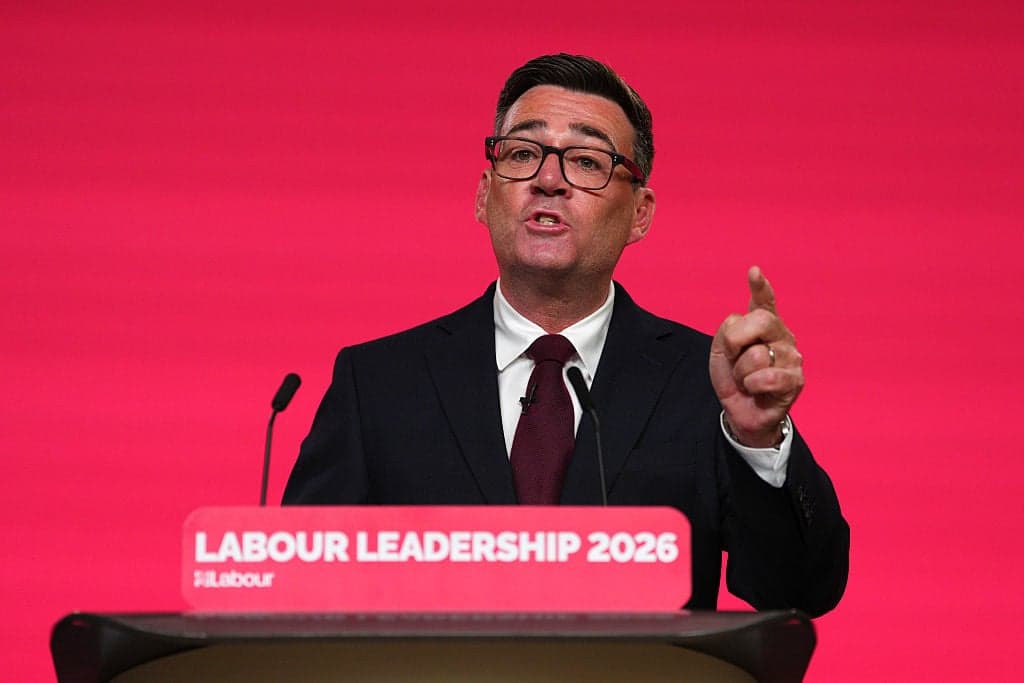
After winning the support of the party’s MPs, Andy Burnham on Friday took over from Keir Starmer as Labour leader.
What this means is that he we will become the UK’s prime minister very soon, and the seventh in the last 10 years.
Burnham became leader of Labour on Friday (17 July) but it’s three days later, on Monday (July 20) when he becomes prime minister.
On Monday, the process will start with Starmer meeting King Charles to formally offer his resignation as prime minister.
Then, soon afterwards the King will meet Burnham and he will ask him to form a government.
Burnham will officially become the UK’s prime minister after he has accepted.
While both meetings usually happen at Buckingham Palace, Burnham will then head to Downing Street, where he is likely to give a speech outside No 10.
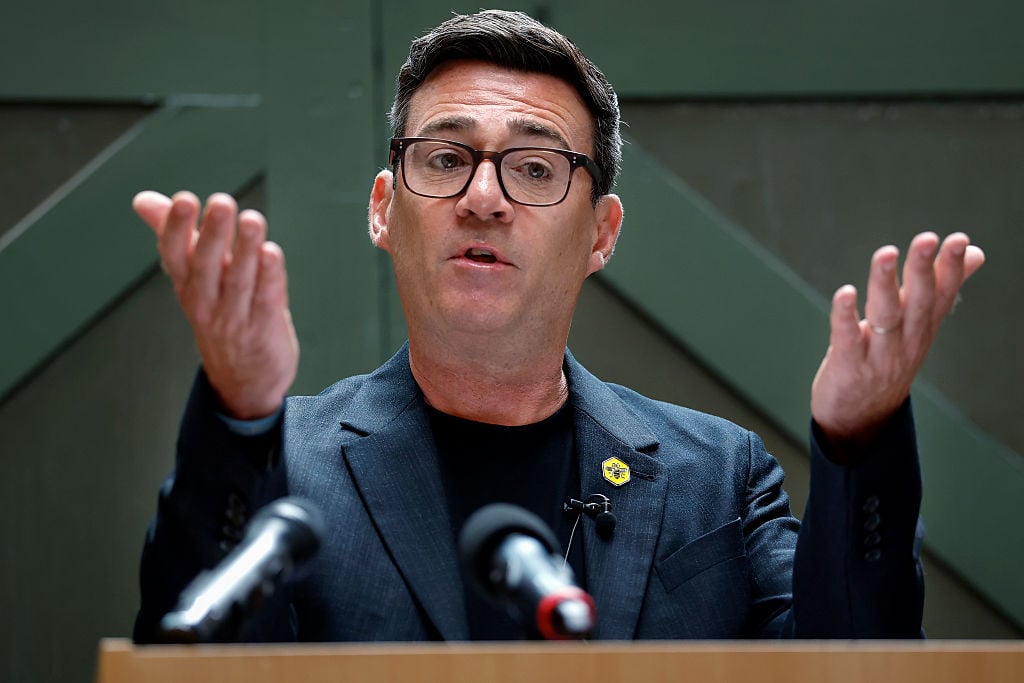
While Keir Starmer won a landslide general election victory two years ago, he started losing public support within weeks of arriving in Downing Street after a series of policy missteps and U-turns.
For many MPs in the Labour Party, the final straw was when right wing party Reform UK swept the board at local elections in May.
This left many of them fearing Reform leader Nigel Farage would win the next general election.
Burnham, who returned to Parliament a month ago in a by-election with his victory over the Reform candidate, convinced many Labour MPs he was the right candidate to replace Starmer
He had long had ambitions to be Labour leader, but could only challenge for the top job as a sitting MP.
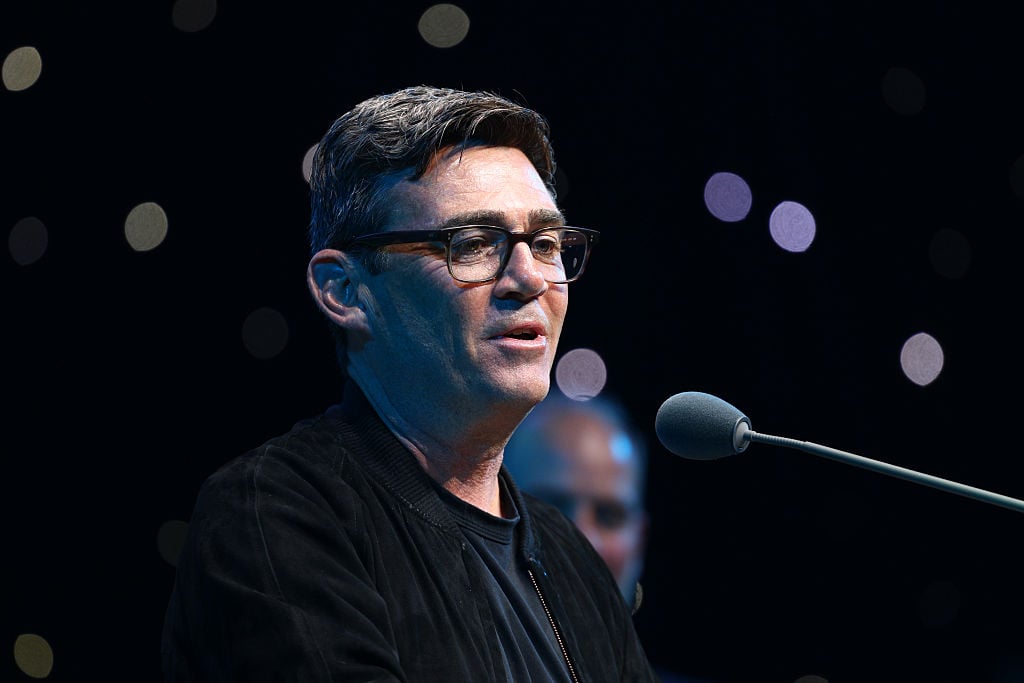
Unlike countries like the US or France, in the UK prime ministers are not directly elected.
Instead, they are the leaders of the party with the most MPs in the House of Commons.
What this means, as you were probably aware by now, is that the UK can change prime ministers without an election.
In recent years this has happened with increasing frequency.
And even if Burnham could call a general election when he takes over as prime minister, he seems to have ruled that out.
Burnham has set out a number of policy ideas during his very recent by-election campaign, and with him as the next prime minister you may notice differences when it comes to your bank account, among other things.
Explore more on these topics:

News
News
News

News
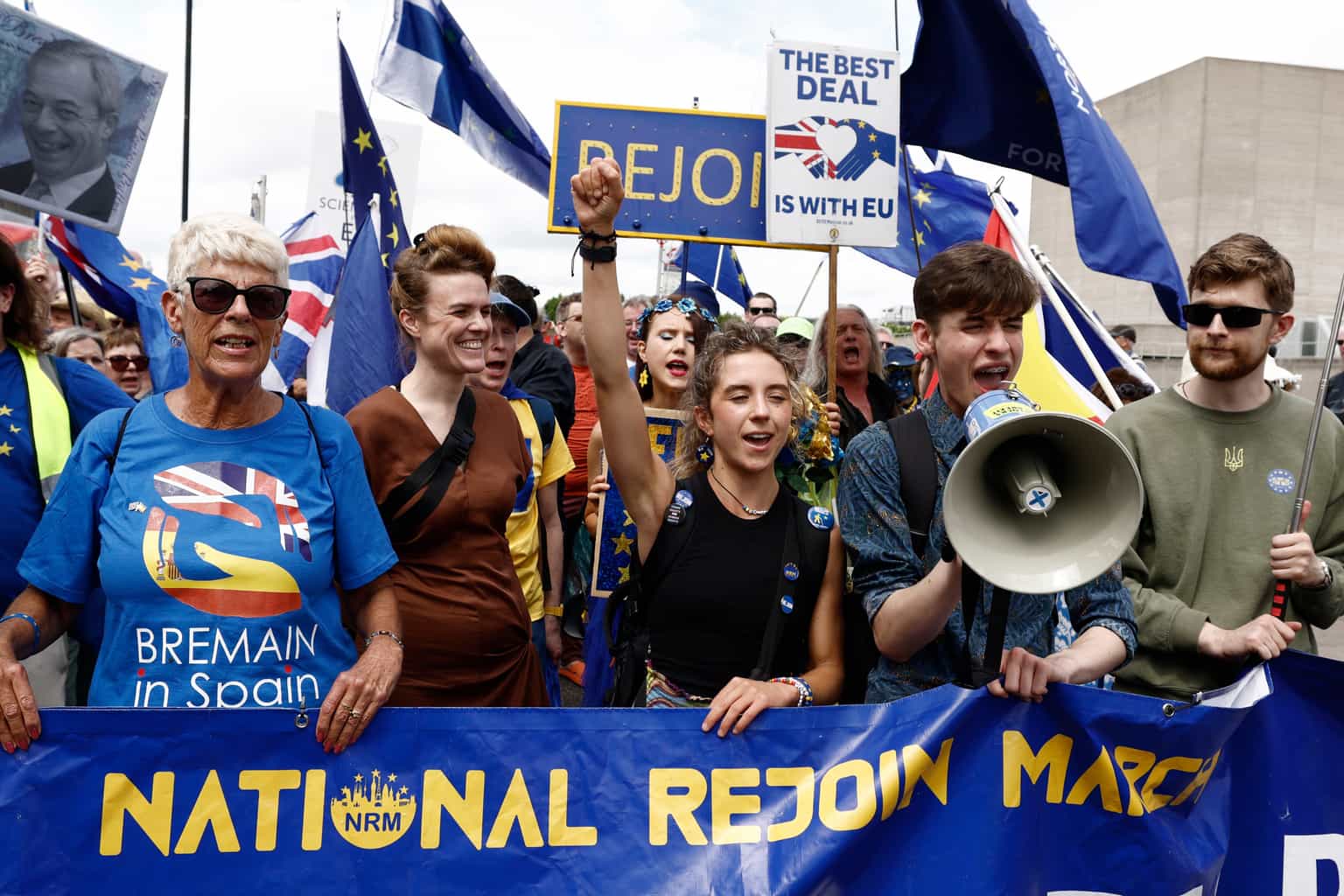
Rejoining EU could boost UK economy by £150bn – Goldman Sachs
Analysts from the bank reckon a ‘Breturn’ would boost the UK economy by 2-5% by the start of the next decade. Goldman Sachs has said rejoining the European Union could boost the UK economy by as much as £150 billion. In a note to clients, the Wall Street bank voiced its support for Andy Burnham’s […]
News
1 day ago
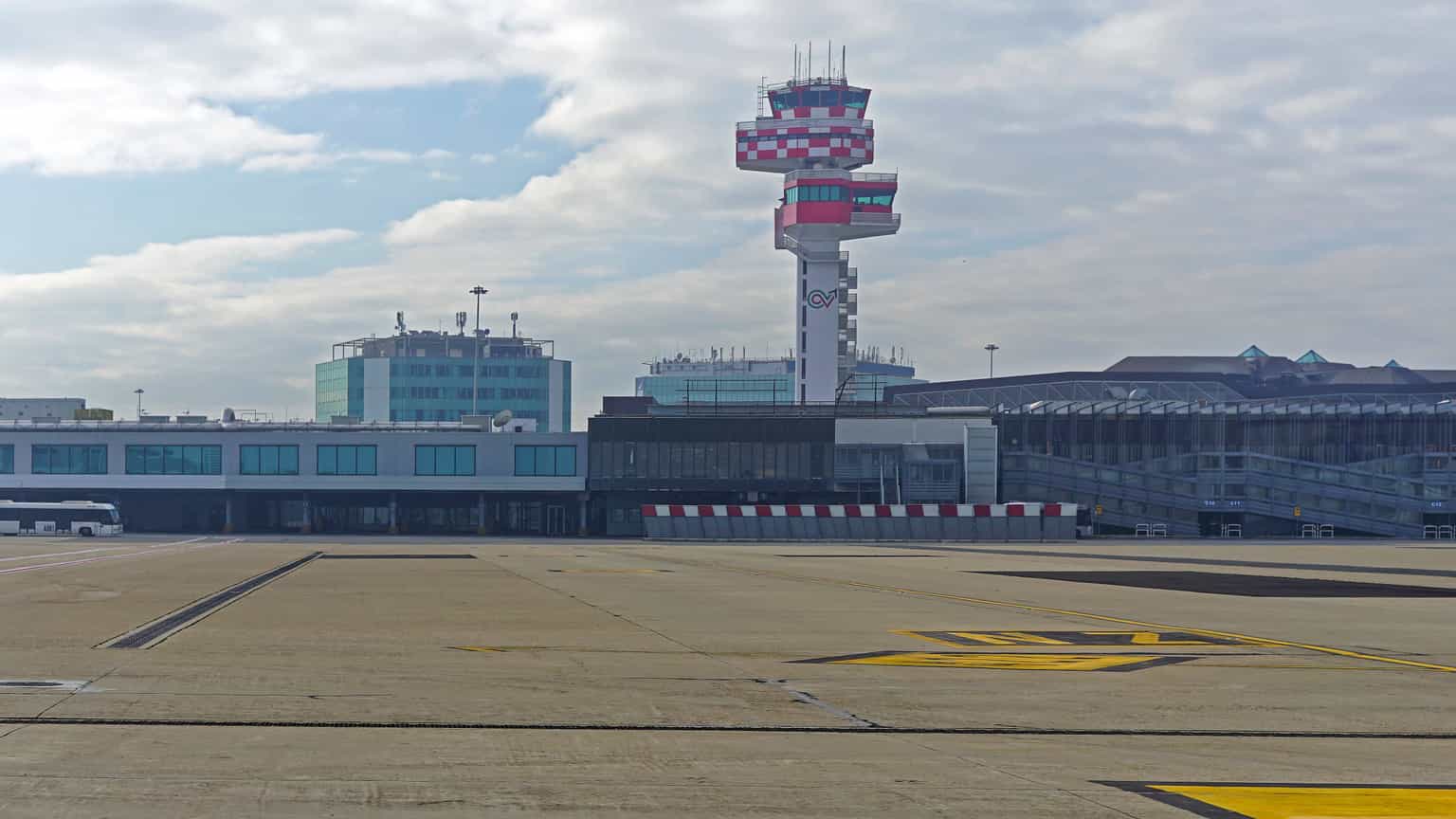
Travel chaos across Italian airports after air traffic control failure
Air traffic management capacity has been slashed in half Travel chaos has struck Italy’s major airports after an air traffic control failure left capacity halved on Friday. Hundreds of flights across Italy have been delayed and over 100 cancelled due to “anomalies” with air traffic control (ATC) services. The Italian air navigation service provider, ENAV, […]
News
1 day ago
News
Abu Dhabi Royal was found passed out on street in London after ‘cocaine binge’
News