




News

Share
Published 16:27 3 Jun 2026 BST
Updated 16:27 3 Jun 2026 BST
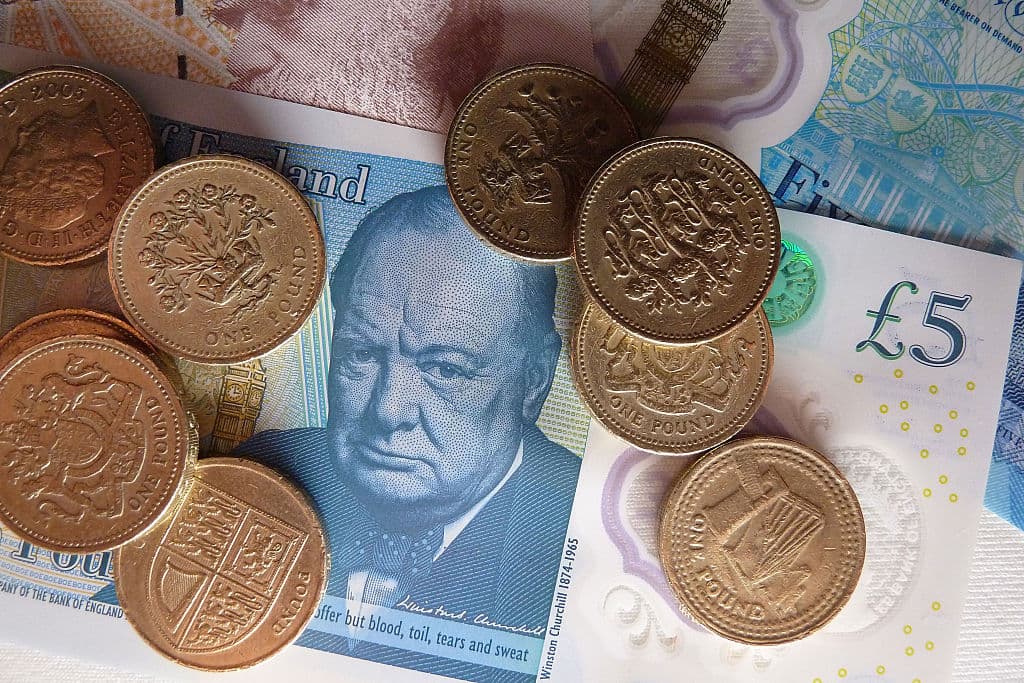
The public can have their say on which creatures feature on future banknotes, as eighteen animals, birds and insects have been shortlisted to appear.
On the next series of Bank of England notes, the wildlife beauty contest gives the colourful kingfisher and common frog an equal chance of a place.
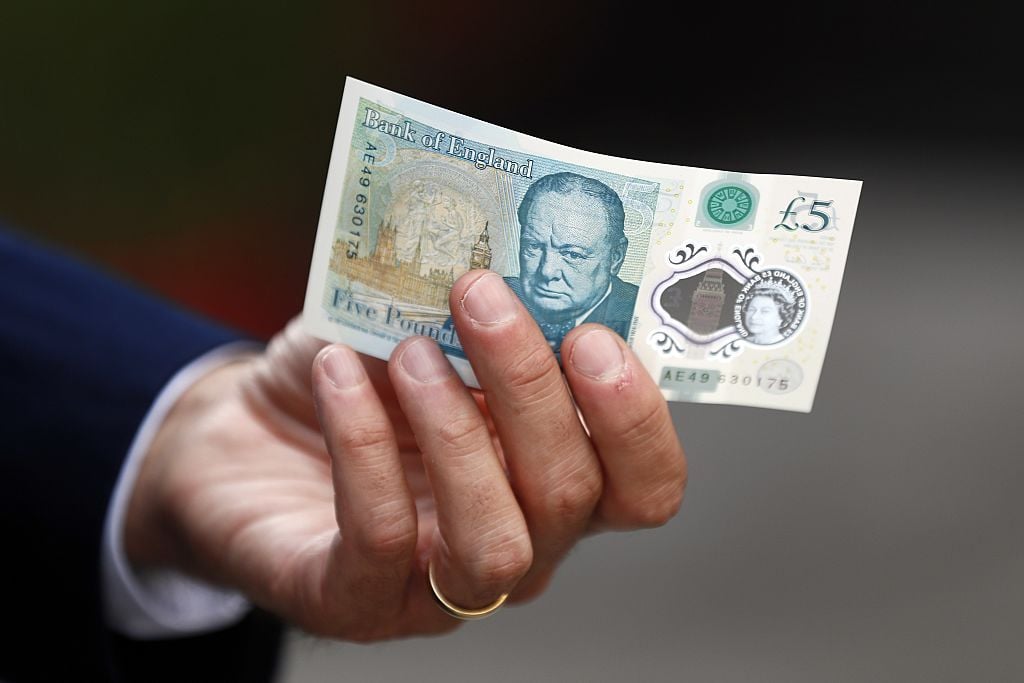
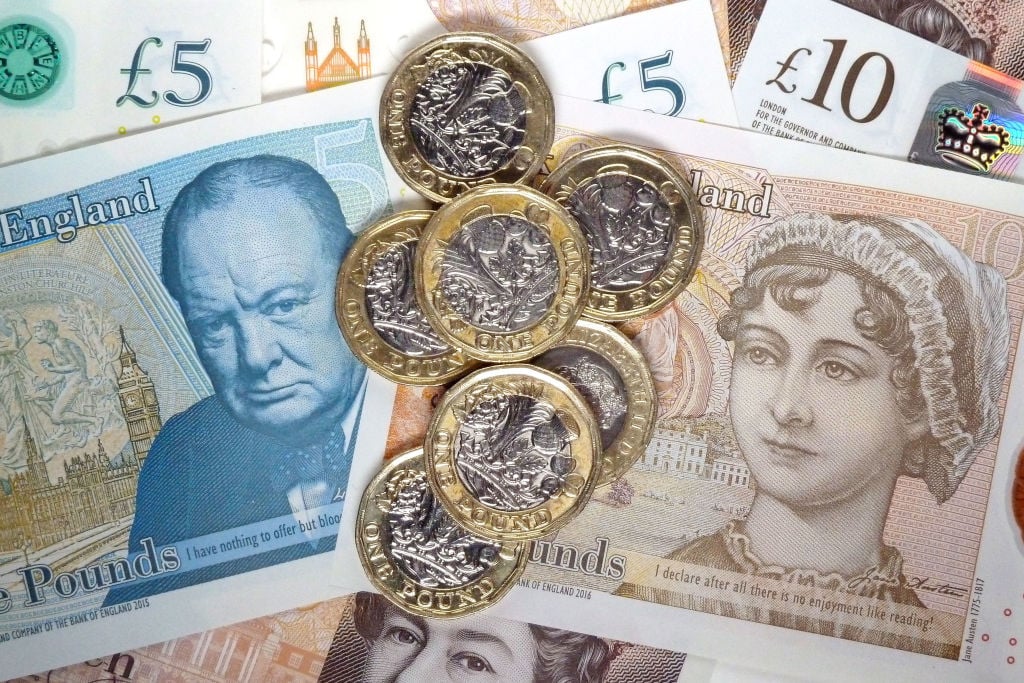
Earlier this year, the replacement of historical characters, particularly Sir Winston Churchill, with British wildlife sent political leaders into a frenzy.
However, now people have a month to offer their views about which species of wildlife should be honoured on the £5, £10, £20 and £50 notes.
One important thing to know is that household pets are excluded from the shortlist which was chosen by a panel of wildlife experts.
From the shortlist, people can vote for up to six of their favourites.
“I very much hope the public will enjoy engaging in our consultation to choose the animals to feature on our next series of banknotes”, said Victoria Cleland, the Bank's chief cashier, whose signature appears on banknotes.
“The shortlisted animals demonstrate the rich variety of wildlife we have to celebrate in the UK.”
As the new banknotes will each feature one creature, the public will be able to select up to two of their favourites from each of three categories on the shortlist, prior to the the deadline of the end of 3 July.
The mammals are: the bottlenose dolphin, the brown hare, the European hedgehog, the grey seal, the pine marten and the red fox.
The second category of birds feature: the Atlantic puffin, the barn owl, the common kingfisher, the Eurasian curlew, the great spotted woodpecker, and the white-tailed eagle.
The final section of amphibians, insects and fish, has: the Atlantic salmon, the basking shark, the buff-tailed bumblebee, the common frog, the Emperor dragonfly, and the marsh fritillary butterfly.
The contenders were chosen by a panel of experts which is made up of wildlife filmmakers and presenters Gordon Buchanan, Miranda Krestovnikoff and Nadeem Perera, alongside Ulster Wildlife's Katy Bell, and academics Steve Ormerod and Dawn Scott.
It will be Bank of England governor Andrew Bailey, however, who makes the final decision, not necessarily choosing the four animals that receive the highest number of public responses.
Explore more on these topics:
News

News
News
News
The worst places to live in the UK if you’re young and unemployed
Almost one million young people remain outside work, education or training The number of job opportunities available to young people varies dramatically across the UK, with new research revealing that some areas have far fewer suitable vacancies than others. A study by the Institute for Public Policy Research (IPPR) found that the gap is particularly […]
News
1 day ago
UK council confirms plan to hike council tax by ‘outrageous’ 94%
It would be the highest council tax hike in English history A UK borough’s council has confirmed that it is has plans to increase council tax by 94%, the highest council tax hike in English history, as per The Times. The council said that the increase would be necessary unless the government considered cuts to […]
News
1 day ago

News
UK city street evacuated after bomb squad deployed
News