






Lifestyle

Share
Published 20:53 24 Apr 2016 BST

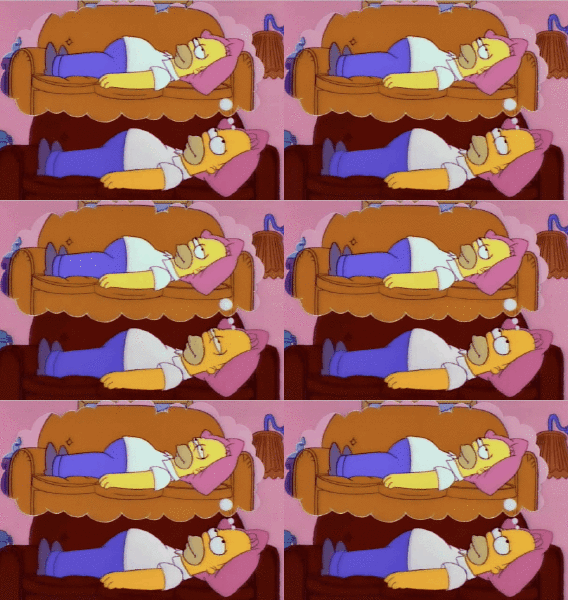 Sleep scientists call it the First-Night-Effect (FNE), and it has affected humans for years, but it was never fully understood before now.
The study, which can be read here, found that a person's brain had asymmetrical patterns of sleep activity, with one half of the brain remaining active, although not fully alert, and reactive to outside stimulus. This trait is also present in some animals such as dolphins and whales who are vulnerable when asleep and need to remain alert.
The scientists are hopeful that they can discover a way to shut off this trait now that they know more about it, meaning those who travel regularly for work or pleasure might start getting a better night's kip.
Sleep scientists call it the First-Night-Effect (FNE), and it has affected humans for years, but it was never fully understood before now.
The study, which can be read here, found that a person's brain had asymmetrical patterns of sleep activity, with one half of the brain remaining active, although not fully alert, and reactive to outside stimulus. This trait is also present in some animals such as dolphins and whales who are vulnerable when asleep and need to remain alert.
The scientists are hopeful that they can discover a way to shut off this trait now that they know more about it, meaning those who travel regularly for work or pleasure might start getting a better night's kip.
Lifestyle
Lifestyle
Lifestyle

Lifestyle
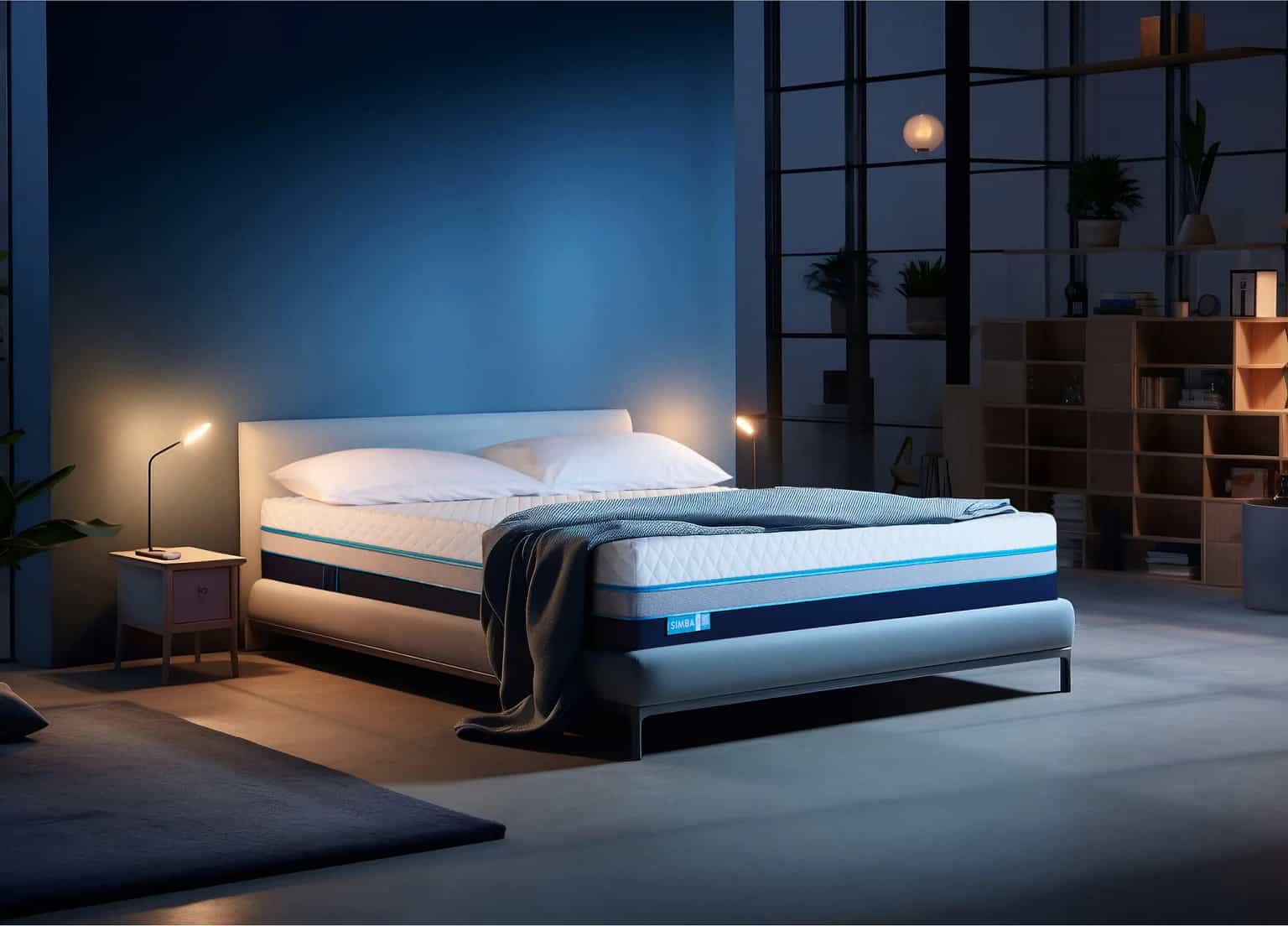
New mattress designed for sleeping through heatwaves is cheaper than you think
The cooling technology that could save your summer sleep Getting to sleep during a heatwave is no easy task, especially when your bedroom starts feeling more like a sauna than a place to rest. With temperatures rising across the UK, Simba has launched a new, affordable cooling technology aimed at making hot nights a little […]
Lifestyle
1 day ago
Why more dads in England should consider Tom Insurance
Could your family be financially protected for less than you think? Tom Insurance is built with dads in mind If you’re looking for life insurance that is built with dads in mind, then look no further than Tom Insurance. Tom Insurance is on a mission to make life insurance more accessible and simple for fathers […]
Lifestyle
1 day ago
Lifestyle
Fancy winning your dream car for £9.99? Thousands rush to buy Wowcher mystery mega deal
Lifestyle