









Lifestyle

Share
Published 14:26 26 Aug 2026 BST
Updated 14:26 26 Aug 2026 BST
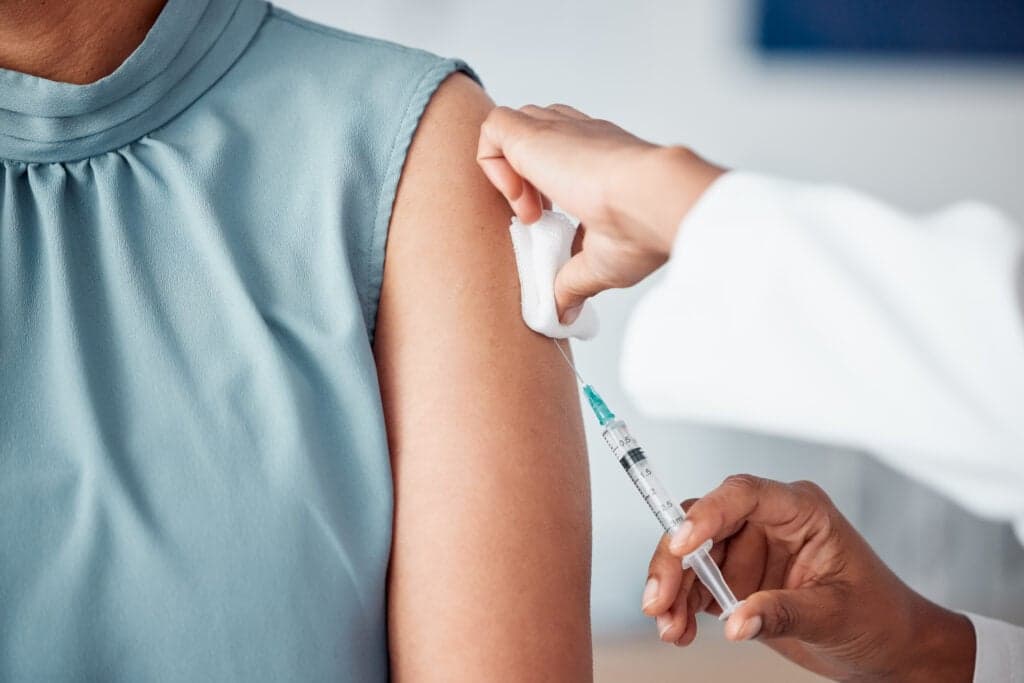
A vaccine already available through the NHS could have a much wider impact than previously thought, with new Oxford University research linking the shingles jab to lower rates of stroke and cardiovascular disease.
Researchers looked at the health records of around 70,000 people in the US over seven years, comparing people who had received the vaccine with those who had not. The vaccinated group went longer before experiencing a number of serious heart-related conditions, including stroke, heart failure and ischaemic heart disease.
Those who had the jab remained stroke-free for 12% longer, while they went 9% longer without cardiovascular disease, 10% longer without ischaemic heart disease and 12% longer without heart failure. If those results were reflected across larger populations, the researchers suggest the vaccine could potentially prevent tens of thousands of deaths.
Shingles develops when the virus that causes chickenpox becomes active again after remaining dormant in the body. Alongside the rash, it can leave people with severe nerve pain that lasts for months or even years.
The findings, published in Nature Medicine, follow previous research connecting Shingrix with a delayed onset of dementia, the Mirror reported.
At present, Shingrix is offered on the NHS to people aged between 65 and 79, although the latest findings have raised questions about whether that age range could eventually be expanded.
Dr Maxime Taquet, the Oxford associate professor who led the research, said at a media briefing that giving the vaccine to everyone aged over 60 could potentially save tens of thousands of lives.
"Shingrix might be the first vaccine that protects the heart and the brain."
– Dr Maxime Taquet, University of Oxford
Taquet added that the protective effect against cardiovascular disease showed up "in both women and men", a finding that, if it holds, could reshape how the NHS pitches a jab most people still think of purely as a rash prevention.
Explore more on these topics:

Lifestyle

Lifestyle

Lifestyle

Lifestyle
The UK’s coolest places to live have been revealed
Time Out has named the UK’s coolest places to live, eat and hang out Time Out has revealed its annual ranking of the UK’s coolest neighbourhoods, highlighting the places making waves for their independent businesses, lively food and drink scenes and cultural offerings. The list was compiled with help from the publication’s nationwide network of […]
Lifestyle
6 days ago
Bank of Mum and Dad has opened a new branch – on the driveway
Parents are spending more than £500 a year helping their kids use the family car The Bank of Mum and Dad has long helped young Brits get onto the property ladder – but now it seems to have opened a new branch on the family driveway. New research from Compare the Market reveals parents are […]
Lifestyle
1 week ago
Save 65% on this Dual Basket Air Fryer with Touchscreen
Lifestyle