



lifestyle
Share
Keyboard mystery: why F and J have those little bumps
Published 10:00 29 Sept 2026 BST
Updated 14:24 25 Sept 2026 BST
Homelifestyle
Maybe you’ve always wondered why, maybe you’re looking down onto your keyboard right now in awe
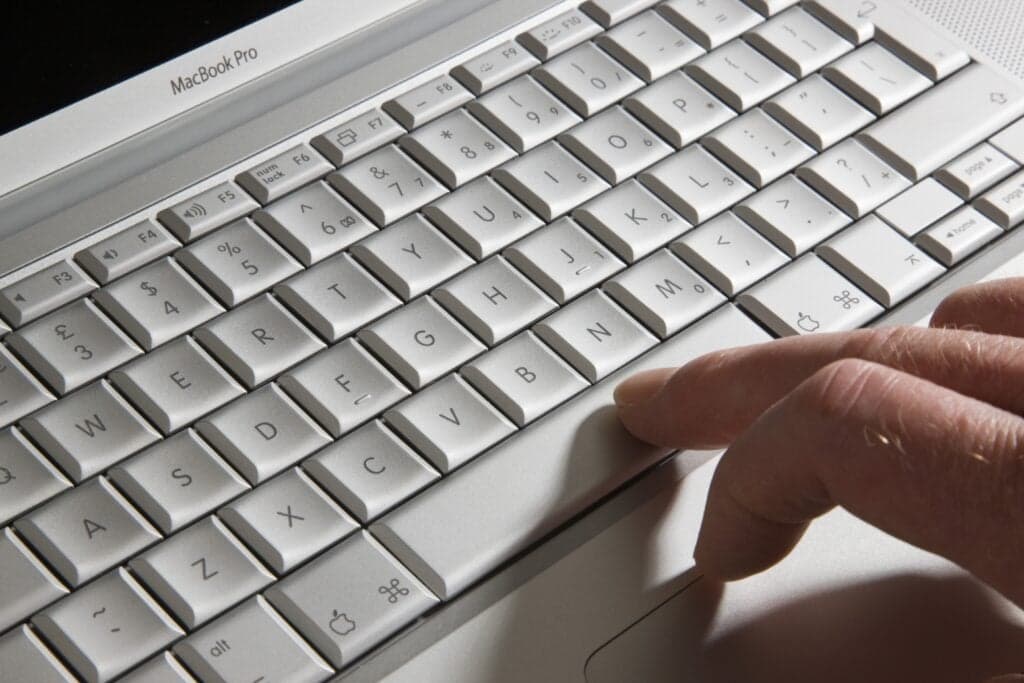
You might have noticed when typing away, whether on a Mac or a PC, that both the letters F and J have a small bump sticking out, but why is that?
Well, we wanted to know a little more about this mystery so you wouldn’t have to.
Rather than an aesthetic choice, the little bumps on your keyboard actually serve a purpose, and it’s all related to professional typists for almost a century ago.
Typewriters started to gain momentum in the early 1930s, evolving into an essential appliance in any business, clinic, and any other office setting.
With it, came typists, who evolved from a niche into a standardised world of fast paced work life.
August Dvorak, creator of the alternative Dvorak keyboard, noticed other typists wasting time searching for keys.
His solutions? Two little bumps at the centre for your indexes to lay on. The invention allowed for typists to reach new highs when it came to speed and accuracy, as a new age of blind typing came to light.
Nowadays you can keep looking at your screen without having to look down from your screen due to the overwhelming amount of hours we spend in front of our screens.
But for the early 20th century, this was a game changer, allowing typists to find the center of the keyboard with the two little bumps.
IBM perfected the model with 0.3 millimetre plastic edges by the 1950s, coming closer to what we see nowadays.
Do these little bumps actually work, or is it just a thing of the past?
Research shows that when removing the bumps, typos occurred 38% more often while slowing down the typing speed by 22%.
The study worked with a myriad of individuals, including Gen Z computer dwellers, who were said to regress to good ole “hunt-and-peck” technique in order to find their key.
Apple tried to mimic the little bump aids on touchscreen keyboards, opting for vibrations instead, but as you can probably imagine, it utterly fumbled.