

News

Share
Published 09:59 21 Oct 2021 BST
Updated 10:54 23 Oct 2021 BST
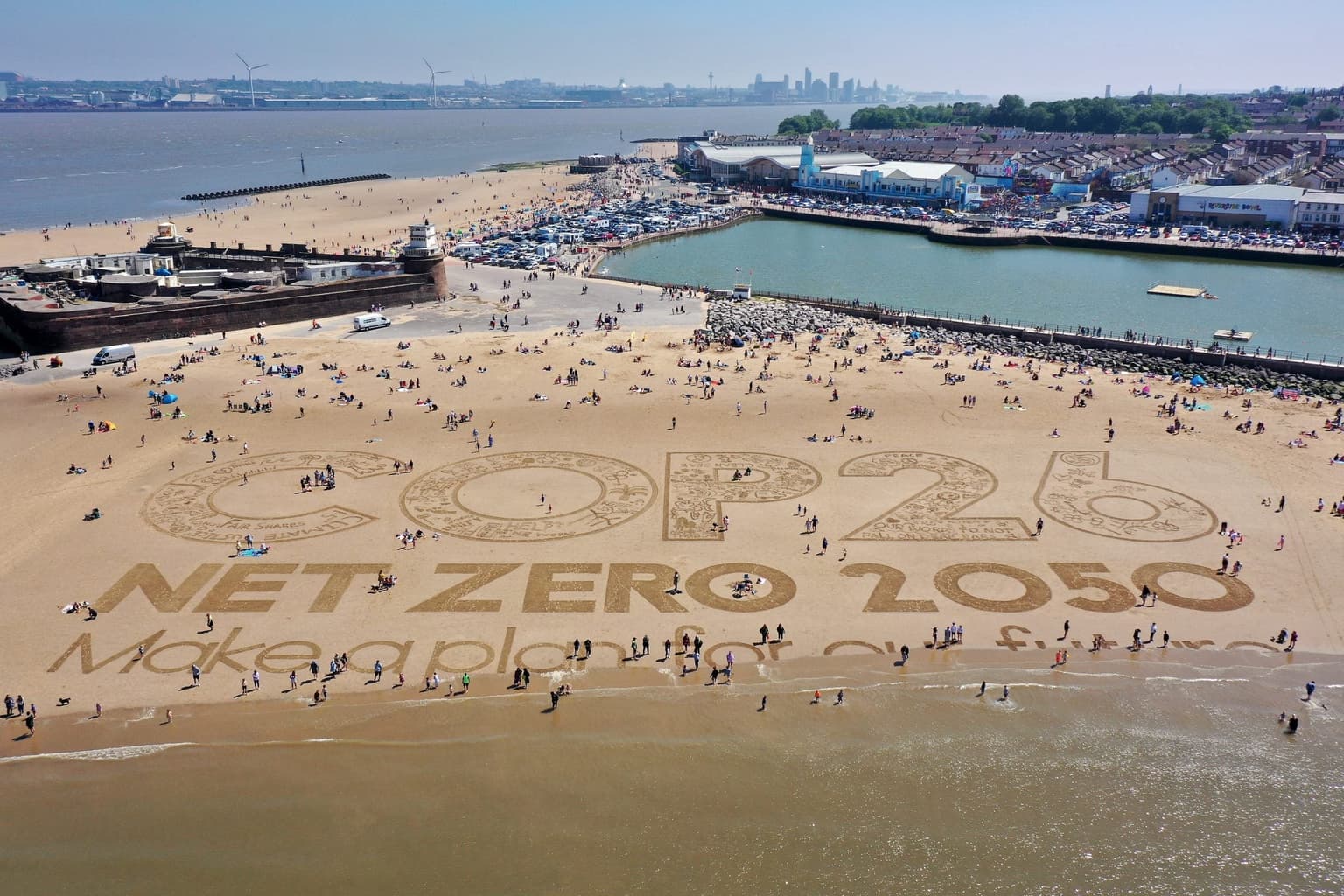
 Every year, the United Nations holds a climate change conference known as a COP - or ‘Conference of the Parties’ - to forge a global response to climate change. This year makes the 26th anniversary, hence COP26. It was postponed in November 2020 due to Covid.
Under the 1992 UN Framework Convention on Climate Change, every country is treaty-bound to “avoid dangerous climate change” and find ways to reduce greenhouse gas emissions globally and fairly.
The UK is leading this year and of course, bumbling PM Boris Johnson has been his usual bombastic, over-promising self, saying the summit will be “the turning point for humanity”.
The summit, held at the Scottish Exhibition Campus from Sunday October 31 until Friday November 12, is being billed as humanity's last chance to avoid save the planet and will be led by the former business secretary, Alok Sharma.
Every year, the United Nations holds a climate change conference known as a COP - or ‘Conference of the Parties’ - to forge a global response to climate change. This year makes the 26th anniversary, hence COP26. It was postponed in November 2020 due to Covid.
Under the 1992 UN Framework Convention on Climate Change, every country is treaty-bound to “avoid dangerous climate change” and find ways to reduce greenhouse gas emissions globally and fairly.
The UK is leading this year and of course, bumbling PM Boris Johnson has been his usual bombastic, over-promising self, saying the summit will be “the turning point for humanity”.
The summit, held at the Scottish Exhibition Campus from Sunday October 31 until Friday November 12, is being billed as humanity's last chance to avoid save the planet and will be led by the former business secretary, Alok Sharma.
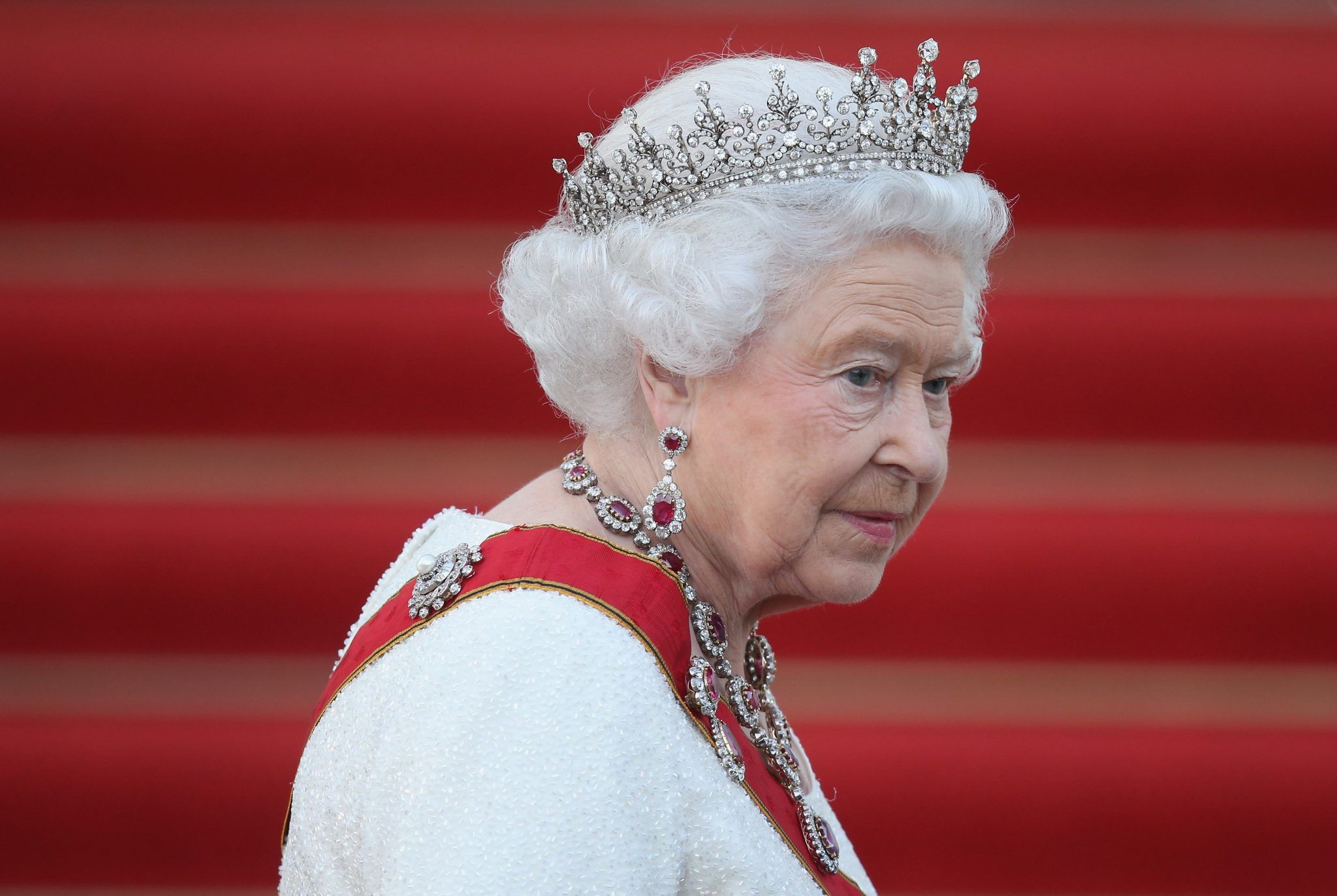 More than 120 world leaders (190 is rumoured to be the final figure) including US president Joe Biden and John Kerry, the US Special Presidential Envoy for Climate. It is expected to be the largest gathering of heads of state ever hosted in the UK.
Former US President Barack Obama will be there too, as will the Queen, Boris, Scottish First Minister Nicola Sturgeon, Sir David Attenborough and Pietro Parolin, the Cardinal Secretary of State of Vatican City - it was initially rumoured Pope Francis himself would attend.
World leaders will gather for the first few days, then leave their representatives to hammer out the fine print. The talks are scheduled to end at 6pm on Friday November 12 but past summits have run into the weekend... which could be good news for Glasgow's pizza delivery services.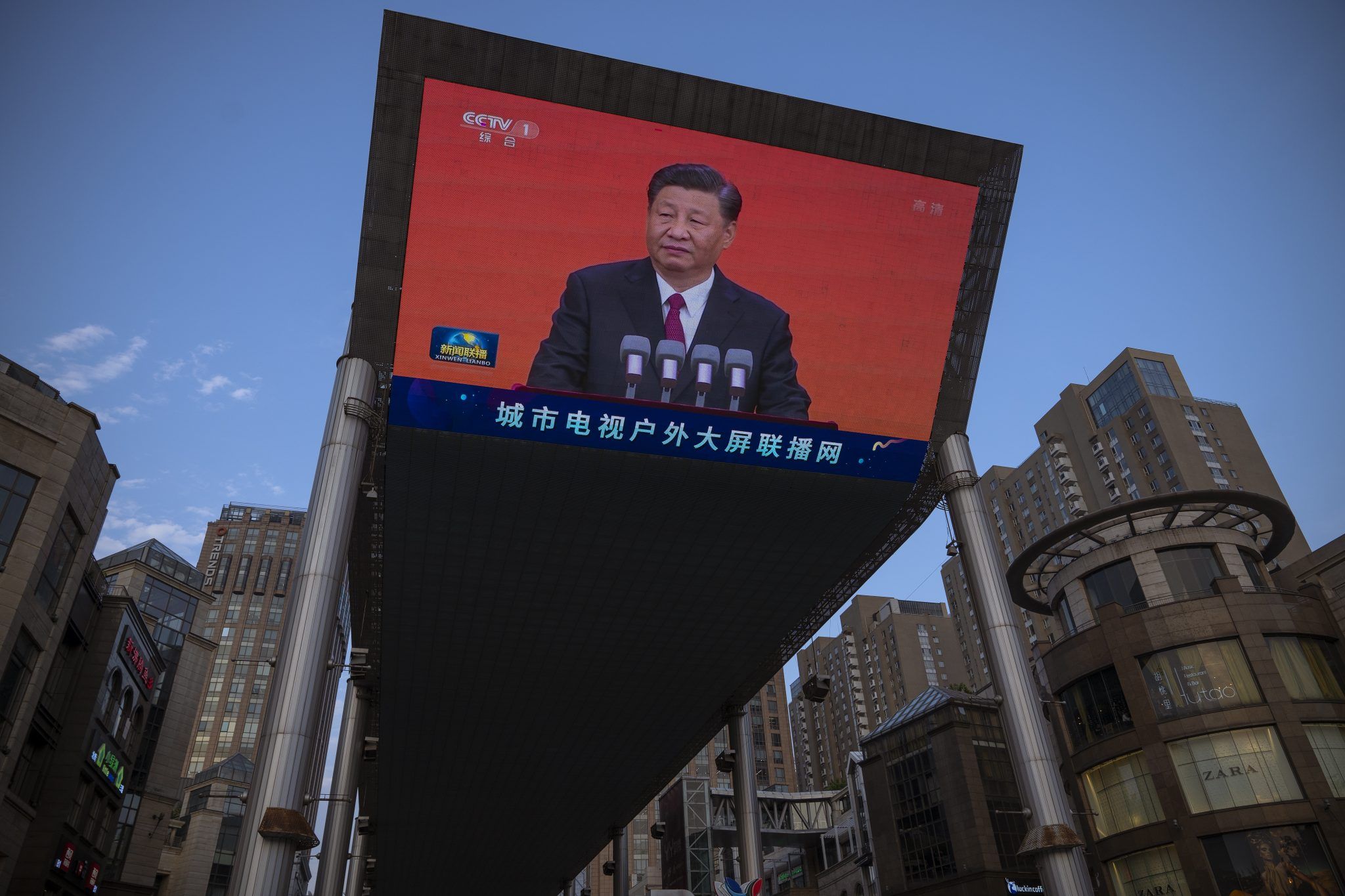 Chinese President Xi Jinping will not attend the summit in person. Naturally, this is prompting fears that China will refuse to set new climate change goals amid an energy crunch.
Given China is the world's largest greenhouse gas emitter, this is a big deal and a major setback for Boris.
The leaders of India, Prime Minister Narendra Modi, and Saudi Arabia, Crown Prince Mohammed Bin Salman, are also not going.
While the absence of the three leaders is concerning, the bigger issue is that all three countries are yet to submit their updated carbon-cutting plans.
On Wednesday (October 20), Russian leader Vladimir Putin also confirmed he was snubbing the event.
Chinese President Xi Jinping will not attend the summit in person. Naturally, this is prompting fears that China will refuse to set new climate change goals amid an energy crunch.
Given China is the world's largest greenhouse gas emitter, this is a big deal and a major setback for Boris.
The leaders of India, Prime Minister Narendra Modi, and Saudi Arabia, Crown Prince Mohammed Bin Salman, are also not going.
While the absence of the three leaders is concerning, the bigger issue is that all three countries are yet to submit their updated carbon-cutting plans.
On Wednesday (October 20), Russian leader Vladimir Putin also confirmed he was snubbing the event.
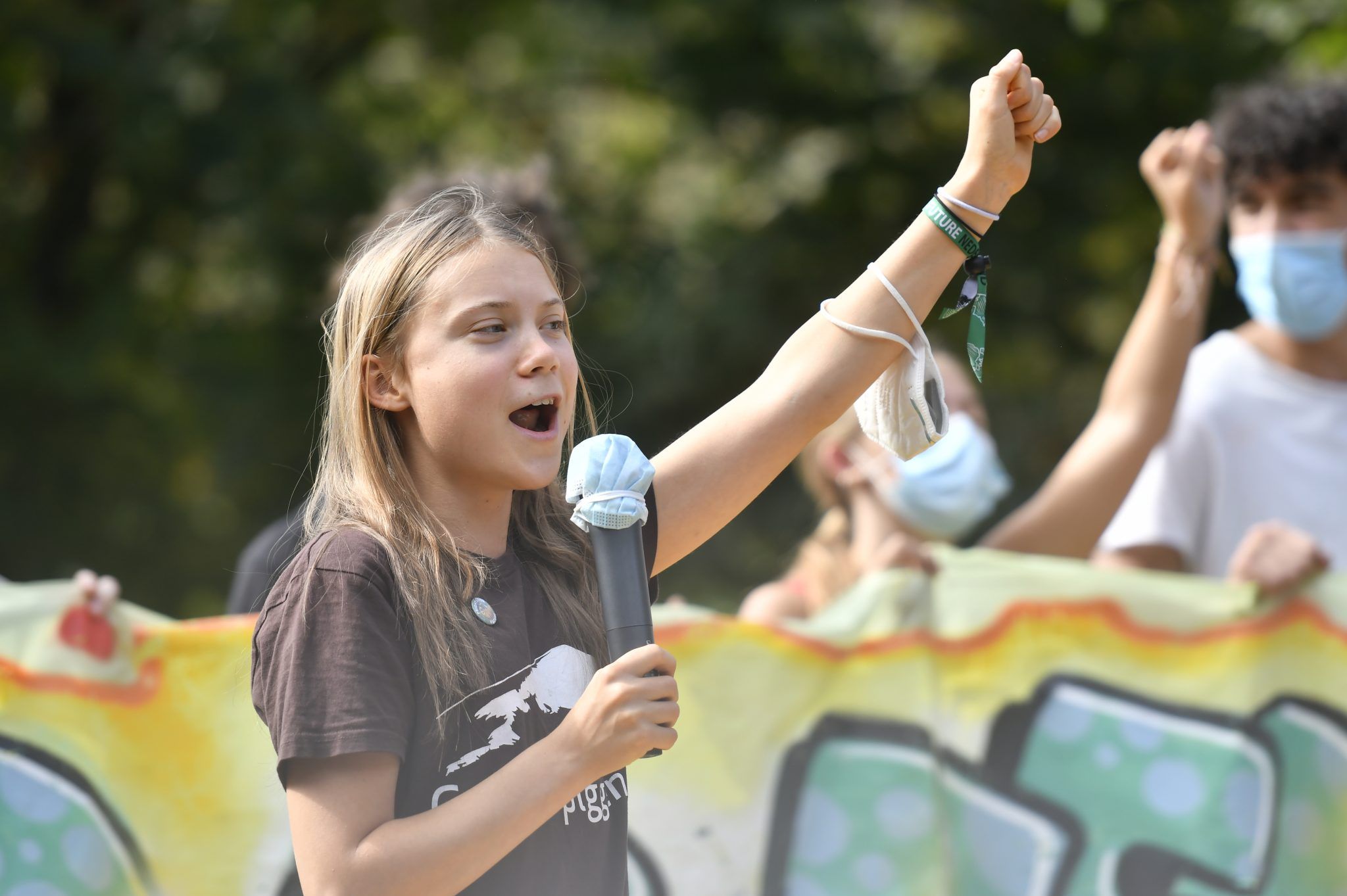 Greta is yet to RSVP - but given that she stole the show at COP25, it seems unlikely she won't attend at some point.
The teenager arrived at the Milan event by boat. She'd been at sea for 20 days having rejected air travel because of the environmental impact.
She then went on to deliver a speech that struck at the very heart of the climate crisis - the inaction of world leaders to follow through with promises.
https://twitter.com/GretaThunberg/status/1204728167782588416
Greta, whose solo climate strike in 2018 sparked a movement in millions of young climate protesters across the globe, told the BBC her decision depends on whether the event is "safe and democratic". Greta wants to make sure those attending from poorer countries are fully vaccinated and able to travel.
If she does go, Greta will take the train.
Greta is yet to RSVP - but given that she stole the show at COP25, it seems unlikely she won't attend at some point.
The teenager arrived at the Milan event by boat. She'd been at sea for 20 days having rejected air travel because of the environmental impact.
She then went on to deliver a speech that struck at the very heart of the climate crisis - the inaction of world leaders to follow through with promises.
https://twitter.com/GretaThunberg/status/1204728167782588416
Greta, whose solo climate strike in 2018 sparked a movement in millions of young climate protesters across the globe, told the BBC her decision depends on whether the event is "safe and democratic". Greta wants to make sure those attending from poorer countries are fully vaccinated and able to travel.
If she does go, Greta will take the train.
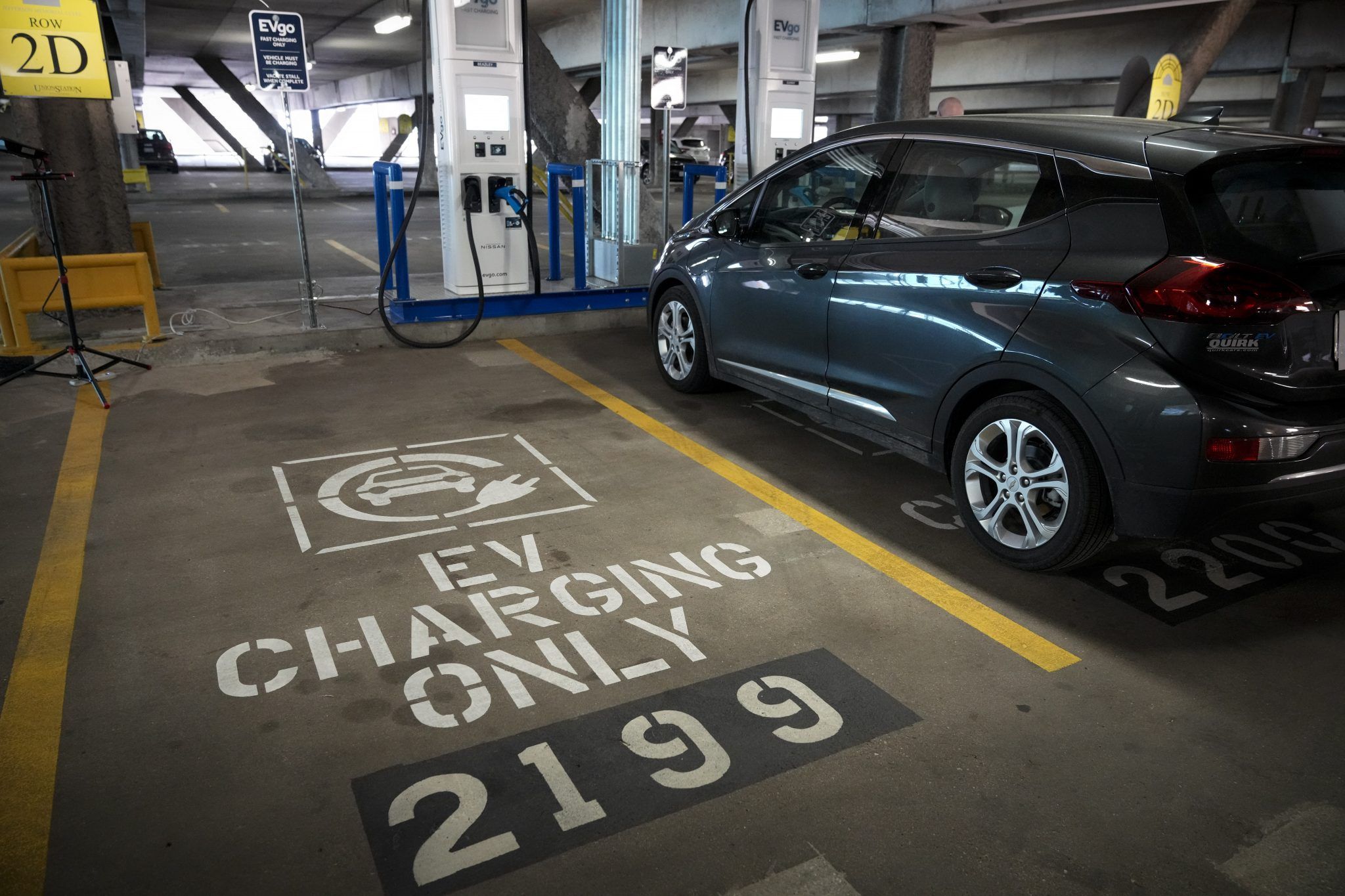 The goal of COP26, according to the official conference website, is to secure global net-zero carbon emissions by 2050 and cap a global temperature rise at 1.5 degrees.
As part of that goal, 200 countries were asked ahead of the conference to come forward with "ambitious" 2030 emission reduction targets. That's what China, India, and Saudi Arabia are dragging their heels on.
In 2015, leaders attending COP21 all agreed - in what is known as the Paris Agreement - to keep global warming "well below" 2C - and to try and aim for 1.5C - to avoid a climate catastrophe.
To deliver on the new targets, the website notes, countries will need to:
The goal of COP26, according to the official conference website, is to secure global net-zero carbon emissions by 2050 and cap a global temperature rise at 1.5 degrees.
As part of that goal, 200 countries were asked ahead of the conference to come forward with "ambitious" 2030 emission reduction targets. That's what China, India, and Saudi Arabia are dragging their heels on.
In 2015, leaders attending COP21 all agreed - in what is known as the Paris Agreement - to keep global warming "well below" 2C - and to try and aim for 1.5C - to avoid a climate catastrophe.
To deliver on the new targets, the website notes, countries will need to:
 Well, yes, kind of.
While the Paris Agreement locked in the requirement to limit global rises to below 2C - and to try and find ways to limit it to 1.5C - the French built in a clause stipulating countries had to return to the table every five years with fresh plans to ensure the goal remained achievable.
The deadline was up on December 31 2020 but the pandemic prevented many countries from coming forward. COP26 now provides that chance and all countries are now being urged to show their hand.
To meet the Paris goals (which are legally binding), countries had agreed on non-binding national targets to cut – or in the case of developing countries, reduce greenhouse gas emissions - but they weren't ambitious enough. In fact, if they were fulfilled Rachel Kennerley, a climate activist from Friends of the Earth, told JOE they would see the planet warm by between 2.4 and 2.9 degrees.
All countries are now being urged to revise their non-binding targets in line with the 1.5C target, an issue that Kennerley says is: "the most crucial thing for world leaders to look at".
To meet that threshold, scientists estimate that emissions must be reduced by 45 per cent by 2030 - compared to 2010 levels - and to zero by 2050.
Well, yes, kind of.
While the Paris Agreement locked in the requirement to limit global rises to below 2C - and to try and find ways to limit it to 1.5C - the French built in a clause stipulating countries had to return to the table every five years with fresh plans to ensure the goal remained achievable.
The deadline was up on December 31 2020 but the pandemic prevented many countries from coming forward. COP26 now provides that chance and all countries are now being urged to show their hand.
To meet the Paris goals (which are legally binding), countries had agreed on non-binding national targets to cut – or in the case of developing countries, reduce greenhouse gas emissions - but they weren't ambitious enough. In fact, if they were fulfilled Rachel Kennerley, a climate activist from Friends of the Earth, told JOE they would see the planet warm by between 2.4 and 2.9 degrees.
All countries are now being urged to revise their non-binding targets in line with the 1.5C target, an issue that Kennerley says is: "the most crucial thing for world leaders to look at".
To meet that threshold, scientists estimate that emissions must be reduced by 45 per cent by 2030 - compared to 2010 levels - and to zero by 2050.
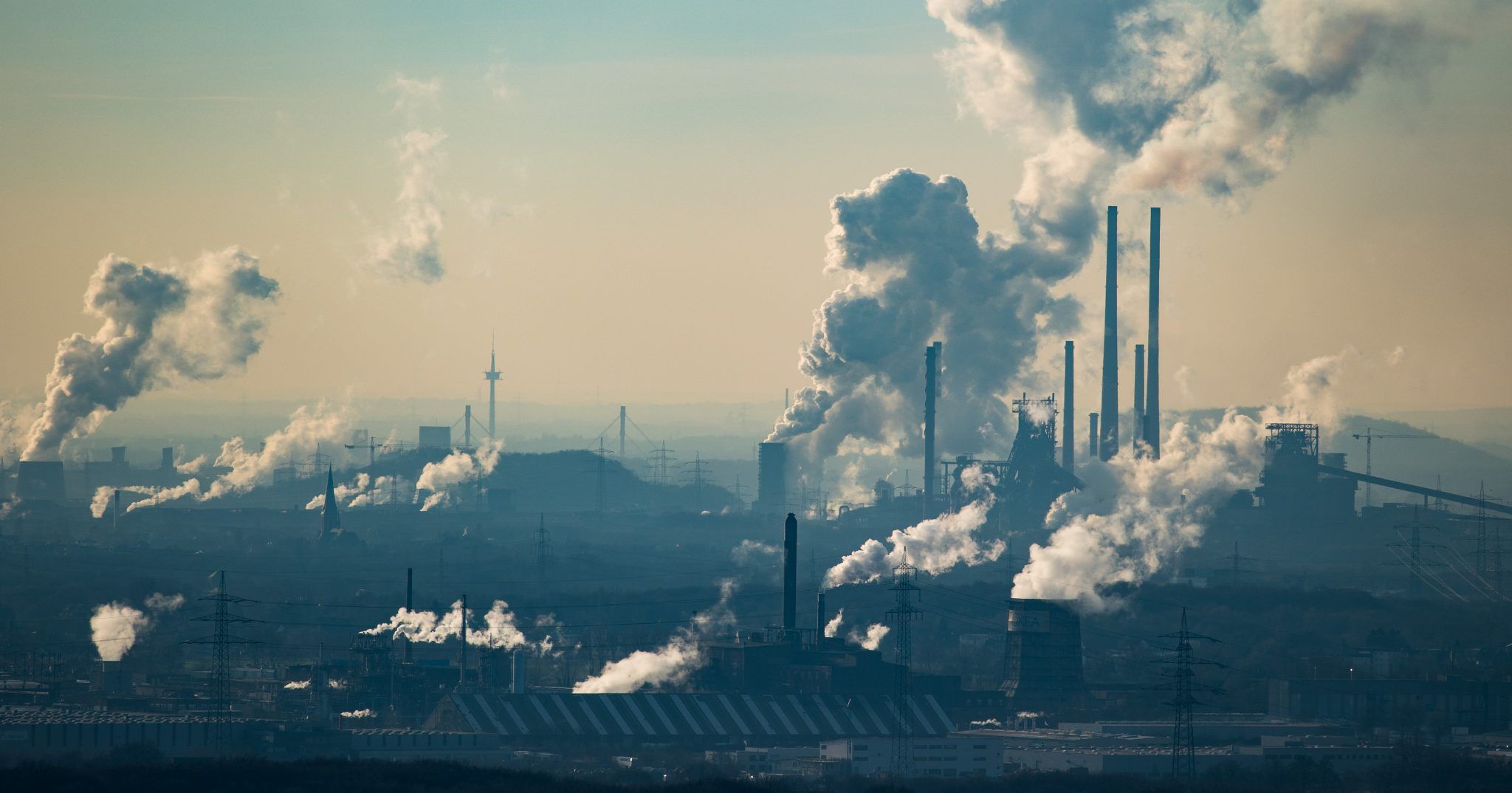 Given G20 countries are responsible for about 80 per cent of global emissions, money is going to be a sticking point at COP26.
Developing countries - per head of population - pollute less but experience some of the worst impacts of climate change.
Given G20 countries are responsible for about 80 per cent of global emissions, money is going to be a sticking point at COP26.
Developing countries - per head of population - pollute less but experience some of the worst impacts of climate change.
And they need money to help cut their emissions and compensation to help them cope with the damage already caused.
In 2009, wealthy nations agreed to help them out, pledging $100bn (£720m) a year by 2020 - but like everything else, the target, according to the UN, is not being met. Just $79.6bn was made available in 2019 - which is only 2 per cent more than the year before. Greta isn't holding her breath, in September she told The Guardian, "nothing has changed from previous years really", adding: "The leaders will say we’ll do this and we’ll do this, and we will put our forces together and achieve this, and then they will do nothing."
While saying COP26 is the "last best hope" for the world to get its act together, John Kerry, America's climate envoy, told the BBC that key countries were pursuing policies that border on being "very dangerous" and in an earlier interview with The Times, he concluded that the talks would probably fall short of the target for cuts in coal and petroleum emissions needed to hold destructive levels of global warming at bay.
Greta isn't holding her breath, in September she told The Guardian, "nothing has changed from previous years really", adding: "The leaders will say we’ll do this and we’ll do this, and we will put our forces together and achieve this, and then they will do nothing."
While saying COP26 is the "last best hope" for the world to get its act together, John Kerry, America's climate envoy, told the BBC that key countries were pursuing policies that border on being "very dangerous" and in an earlier interview with The Times, he concluded that the talks would probably fall short of the target for cuts in coal and petroleum emissions needed to hold destructive levels of global warming at bay.
Explore more on these topics:
News
News
News
News
How ready is the UK for conflict as all government departments told to update ‘war book’?
The UK is working on new plans in the event of a military attack For the first time in decades, all UK government departments are required to plan for how they might respond to a conflict. According to the latest reports, this will happen through a move to update something called the war book. In […]
News
1 day ago
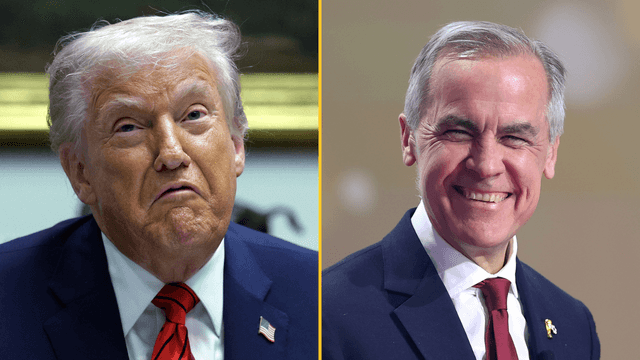
Watch: Mark Carney mocks Donald Trump with hand gesture
‘Accordion hands’ rarely looked more accurate Canadian Prime Minister Mark Carney appeared to mock US President Donald Trump during a speech. During a Liberal caucus address, among other things Carney promised to push legislation on social media safety. He said that Canada can lead the world in digital safeguards, including on AI. Meanwhile, he also […]
News
1 day ago
News
MI5 accepts it gave evidence based on lies to three courts
News