







Entertainment

Share
Published 10:01 30 Sept 2021 BST
Updated 10:34 30 Sept 2021 BST
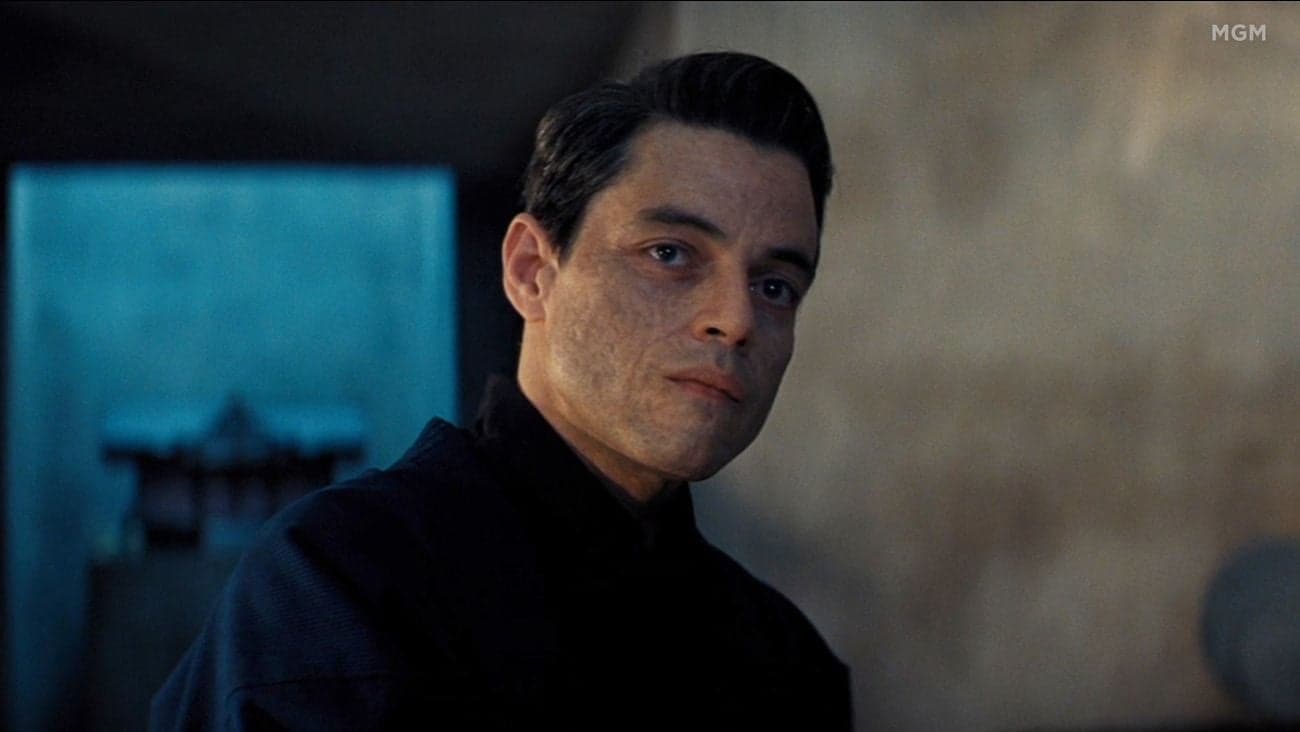
 Rami Malek as villain Safin in No Time to Die[/caption]
This comes after the premiere of Daniel Craig's last stint as 007. In No Time to Die, Bond faces disfigured assassin Safin, played by Bohemian Rhapsody's Rami Malek.
"Often we get messages saying, 'I've experienced a negative message, I've been compared to a villain in a film', myself included - I got referred to as Freddy Kreuger," Changing Faces campaigner and burn survivor Tulsi Vagjiani told Sky News.
She continued to explain that the organisation launched a campaign called 'I am not your Villain' three years ago leading The British Film Institute to allegedly pledge that it would no longer fund films with facial disfigurements.
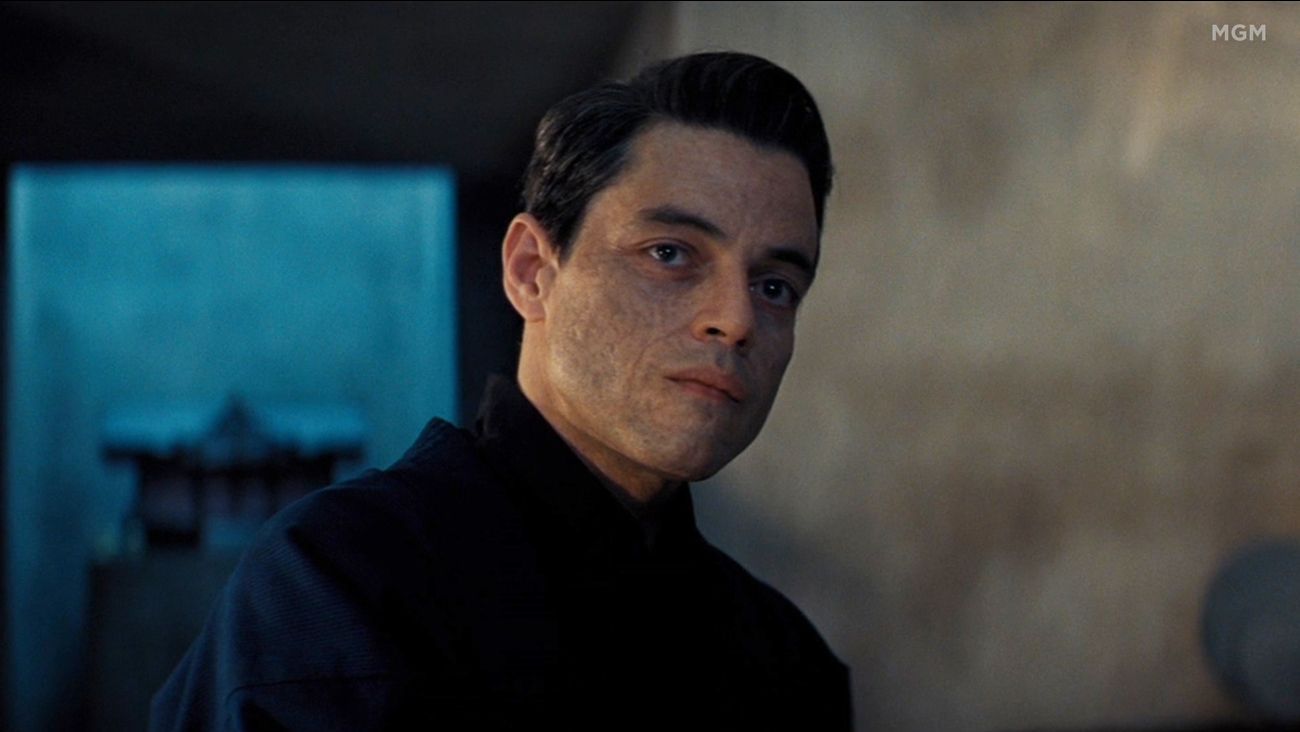
Rami Malek as villain Safin in No Time to Die[/caption]
This comes after the premiere of Daniel Craig's last stint as 007. In No Time to Die, Bond faces disfigured assassin Safin, played by Bohemian Rhapsody's Rami Malek.
"Often we get messages saying, 'I've experienced a negative message, I've been compared to a villain in a film', myself included - I got referred to as Freddy Kreuger," Changing Faces campaigner and burn survivor Tulsi Vagjiani told Sky News.
She continued to explain that the organisation launched a campaign called 'I am not your Villain' three years ago leading The British Film Institute to allegedly pledge that it would no longer fund films with facial disfigurements.
Explore more on these topics:

Entertainment

Entertainment
Entertainment

Entertainment
Street Fighter – Release Date, Where to Watch & Cast Explained
JOE spoke to the director and stars of one of 2026’s most anticipated movie releases. Here’s everything you need to know about the film. After much anticipation, the latest movie reboot of the Street Fighter franchise will finally be available to watch this week. JOE spoke to the film’s director, Kitao Sakurai (The Eric Andre […]
Entertainment
5 days ago
Prime Video’s hit thriller series cancelled, confirms star
EXCLUSIVE: One of the show’s stars told JOE that the show sadly won’t be back for a new season. Prime Video’s British supernatural thriller series The Rig has been cancelled after two seasons, according to its star Emily Hampshire (Schitt’s Creek, WandaVision). Having premiered in 2023, the show followed the crew of a Scottish oil […]
Entertainment
5 days ago
Entertainment
Rare record ordered to be destroyed by legendary band turns up on Antiques Roadshow
Entertainment