






Sport

Share
Published 09:59 1 Jul 2026 BST
Updated 09:59 1 Jul 2026 BST
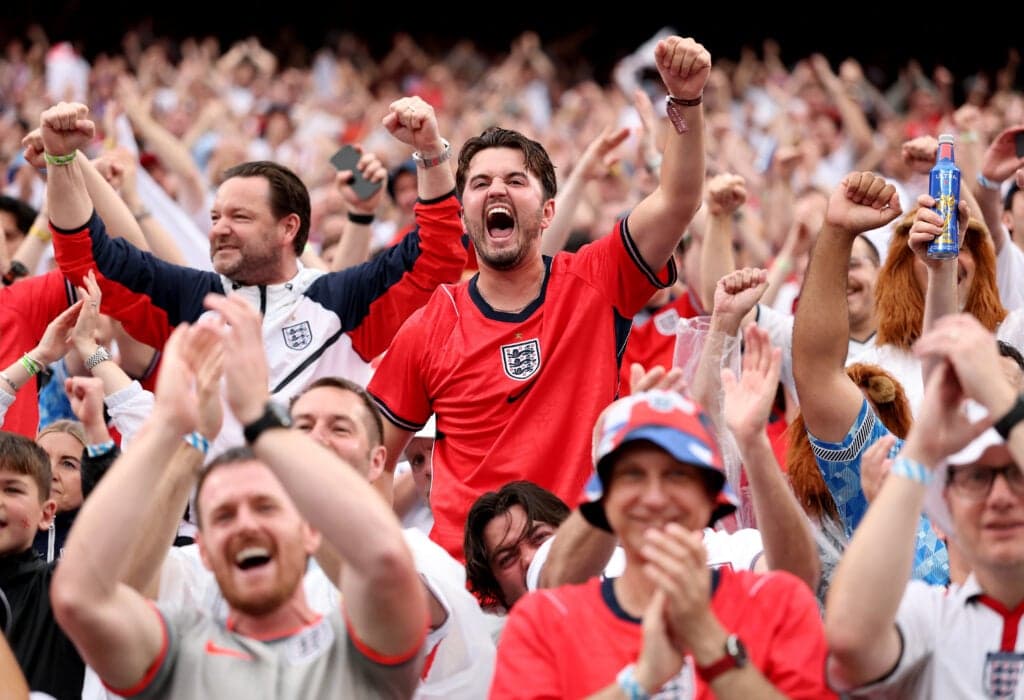
As England gets ready to face DR Congo in the World Cup 2026 Round of 32 at 5 pm BST, many football fans across the UK are asking the same question: can they leave work early or take time off to watch the match live?
With this year's World Cup being held in the United States, kick off times have been far from ideal for fans watching across Europe.
However, fans are not the only ones feeling the pressure, as the tournament has also created a few headaches in the workplace.
Between late night matches, tired morning commutes, and a sudden surge in annual leave requests, many offices are finding the World Cup is affecting more than just productivity.
Unions and employment experts have warned businesses to expect more staff requesting time off or even calling in sick so they do not miss World Cup matches.
The Chartered Institute of Personnel and Development has advised employers to be as flexible as possible.
That could include allowing staff to finish work early or take annual leave so they can watch the matches.
If nothing else, companies are being urged to lay down clear ground rules ahead of time so everyone knows what is and is not acceptable during the tournament.
The Advisory, Conciliation and Arbitration Service has also stepped in with advice on how to make life a bit easier during the World Cup period, suggesting more flexible approaches wherever possible.
That could include finishing early, making up hours later, swapping shifts, or, in some cases, even letting staff catch the action at work without pretending to look busy on a spreadsheet.
Unfortunately, there is no requirement for time off to be given, unless it has already been agreed in advance.
This does not apply to self employed people or those on flexible contracts, as they can leave work early without any issues.
They can also take time off to recover after staying up late to watch a match, although that would not normally be considered a valid reason for other workers.
A number of supporters have tried to stay ahead of the schedule by booking their annual leave early, lining it up with potential knockout stage matches just in case their team goes further.
Others are hoping to rely on flexible working arrangements, such as starting later the day after a late match or working from home where possible.
It should be noted, however, that managers are likely to keep an eye out for World Cup related absences that do not comply with company policy.
As a result, requests for annual leave can be refused if they are handled fairly and follow company policy, and any issues with lateness may be dealt with through normal disciplinary procedures.
Statutory Sick Pay is available to most employees, other than those who are self employed, as long as they meet certain conditions, including having begun a job with an employer, being unwell for at least four days in a row, and earning a minimum of £113 per week.
If the reason is legitimate but payment is being withheld, you can ask for the official government sick pay form to be completed, where the employer must explain why Statutory Sick Pay has not been granted.
After that, you can get in touch with HM Revenue and Customs, who will review the case and decide whether Statutory Sick Pay should be paid.
David D’Souza, a director at the Chartered Institute of Personnel and Development, said employers should be upfront about expectations and encourage staff to plan ahead by booking time off for matches, or for any knock-on effects that could impact performance at work.
In addition, John Palmer, a senior adviser at the conciliation service Acas, has advised employees to inform their employer of their plans as early as possible, as it allows time to consider what arrangements can be made.
Palmer says: “Be fair with your employer, your employer will be fair with you.”

Sport

Sport
Sport
Sport
Family launch plea for missing England fan travelling to World Cup
The family have taken to social media to appeal for help. The family of England supporter Michael Hewitt have launched an urgent appeal to help discover any information about the whereabouts of the 65-year-old. Hewitt’s family say they have not heard from Michael since the 21st of June, at which point he had been due […]
Sport
17h
Chelsea tear into Maresca with scathing statement after Man City appointment
“He had no right…” After months of arduous speculation, Manchester City have finally announced their replacement for Pep Guardiola, former Chelsea head coach Enzo Maresca. The 46-year-old Italian has penned a three-deal deal with the Citizens, returning to the club where he earned his reputation as one of Europe’s leading tacticians. Maresca worked at The […]
Sport
1 day ago
Sport
Supermarket launches offer selling booze for less than £1 per beer for World Cup games
Sport