








Lifestyle

Share
Published 09:42 1 Jul 2026 BST
Updated 09:42 1 Jul 2026 BST
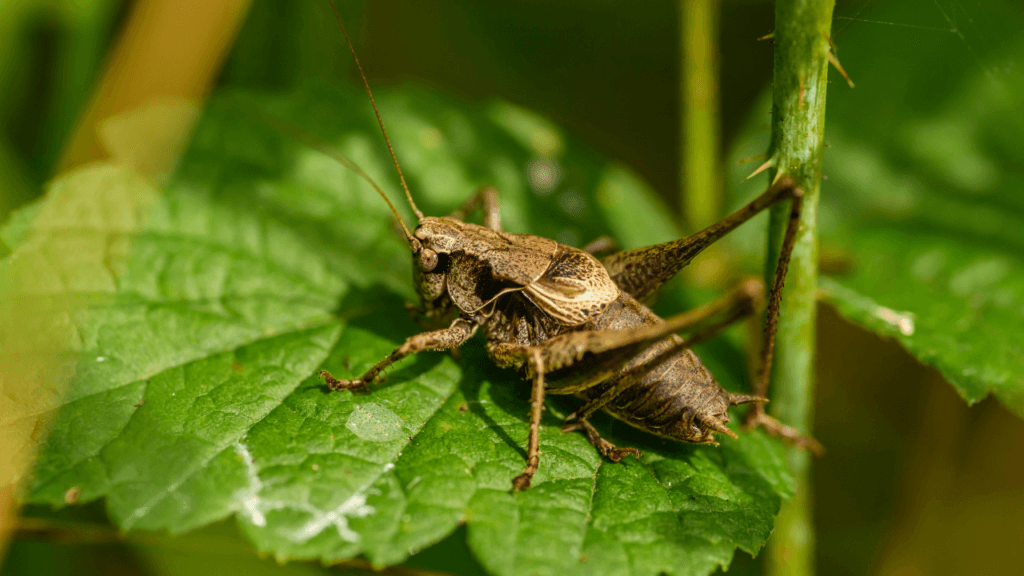
But there has recently been a growing trend that has put this dietary choice in the spotlight, raising many considerations. Has this emerging fixation for alternative protein sources and environmental food production come to not only stay but expand?
Many governments, companies, and scientists involved with environmental concerns are very interested in insects' potential as a source of food.
As a whole, insects are a natural source, containing a high amount of protein and very little fat, so, nutritionally speaking, they are healthy and beneficial.
Additionally, they produce fewer greenhouse gas emissions than animal farming and require less land than livestock.
Crickets, for instance, are one of the favourites. They are 12 times as efficient as cattle. This would allow insects to help meet the demand for protein while having a minimal environmental impact.
Like livestock, insects are farmed.
Bernat Monter is the CEO and co-founder of Grillco, a pioneering Spanish company focused on producing cricket flour.
“We transform them into a very thin, tasteless powder that can be added to any food without altering it but increasing its nutritional value”, he explained in the radio programme RAC1.
The company’s farm is located in a small village in a region of Catalonia. There, crickets are born, raised and turned into food to be “sold to the markets.”
Monter is convinced that eating animals is the future. He points out two main reasons: “they contain 70% of protein” and “their environmental impact is minimal”. Actually, they pay around 40 euros for their water bills.
However, Monter acknowledges that there’s still “a lot of knowledge and investigation” to be done, and he admits that “there’s very limited support.”
Known as the ick factor, the disgust associated with eating insects is one of the reasons for its unpopularity, especially in many European countries.
Despite other questionable eating habits, such as eating snails, seafood, or rabbit, many people prefer not to eat insects whole.
Hence, some restaurants offer insect dishes in the form of burgers, sausages, snack bars, or minced meat. For example, Thailand’s Bounce Burger is a restaurant that serves its signature insect-based menu in the form of cricket-beef burgers, sausages, cricket balls, and even power bars and cookies.
As another thriving company, SiamBug produces and supplies edible insects, describing their goal as helping to create a sustainable food chain, replacing animal protein with a much more sustainable cricket protein.
However, other companies and restaurants like Yum Bug or Aspire Food Group have closed due to a lack of demand or have been ordered into receivership in recent years.
Another reason for its delay in implementation is the still evolving regulations. For example, in the EU “not all insects are authorised for human consumption” and "many public health issues have to be addressed” to market them, explains Monter.
On one hand, it has been scientifically and psychologically proven that the human brain can be tricked into eating certain foods that it initially dislikes. With patience and time, the brain's neuroplasticity can relearn almost everything.
For instance, dipping foods into sauces, like eating carrots with ketchup, or using a piece of clothing with a scent that you like to cover the smell of the food, are some techniques that can help introduce new foods.
On the other hand, today’s generation is very much driven by trends and challenges, many of them including food. Who hasn’t witnessed Dua Lipa’s habit of adding pickled juice to her Coke?
Perhaps all it takes is a couple of role models to start influencing the rest of the population into trying some dried cockroaches covered with chocolate sauce.
Eating insects is beneficial both for our health and the future of our planet. Many companies and restaurants are choosing to invest in this sector, and globalisation seems to be helping people to wrap their heads around it.
Regulations and cultural roots remain big challenges for insect commercialization and their normalisation among the population, but maybe all it takes is a little push.
Explore more on these topics:
Surely many of us have heard that eating insects is the future. Actually, eating insects dates back many years, and more than a fourth of the world's population is already eating them.
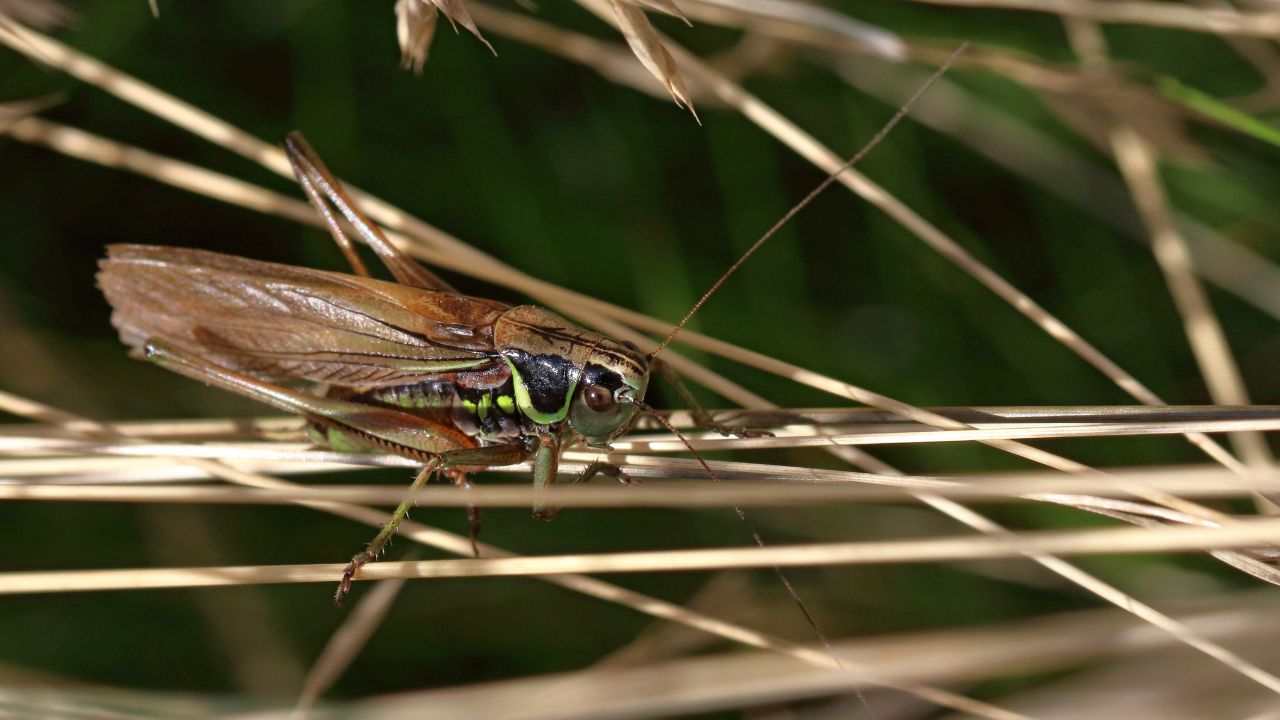
Even in Thailand, where insect diets are more common, the biggest challenge for the edible insect industry is people overcoming the gross factor of eating whole bugs. In response, producers have turned to grinding insects into flour-like powders that can be mixed into familiar foods and products like cocoa, bread, and noodles.

Lifestyle

Lifestyle
Lifestyle

Top-selling Apple Watch gets 80% discount in rare deal
A rare chance to save big If an Apple Watch has been sitting on your wishlist, or on someone else’s, for a while now, this is the perfect moment to finally go for it. With this limited-time deal, you can grab one at a great price and tick it off the list at last. This […]
Lifestyle
5 days ago
UK households told to put A4 sheet of paper in fridge today
It’s time to conduct a food-saving experiment It is pretty flipping hot out there with red weather warnings and some thunderstorms plaguing parts of the nation. With this rather warm weather gripping the nation, British folk need to be careful with their refrigerated goods as the sweat-inducing weather continues. With temperatures potentially hitting 40°C and […]
Lifestyle
1 week ago
Lifestyle
Lifestyle
Taylor Swift’s favourite kebab shop has become one of London’s top tourist attractions
Lifestyle