





Science

Share
Published 17:11 31 Aug 2023 BST
Updated 17:18 31 Aug 2023 BST
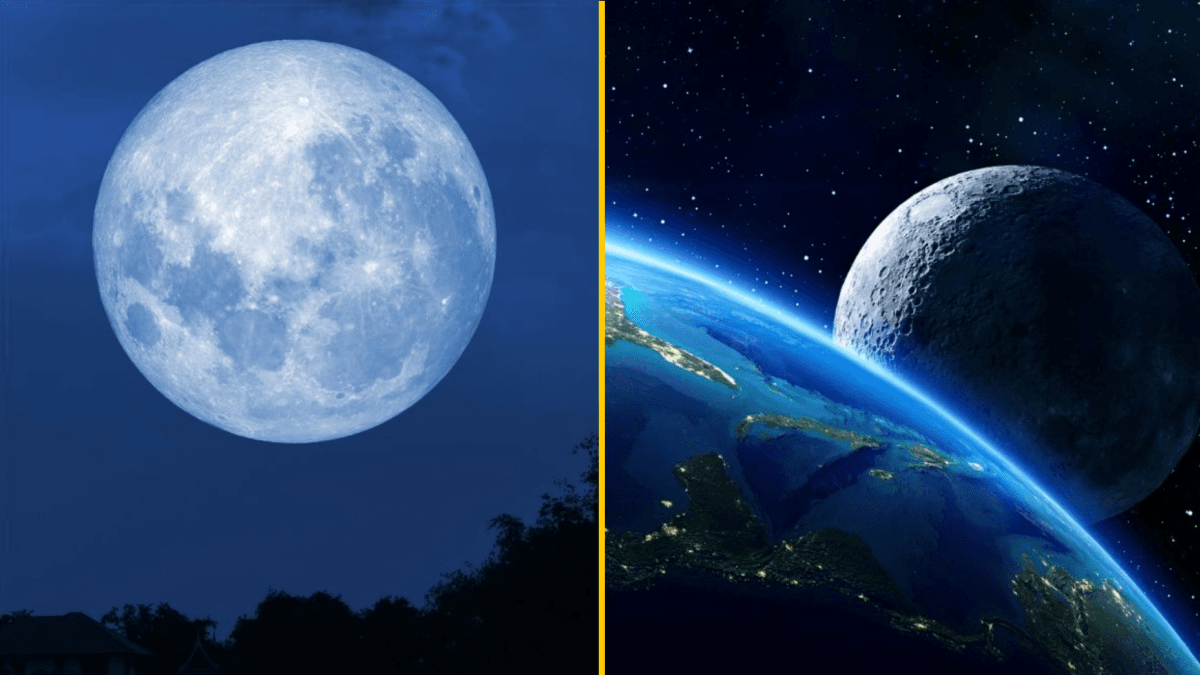
Scientists have discovered that the Moon is slowly drifting away from Earth, meaning that days are getting longer.
Contrary to long-held assumptions that our only natural satellite remains same distance from Earth, experts now believe the Moon has been slowly moving away from us for millions of years.
This has had the effect of slowing how the speed at which the Earth spins, and therefore causing the planet to take longer for it to complete a full day's rotation.
In a study published by a team at the University of Wisconsin-Madison, researchers used rock sediments from a 90-million-year-old rock formation to analyse the Earth's relationship to the moon 1.4 billion years ago.
They concluded that back then, a day on Earth lasted just over 18 hours because the Moon was much closer.
"As the moon moves away, the Earth is like a spinning figure skater who slows down as they stretch their arms out," explained Professor Stephen Meyers, professor of geoscience at the University of Wisconsin-Madison.
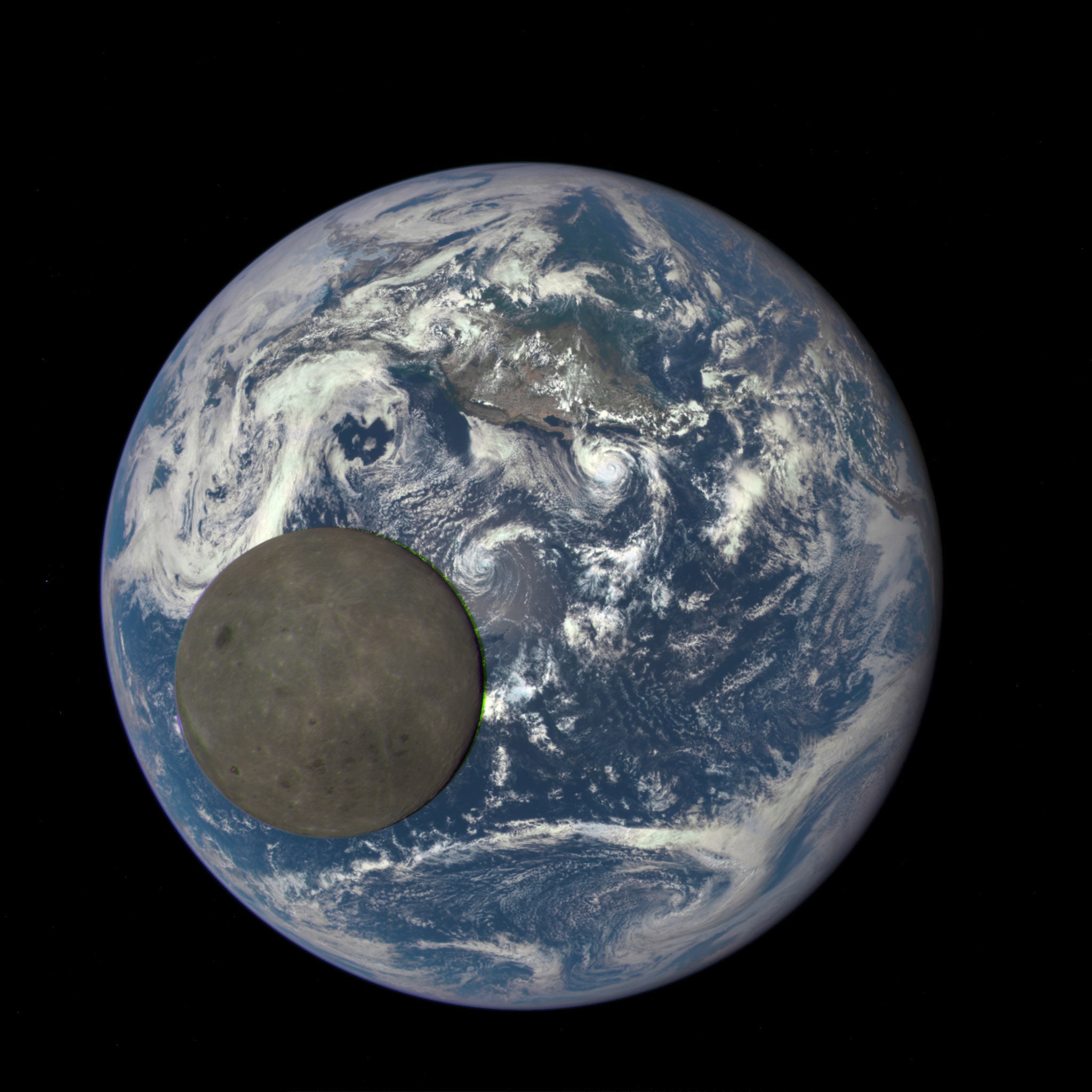
Before you start worrying about the prospect of more hours to fill in the days though, fear not. The Moon is moving away from us at the incredibly slow rate of 3.82 centimetres a year.
But, in around 200 million years' time, days on Earth will be a full hour longer, lasting 25 hours.
Researchers studied evidence in Earth's rock record to trace changes in the planet's climate, a method known as astrochronology.
Speaking about the method, Prof Meyers said: "One of our ambitions was to use astrochronology to tell time in the most distant past, to develop very ancient geological time scales
"We want to be able to study rocks that are billions of years old in a way that is comparable to how we study modern geologic processes."
Related links:
Science
Science

Science

Science
Supercomputer predicts exactly when humans will become extinct
That doesn’t sound good A supercomputer has predicted when humans will become extinct. Though climate change is always in the news and becoming a priority for governments to tackle, its long term impacts could be devastating not just on the environment but on our species as well. With this in mind, a supercomputer has analysed […]
Science
9 months ago
You need to ejaculate this many times in a month to prevent prostate cancer, experts say
Bashing the bishop is a scientifically proven way of staying healthy Regular ejaculation is something of a cheat code when it comes to shielding yourself from cancer. In a study published by European Urology, which followed 32,000 men for 18 years, scientists discovered the magic number of 21 times per month will reduce the chances […]
Science
9 months ago
Science
The world could end in 25 years, says Oxford scientist
Science