



News

Share
Published 14:28 24 Jun 2026 BST
Updated 09:57 14 Jul 2026 BST
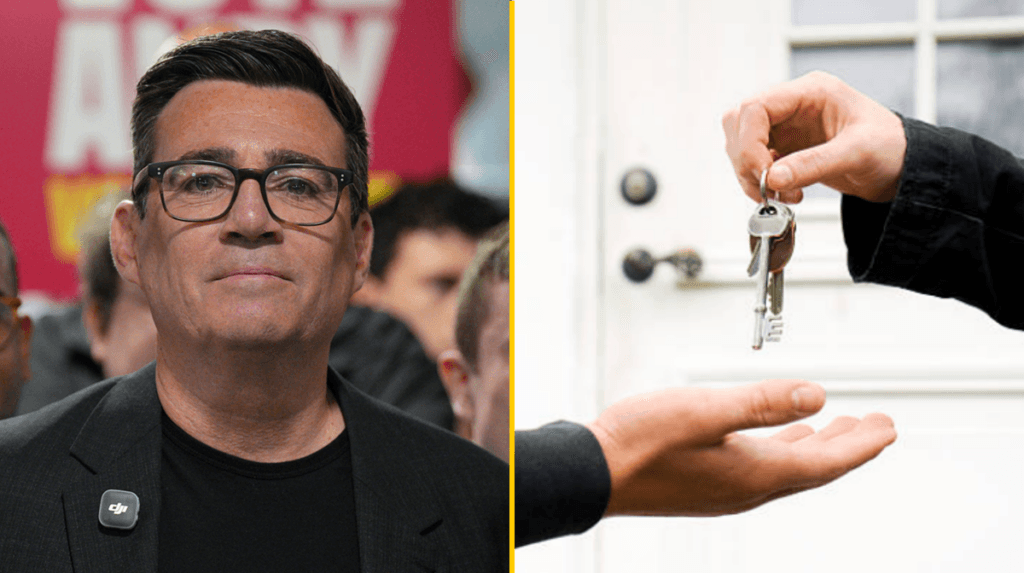
All eyes are now turning to Keir Starmer’s potential successor, following his announcement of resignation as prime minister.
Andy Burnham, the Makerfield MP who earned a parliamentary seat only a week ago, is now the frontrunner to replace him at No 10.
Next week, Burnham is set to make a major speech to set out key aspects of his economic policy.

This will include confirmation that he will stick to the rules of Rachel Reeves for managing public finances.
Burnham has set out a number of policy ideas during his very recent by-election campaign, and with him as the potential prime minister, it come with differences in your bank account.
As he has long been an advocate of council tax reform, Burnham called it “highly regressive” and said its 1991-based valuations were “not justifiable”, during his recent campaign.
The 56-year-old is listed as a supporter of a proposal put forward by the campaign group Fairer Share.
The group wants to replace council tax and stamp duty with an annual property tax that's equivalent to 0.48% of a home's value.
This would mean that property tax of £1,440 would be payable on a house valued at £300,000, if this were to go ahead of course.
“The council tax debate is particularly worrying. Council tax was designed to fund local services, with bands based on relative property values within a local area”, Martin Rayner, financial adviser at Compton Financial Services, told Money.
He added: “It was never intended to mean that two homes worth the same amount in different parts of the country should automatically pay the same tax.”
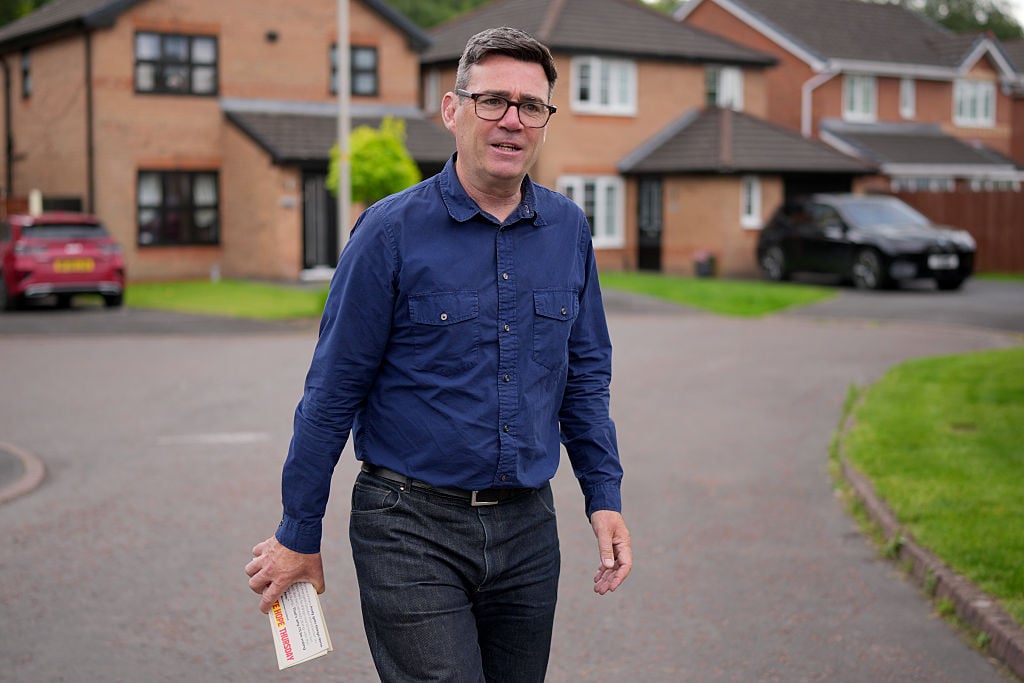
The frontrunner for Prime Minister has also expressed support for land value tax, the annual tax which is based solely on the value of the land itself.
Land value tax would replace stamp duty, which is paid when you buy a new property or land.
This measure was described by him as a “very productive form of taxation because you make sure land is used for good, productive purposes, and if people are sitting on it and hoarding it, they get taxed and that money can come back and be redistributed”, in 2022.
Meanwhile, many years prior, in 2010, he spoke about it in an opinion piece in The Guardian.
“The LVT, an annual tax on the market rental value of land, would allow for the abolition of stamp duty - a tax on the aspirations of young people to put down roots and get on in life”, he said.
This month, Burnham said that Labour had “got it wrong on small businesses” after it increased employers’ national insurance contributions.
He said: “I have said that I thought the weight of the burden on employers' national insurance wasn't the right decision”.
During an interview with the BBC’s Newsnight, Burnham said that he wanted to reconsider the increase.
Meanwhile, in a separate policy statement he also stressed that pubs, clubs and music venues get a 20% business rate cut next year under his plans, while smaller, independent hospitality, leisure and retail companies would have the threshold for paying the tax raised.
As per his proposal, the cuts would be paid for by higher levies on giant warehouses operated by online firms such as Amazon.
Burnham also said that he wanted to “reindustralise” the UK, after he won his seat.
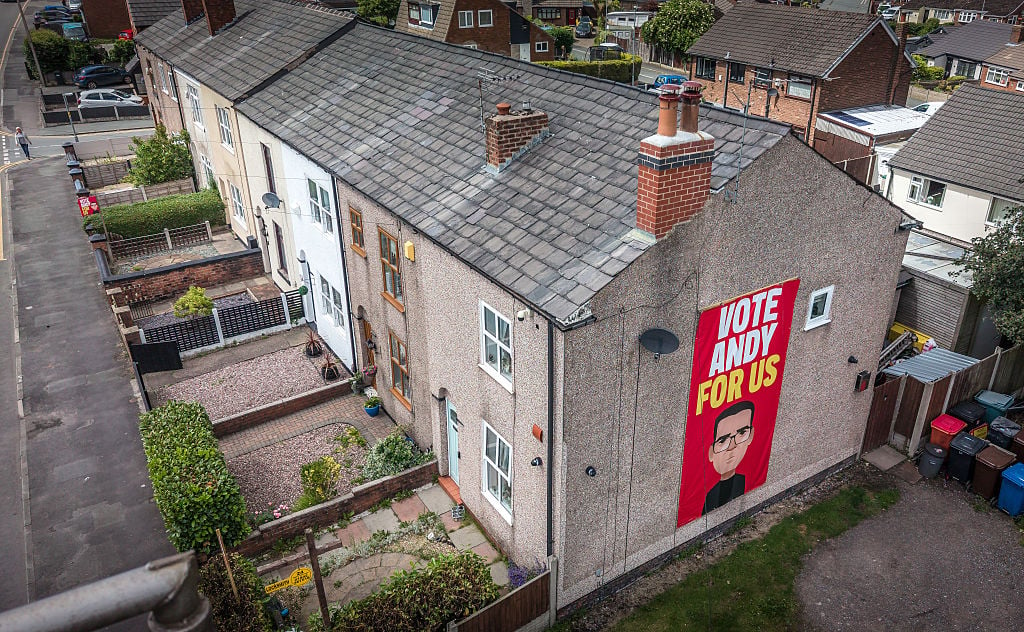
The inheritance tax, which is often called the most hated in the UK, is one which Burnham has pledged to scrap.
In the meantime, he argued in favour of replacing IHT by charging a flat 10% levy on all estates on death to pay for free social care while health secretary from 2009 to 2010.
In 2023, as he mentioned this idea again, he said: “I would abolish inheritance tax in its current form, but replace it with a care levy which everybody would pay - but obviously the wealthiest would pay the most.”
What this would mean for you, if implemented, is rather simple.
It would mean that a £500,000 estate would be subject to paying £50,000, regardless of how it was passed on.
While under the system in place today, if you were not leaving your home to your direct descendants there would be no inheritance tax on the first £325,000 of your estate, and inheritance tax at 40% on the remaining £175,000.
This would result in an inheritance tax bill of £70,000, on an estate worth £500,000,
That being said, if you leave a qualifying home to your direct descendants, your estate may also benefit from the £175,000 residence nil-rate band.
What this means is that it could increase your total inheritance tax allowance to £500,000, as a £500,000 estate may have no inheritance tax to pay.
His team has confirmed that Burnham will stick to Labour’s manifesto commitments not to raise income tax, national insurance or VAT.
Previously, the frontrunner for PM told The Telegraph there was “definitely a case” to reintroduce a 50% additional rate of income tax, up from the current 45%.
Since then, however, he seems to have distanced himself from this idea.
Meanwhile, he also suggested he is a fan of changing the personal income tax thresholds, meaning people could earn more before they have to start paying tax.
You need to earn more than £12,570 a year to start paying income tax at the basic rate of 20%, at the time of writing.
“On the personal allowance, I've heard on so many doorsteps, and I've said to my team, 'let's have a proper look at this and let's develop a policy'”, he told BBC Question Time.

Recently, Burnham has reaffirmed the government's commitment to the pension triple lock.
This means the state pension rises each year by whichever is highest out of wage growth, inflation or 2.5%.
And since it was implemented in 2011, it has been a controversial policy.
Meanwhile, what will matter most for your borrowing costs is Burnham's credibility in the markets.
The market impact has been very limited so far, as gilt yields were little changed, and the weakness of UK stocks and the pound could be put down to factors other than the political turmoil.
One thing you could notice is higher mortgage rates if Burnham starts setting out policies that spook market confidence.
An award-winning financial adviser told Money that “for mortgages and pensions, credibility matters most. If he is disciplined on borrowing, markets may stay calm”.
“If he reaches for unfunded promises, gilt yields, mortgage rates and confidence could all move the wrong way.”
Explore more on these topics:
News

News
News
News
Primark issues urgent recall for Halloween products over asbestos risk
Tests have raised concerns over the sand inside these gonks Two Primark Halloween gonk decorations have been pulled from sale after tests found that the sand inside some of the products could contain traces of asbestos. The products were on sale in stores between July and August and come in two designs: one has a […]
News
5h
Boots sold in £6.7bn deal including 1,800 stores across UK and Ireland
The UK retail pharma chain was bought by one of Canada’s most affluent families The High Street pharmacy and retail chain, Boots, has been sold for £6.7bn ($8.9bn) to the holding company of one of Canada’s most powerful families, the BBC confirms. The Weston family’s holding company, Wittington Investments, confirmed on Wednesday the multi-billion purchase […]
News
5h
Remarkable update on US death row inmate who survived two lethal injections
News