









News

Share
Published 09:51 5 May 2026 BST
Updated 10:03 5 May 2026 BST

A suspected outbreak of hantavirus on a cruise ship has caused the death of three people, it has been reported.
Meanwhile, a British man is in intensive care as three people have died as a result of the outbreak of the virus, two of whom are Dutch nationals.
The British tourist is being treated in intensive care in Johannesburg while another three passengers fell ill, two of whom are on board.
The reported outbreak happened on the MV Hondius cruise ship, as it was travelling between Argentina and Cape Verde.
Oceanwide Expeditions, the operator based in the Netherlands, has confirmed that it is managing “a serious medical situation”.
According to media reports, the cruise ship departed about three weeks ago with around 150 passengers and stopped in the Antarctic and other locations on its way to Cape Verde.
The rodent-borne virus known as hantavirus can either mostly affect the lungs or kidneys, and there are no specific drugs to treat it.
Treatment for hantavirus focuses on supportive care, while in severe cases, it includes putting patients on ventilators.
According to the Centers for Disease Control and Prevention, hantavirus is spread mainly by rodents and are not from person-to-person.
People get hantavirus from contact with rodents like rats and mice, especially when exposed to their urine, droppings, and saliva.
It can also spread through a bite or scratch by a rodent, but this is rare, according to CDC.
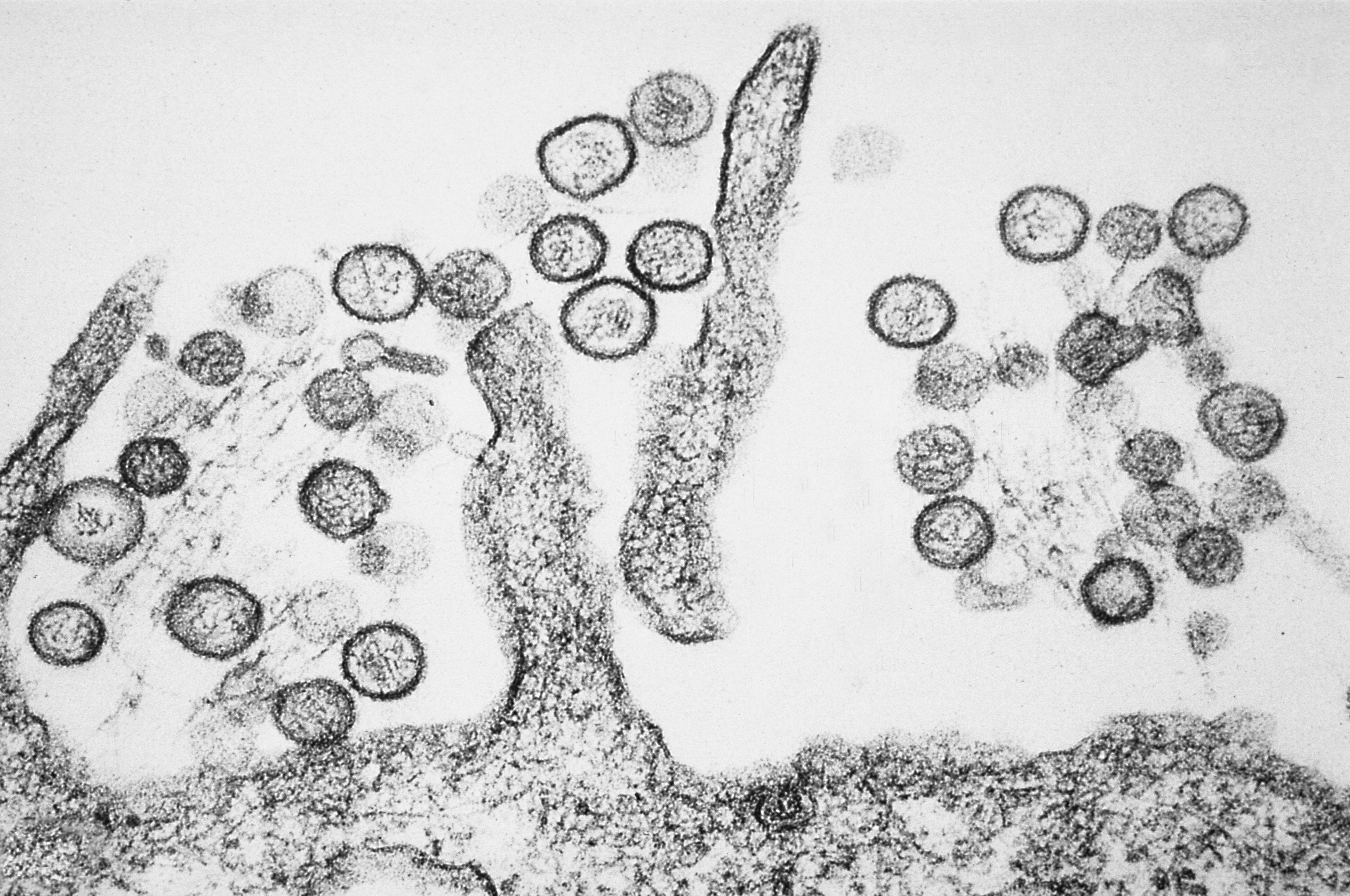
While around 150,000 cases of the disease are reported each year worldwide, only "very few cases of hantavirus infection have been confirmed in the United Kingdom" as per the government website.
Cases tend to be most concentrated in China, Russia, Scandinavia and the US.
Hantavirus can cause two serious infections in humans:
Early symptoms:
About half of all HPS patients also experience:
Symptoms include coughing and shortness of breath. Patients might experience tightness in the chest, as the lungs fill with fluid.
Thirty-eight percent of people who develop respiratory symptoms may die from the disease.
People may have flushing of the face, inflammation or redness of the eyes, or a rash. Later symptoms can include:
The survival rate of HFRS can vary depending on the virus causing the infection.
Less than 1% die from the Saaremaa, and Puumala viruses which are found in Scandinavia and western Europe, while the Hantaan (Asia) and Dobrava (Balkans) have a 5-15% fatality rate.
The Seoul virus is worldwide and also has a less than 1% fatality rate.
There is currently no specific treatment for a hantavirus infection with the best course of care being to support the patient with rest, hydration and treatment for other symptoms as per the CDC.
This can be support for breathing difficulties such as intubation, a procedure where a tube is placed in the lungs from the mouth.
Some patients with HFRS may need dialysis to treat kidney disruption.
Explore more on these topics:

News

News

News

News
School bus fares: no phone means no discount for kids
Parents face costly choice over smartphone and discounted school bus fares An 11-year-old girl in Derbyshire could be left paying hundreds of pounds more for her journey to school simply because she does not have a smartphone. Her mother, Adele Kightley, says the family could face an additional £546 in travel costs over the next […]
News
22h
Scottish diesel prices hit £2 a litre at 226 forecourts
‘Absolutely devastated’ Keeping a lorry on the road is becoming increasingly expensive in Scotland, with diesel now costing more than £2 a litre at 226 forecourts across the country. The worst-hit areas are the Highlands and islands, where motorists can pay up to 50p more per litre than customers using supermarket pumps in the central […]
News
22h

News
Drilling begins at ‘real site’ of Noah’s Ark as activists warn ‘Darwinism will be dismantled’
News