








News

Share
Published 11:57 26 Oct 2021 BST
Updated 16:15 26 Oct 2021 BST
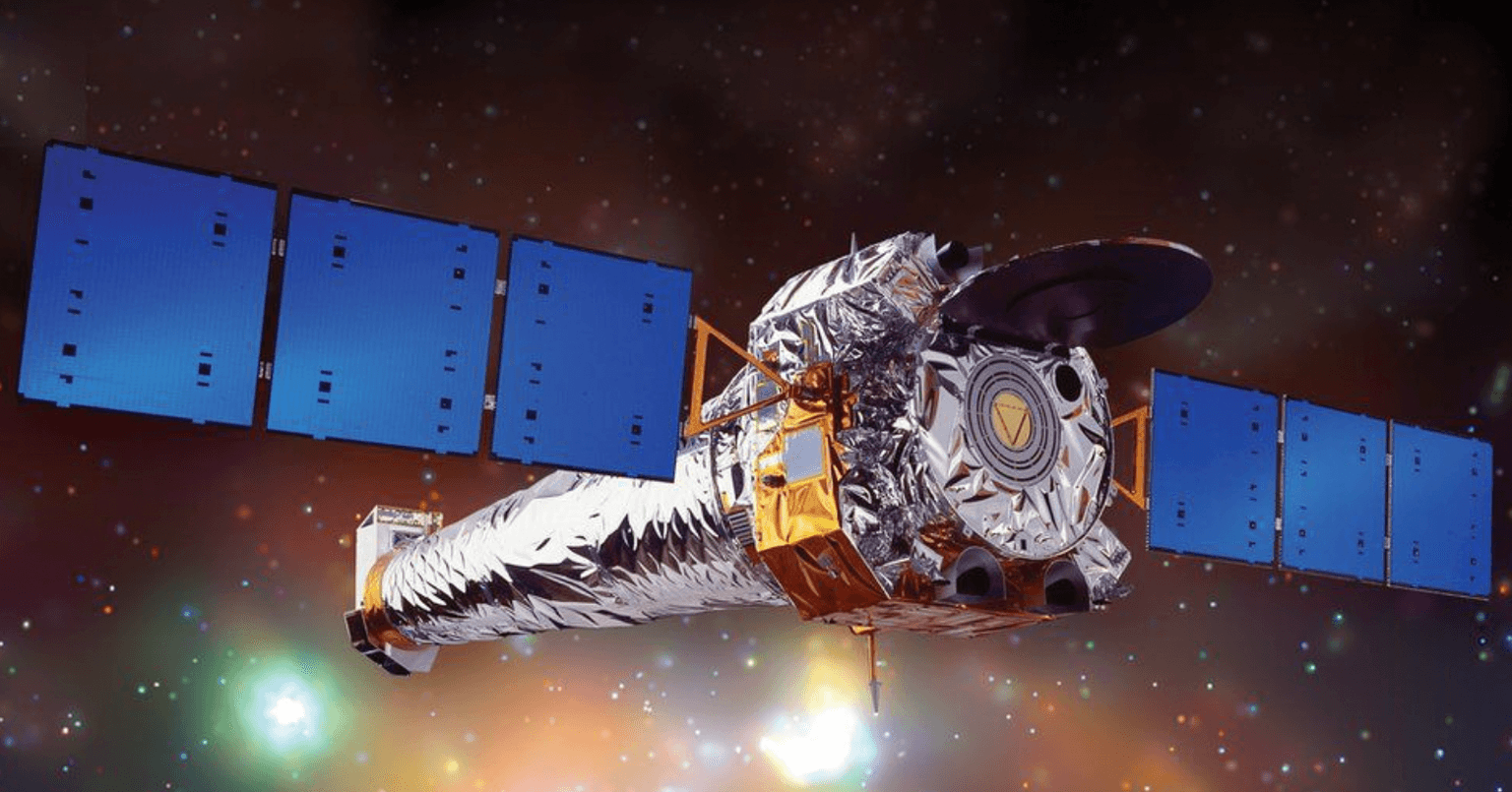
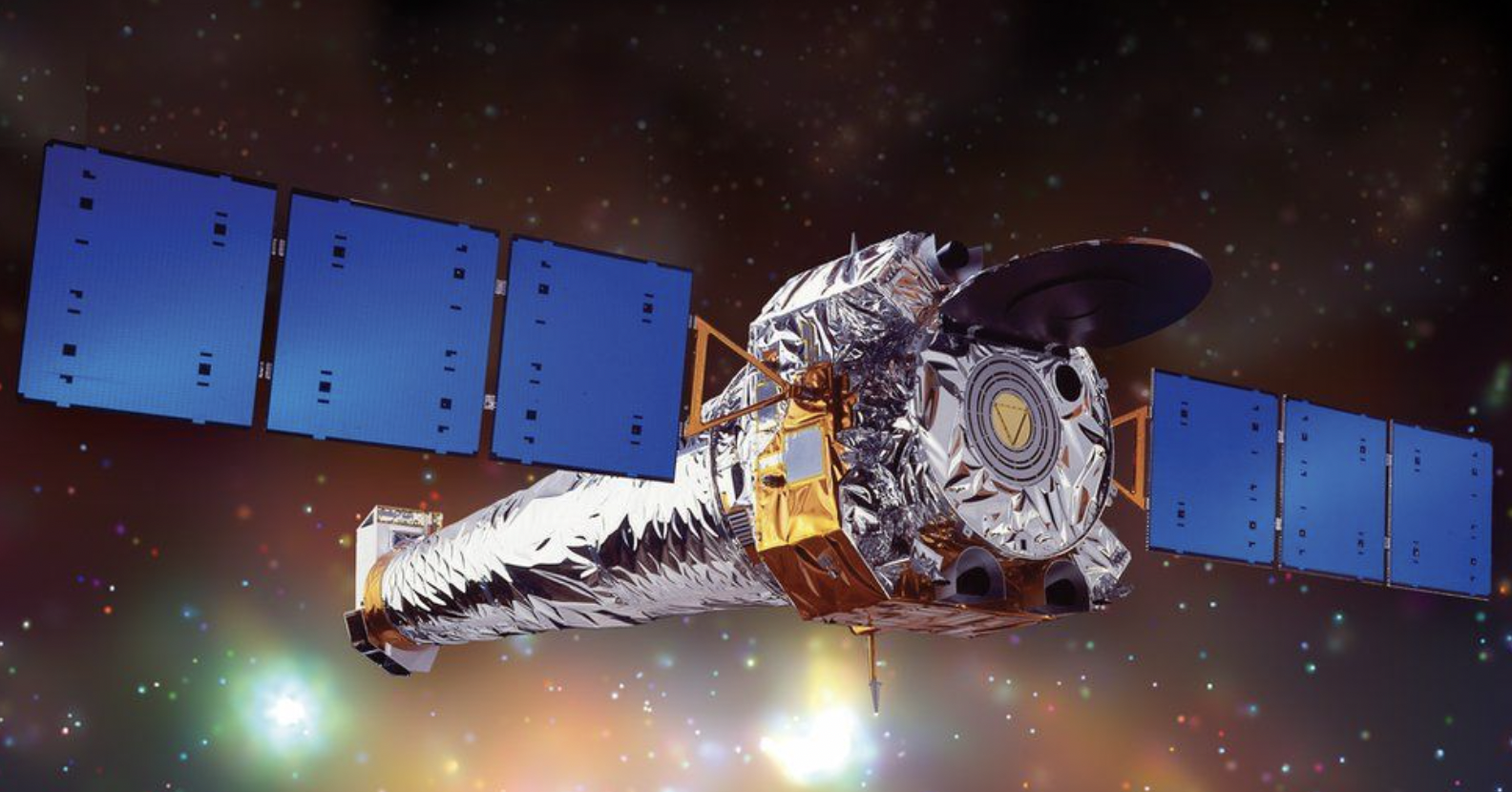 The Chandra Telescope/Via NASA[/caption]
The planet is located 28 million light-years away from our own galaxy and is one of nearly 5,000 "exoplanets" that have been found so far.
Exoplanets are essentially planets outside of our own galaxy, which are picked up through cosmic hints and subtle nods.
Telescopes pick up on so-called 'transits' which show potential planets moving in front of a star and blocking a portion of its light. Our high powered telescopes can pick up the characteristic dip in brightness here on Earth - hence why it's a common belief these are planetary bodies.
Dr Rosanne Di Stefano and her colleagues look for dips in the brightness of X-rays picked up by an object known as an X-Ray Bright Binary.
[caption id="attachment_296223" align="alignnone" width="2038"]
The Chandra Telescope/Via NASA[/caption]
The planet is located 28 million light-years away from our own galaxy and is one of nearly 5,000 "exoplanets" that have been found so far.
Exoplanets are essentially planets outside of our own galaxy, which are picked up through cosmic hints and subtle nods.
Telescopes pick up on so-called 'transits' which show potential planets moving in front of a star and blocking a portion of its light. Our high powered telescopes can pick up the characteristic dip in brightness here on Earth - hence why it's a common belief these are planetary bodies.
Dr Rosanne Di Stefano and her colleagues look for dips in the brightness of X-rays picked up by an object known as an X-Ray Bright Binary.
[caption id="attachment_296223" align="alignnone" width="2038"]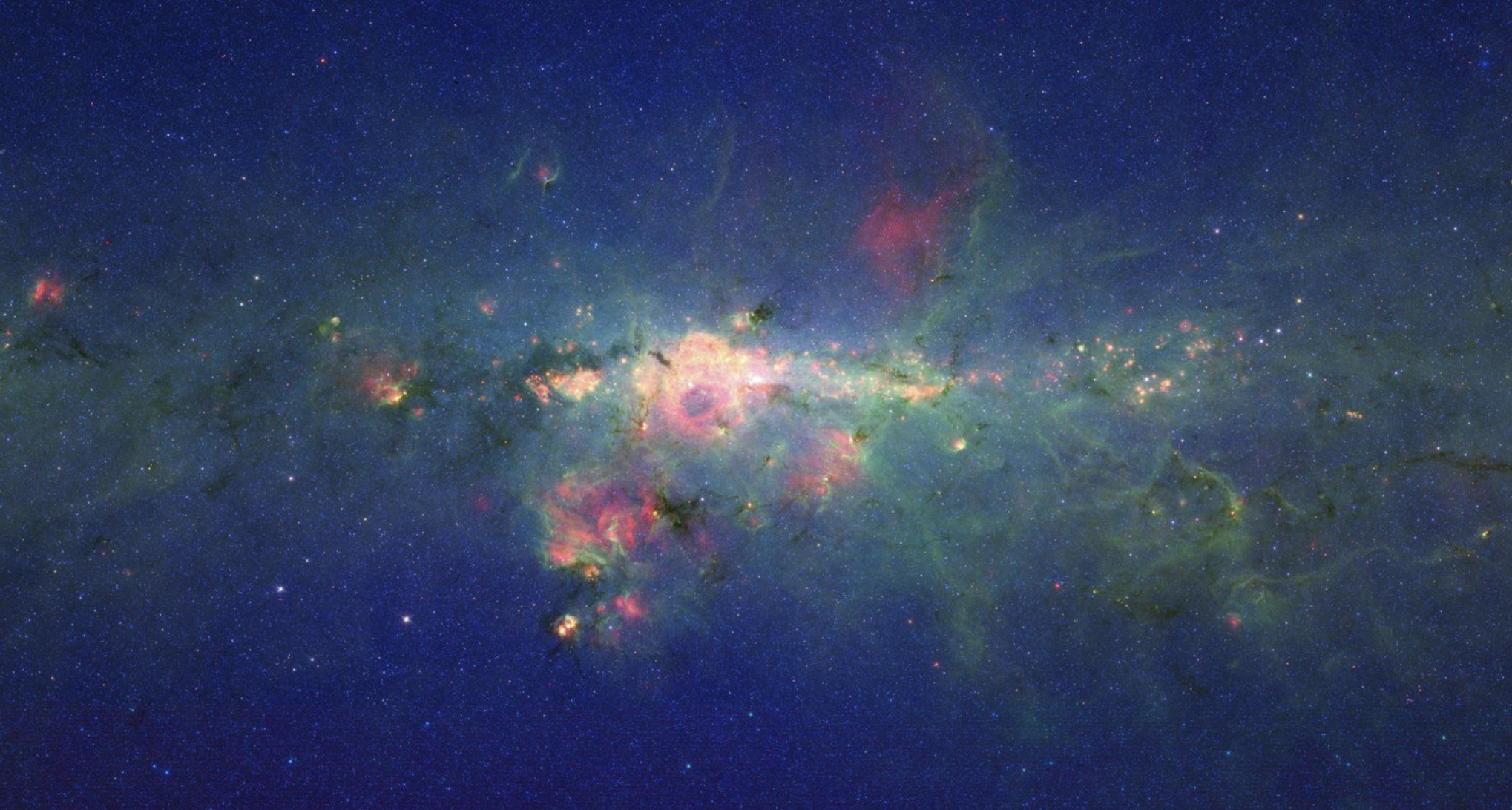 Our Galaxy/Via NASA[/caption]
These objects usually contain a neutron star or black hole that sucks in gas from nearby orbiting stars. The space material near the mass becomes superheated as a result and glows at X-Ray wavelengths.
Planets that pass by this glowing mass of space gas are then picked up back on Earth.
"The method we developed and employed is the only presently implementable method to discover planetary systems in other galaxies," Dr Di Stefano told the BBC.
"It is a unique method, uniquely well-suited to finding planets around X-ray binaries at any distance from which we can measure a light curve."
Related links:
Our Galaxy/Via NASA[/caption]
These objects usually contain a neutron star or black hole that sucks in gas from nearby orbiting stars. The space material near the mass becomes superheated as a result and glows at X-Ray wavelengths.
Planets that pass by this glowing mass of space gas are then picked up back on Earth.
"The method we developed and employed is the only presently implementable method to discover planetary systems in other galaxies," Dr Di Stefano told the BBC.
"It is a unique method, uniquely well-suited to finding planets around X-ray binaries at any distance from which we can measure a light curve."
Related links:

News

News

News

News
Rejoining EU could boost UK economy by £150bn – Goldman Sachs
Analysts from the bank reckon a ‘Breturn’ would boost the UK economy by 2-5% by the start of the next decade. Goldman Sachs has said rejoining the European Union could boost the UK economy by as much as £150 billion. In a note to clients, the Wall Street bank voiced its support for Andy Burnham’s […]
News
1 day ago
Travel chaos across Italian airports after air traffic control failure
Air traffic management capacity has been slashed in half Travel chaos has struck Italy’s major airports after an air traffic control failure left capacity halved on Friday. Hundreds of flights across Italy have been delayed and over 100 cancelled due to “anomalies” with air traffic control (ATC) services. The Italian air navigation service provider, ENAV, […]
News
1 day ago

News
Abu Dhabi Royal was found passed out on street in London after ‘cocaine binge’
News