






News

Share
Published 13:53 23 Jun 2025 BST
Updated 13:53 23 Jun 2025 BST
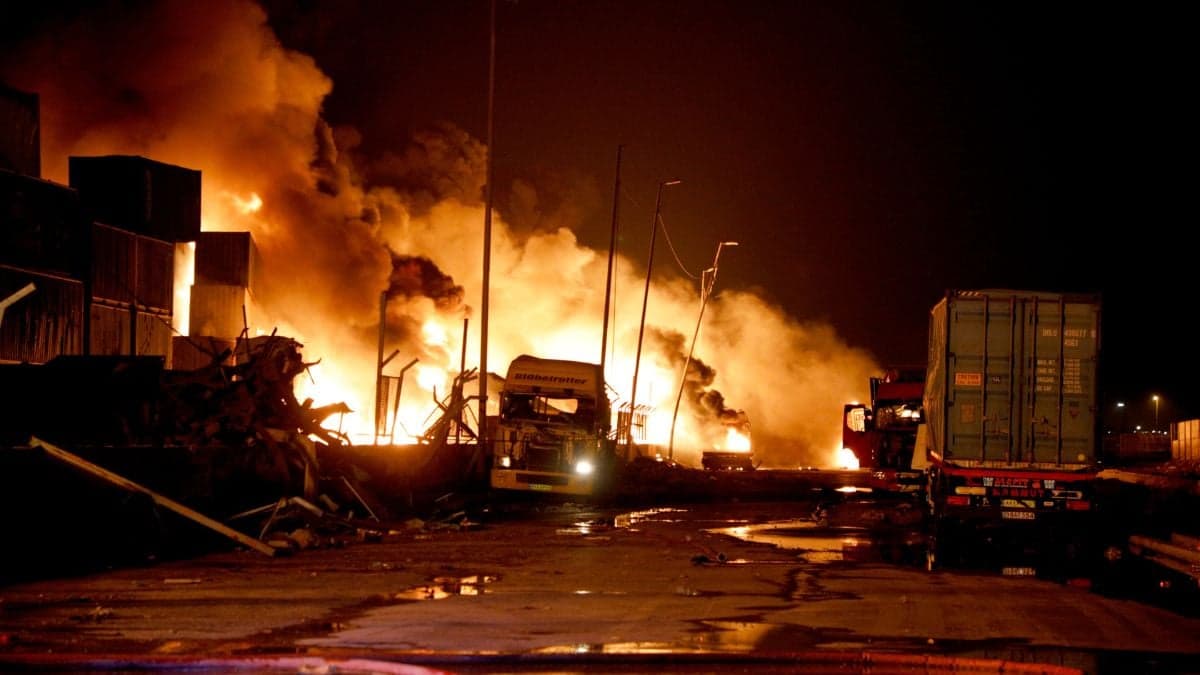
As the conflict between Israel and Iran continues to intensify with the US now involved, concerns have been raised about the most strategic oil checkpoint in the world.
Worries have been expressed about how detrimental the war could be to the steady flow of Gulf oil shipments to Europe, the US and Asia.
The focus lies on the Strait of Hormuz after Iran's parliament voted to approve its closure yesterday (June 22). The decision still awaits its stamp of approval by the country's Supreme National Security Council.
Adam Lakhani, security director at International SOS, claims that shutting the 103-mile stretch of the sea could cause a larger market turbulence than the Russian invasion of Ukraine and COVID-19, per Metro.
Lakhani claims that the price of oil could jump from the current $71.77 to $120 per barrel.
"Iran has a very well-established naval base in the city of Bandar Abbas and it has a strong naval capability," Lakhani explained.
"So whether they decide to pull that lever… is something we are concerned about and are watching very closely."
A fifth of the world's oil is transferred through the shipping lane, which splits Iran on one side and Oman and the UAE on the other, and links the Persian Gulf to the Gulf of Oman and the Arabian Sea in the Indian Ocean.
This is not the first time the Strait (35-60 miles) has been the subject of regional tensions, however, Iran's threat to shut it has caused fear and concern.
The Islamic Revolutionary Guard commander Sardar Esmail Kowsari told the local media that closing the Strait "is under consideration, and Iran will make the best decision with determination."
He continued: "Our hands are wide open when it comes to punishing the enemy, and the military response was only part of our overall response," per Metro.
An obstruction of the Strait of Hormuz would be critical to global energy security.
A momentary inability of any oil to transit can create great supply delays and increase shipping costs drastically, raising world energy prices.
Lekhani stressed that Iran's threat "should be taken seriously".
The threat follows a vessel colliding into two ships sailing nearby, 22 nautical miles east of Khor Fakkan in the UAE.
The Emirati national guard reported it evacuated 24 people from an oil tanker after the crash. The oil tanker, ADALYNN, was bound for Egypts's Suez Canal when the collision in the Gulf of Oman happened.
According to British maritime security firm Ambrey the cause of the incident is ‘not security-related’.
News

News
News

News
School bus fares: no phone means no discount for kids
Parents face costly choice over smartphone and discounted school bus fares An 11-year-old girl in Derbyshire could be left paying hundreds of pounds more for her journey to school simply because she does not have a smartphone. Her mother, Adele Kightley, says the family could face an additional £546 in travel costs over the next […]
News
11h
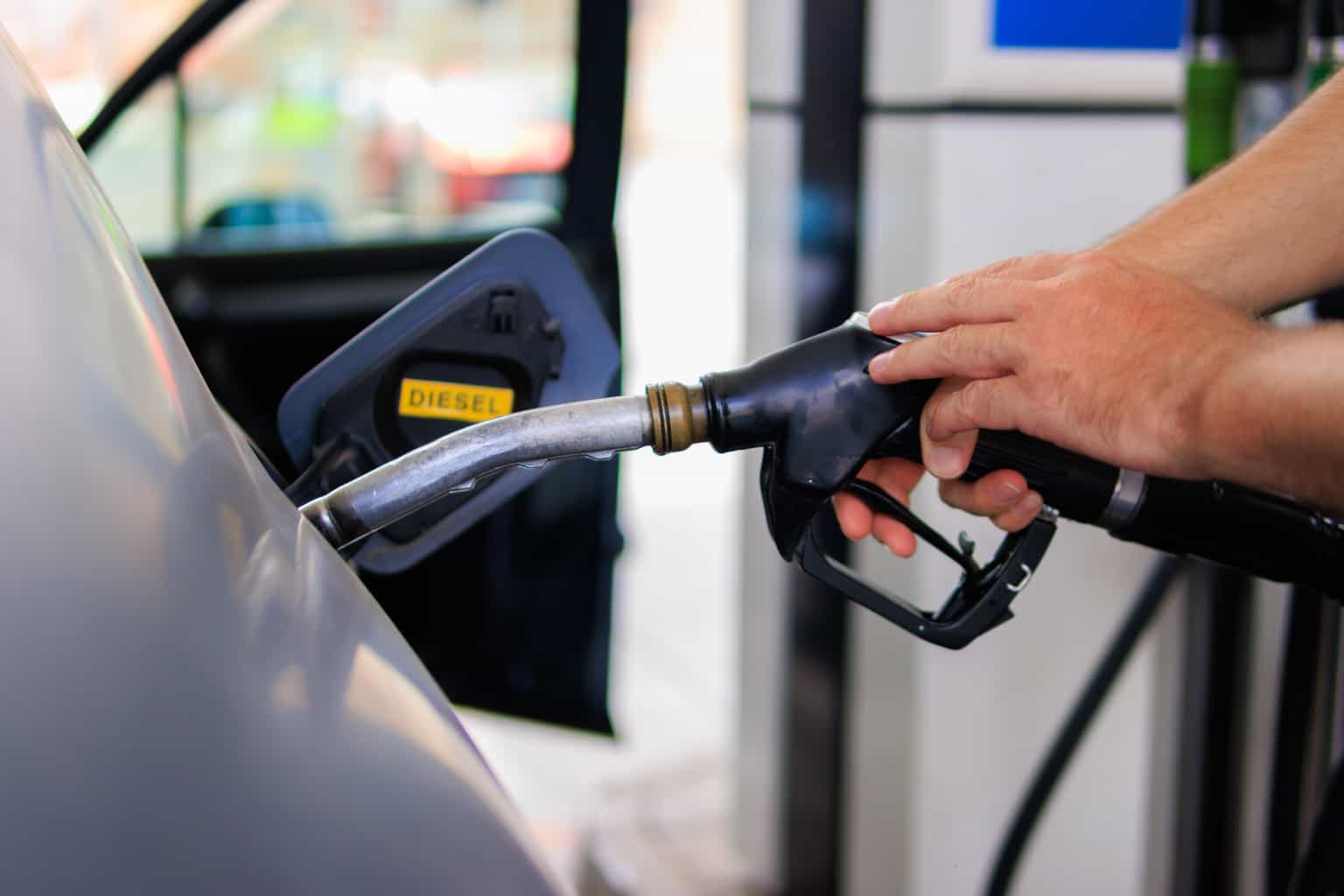
Scottish diesel prices hit £2 a litre at 226 forecourts
‘Absolutely devastated’ Keeping a lorry on the road is becoming increasingly expensive in Scotland, with diesel now costing more than £2 a litre at 226 forecourts across the country. The worst-hit areas are the Highlands and islands, where motorists can pay up to 50p more per litre than customers using supermarket pumps in the central […]
News
11h

News
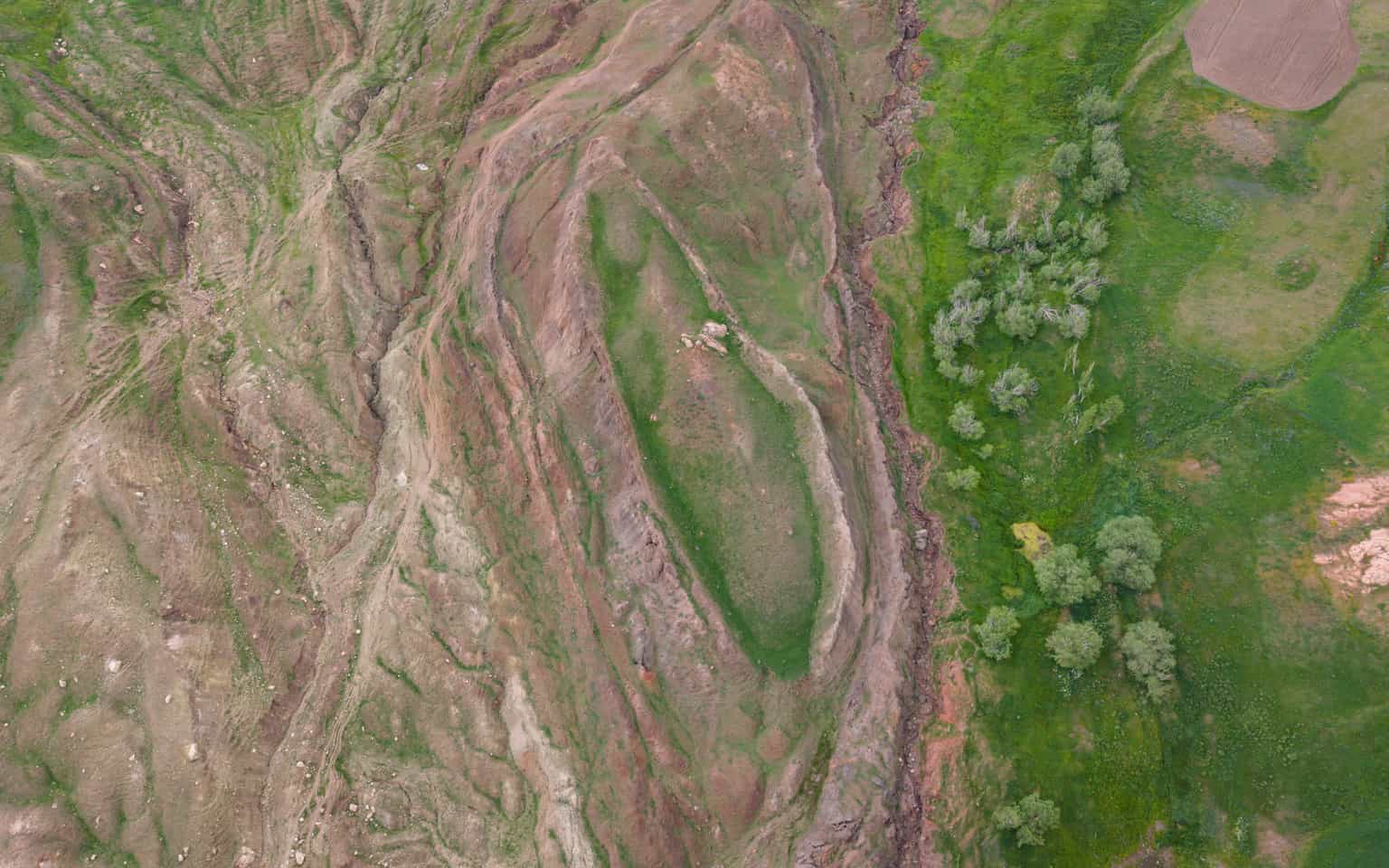
Drilling begins at ‘real site’ of Noah’s Ark as activists warn ‘Darwinism will be dismantled’
News