





News

Share
Published 14:22 6 Jun 2026 BST
Updated 14:22 6 Jun 2026 BST
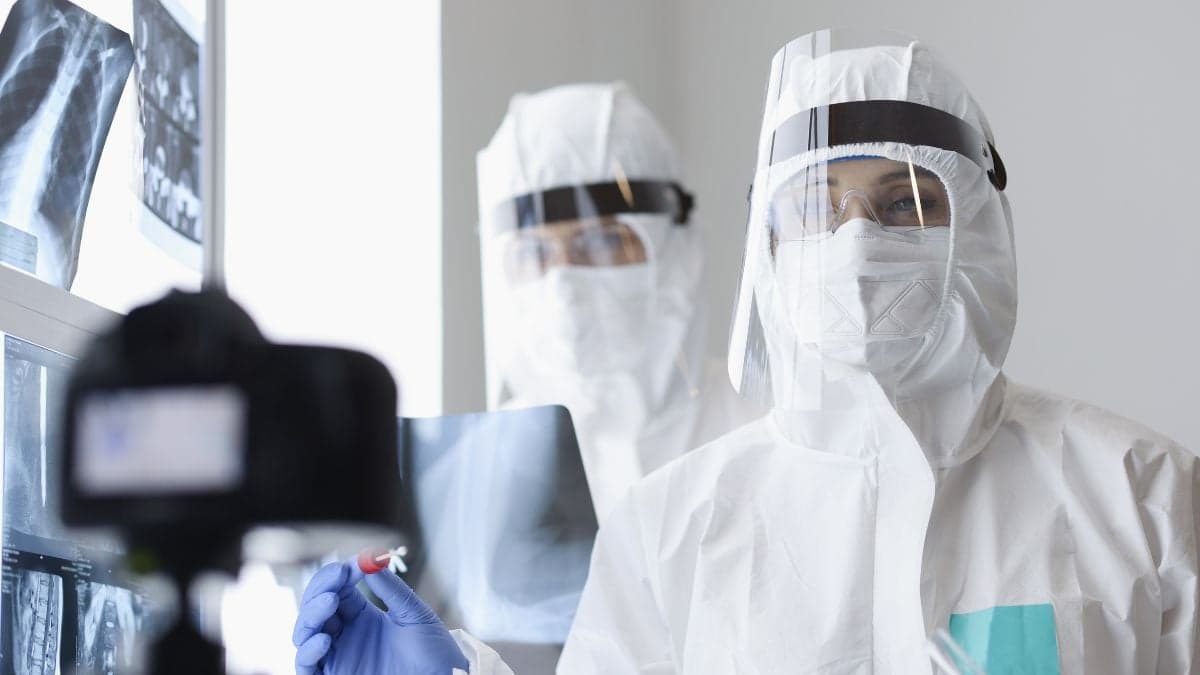
It's been understood that NHS staff are having to prepare for a potential influx of UK Ebola after it was announced there had been an outbreak in central Africa.
According to the UK Health Security Agency (UKHSA), caution is now advised regarding potential infections.
Posters have been plastered across airports and stations across the UK in a bid to warn the public of how the disease, which currently has no cure, is spreading.
As reported by The Sun, the UKHSA has advised GPs and hospitals to ensure they have sufficient personal protective equipment (PPE) in place to manage potential Ebola cases.
Following reports from the Democratic Republic of the Congo of 60 deaths and 344 cases, the World Health Organisation (WHO) has declared the outbreak a Public Health Emergency of International Concern, with neighbouring countries including Uganda also reporting confirmed cases.
The health service has warned the NHS to be alert to anyone they encounter who has been to the DRC within 21 days of attending the practice or hospital.
Additionally, they have been warned of the potential symptoms of Ebola, such as fever and unexplained bleeding.
Symptoms of Ebola can be fatal, with common signs including things like a rash, nausea, vomiting, diarrhoea, abdominal pain leading to multi-organ failure, neurological sequelae [neurological after effects] and death.
Internal or external bleeding may also occur, which can then be seen coming out of a patient’s nose, gums, or genitalia, per the NHS.
However, with a 21-day incubation period, a person may not realise they have Ebola until some of the more serious symptoms occur.
According to the alert, anyone who develops symptoms must be isolated.
“The number of staff in contact with the patient should be restricted, and relatives and visitors must not enter the room,” the alert says.
“Ensure relevant teams within your organisation are aware of the information in this urgent public health message (UPHM).”
It adds: “This particularly applies to microbiology, virology or infectious disease teams but also infection prevention and control (IPC), urgent care, emergency departments, acute medicine, obstetrics, paediatrics and primary care [GP surgeries].”
Ebola is contracted via "direct contact with blood, secretions or other body fluids of an infected person, or indirect contact with contaminated environments or materials," according to the UK Health Security Agency.
Fortunately, it is not thought to have signs of being a ‘natural airborne transmission’.
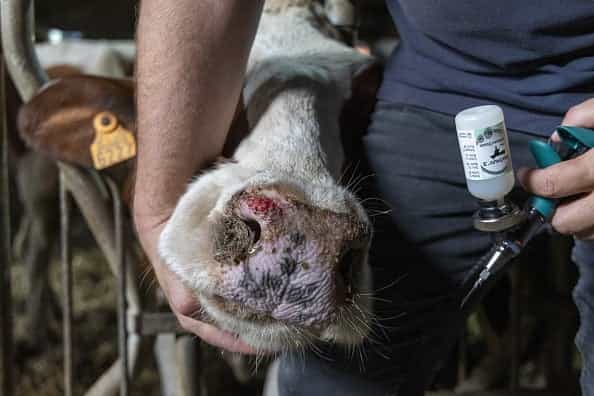
Bluetongue outbreak hits record high on British farms
Why warmer weather is fuelling the bluetongue outbreak A bluetongue outbreak has produced 2,485 cases across Britain this year, already more than the combined total of the previous three seasons, Defra figures show. Defra recorded 2,031 cases in England, 414 in Wales and 40 in Scotland. That is in the three months since the 2026-27 […]
News
1 day ago
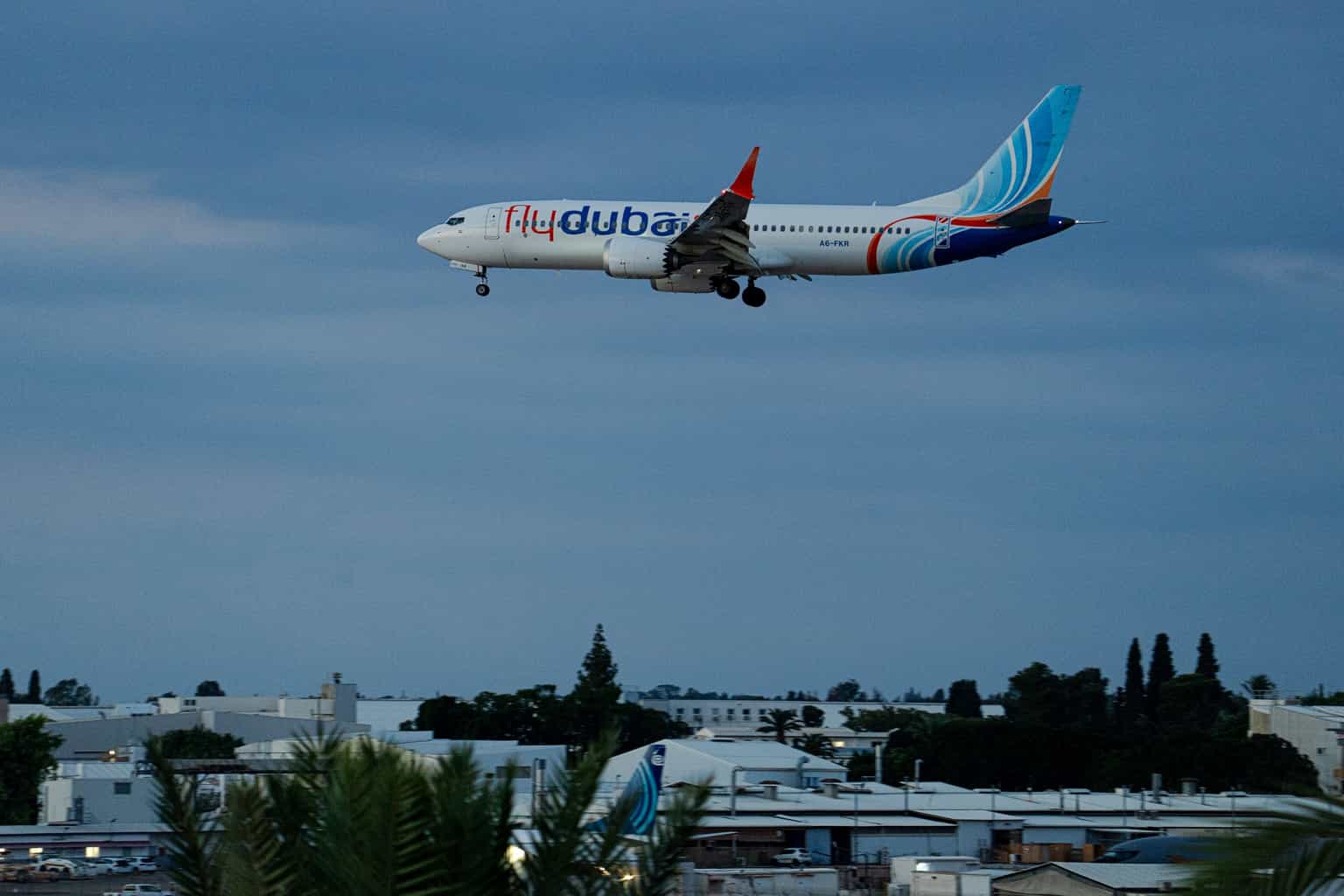
Flydubai axe attack: UAE says co-pilot tried to seize jet
Flydubai axe attack investigation widens The Flydubai axe attack saw an Omani co-pilot attack the captain mid-flight, UAE prosecutors say, in a bid to seize control of the jet to Tel Aviv. The co-pilot attacked the captain with a crash axe mid- flight trying to force his way into the cockpit, prosecutors in the United […]
News
2 days ago

News
First British service death in Ukraine named by coroner
News