








News

Share
Published 12:55 12 Dec 2024 GMT
Updated 17:27 12 Dec 2024 GMT

According to a new poll released by YouGov, the majority of Brits consider themselves to be working class.
George Orwell described Britain as 'the most class-ridden society under the sun'.
While class is becoming less meaningful in modern day society, it does get raised often in political debate.
Now it has been revealed that 56 per cent of Brits describe themselves as working class.
This is an increase from 2019 when 51 per cent of Brits identified as working class.
Meanwhile, 36 per cent would describe themselves as middle class, down three per cent from 2019.
What class do Britons say they are?
— YouGov (@YouGov) December 12, 2024
Middle class: 36%
Working class: 56%
Those in ABC1 households
Middle class: 47%
Working class: 46%
Those in C2DE households
Middle class: 21%
Working class: 70%https://t.co/0H7eZwPDSR pic.twitter.com/NiIR8lezxz
Notably, this differs from more formal social classifications, such as NRS social grade, which divides Britain into ABC1s, the 57 per cent of Britons who are said to live in middle class households, and C2DEs, the 43 per cent considered to live in working class households.
However, of those classed as ABC1s, there is an even split between the 47 per cent who consider themselves to be middle class and the 46 per cent who see themselves as working class. C2DEs more align with expectations, with 70 per cent saying they are working class, although 21 per cent identify as middle class.
Despite the results many Brits are divided on whether belonging to a class actually matters.
Nearly 48 per cent of Britons said it matters at least a fair bit while 45 per cent said it doesn't matter in today's society.
Similarly, just 38 per cent of Britons say they have a strong attachment to their class identity, compared to 43 per cent who describe their attachment as weak.
Those who said they are working class are more strongly attached to their class than those who said they were middle class.
Brits were also divided over what defines class and the distinction between classes.
Just over half of Britons say that someone’s job or income are a major factor in telling whether they are middle or working class. A further three in ten say they are minor factors, while only 10 per cent of Britons would not use either as an indicator of class.
For 45 per cent of Brits, whether somebody went to private or state school is also a major factor in identifying someone’s class, while owning their own home is seen as a key factor for 36 per cent of the public.
A third of Britons see the job someone’s parents did as being a major influence on their class, while 29 per cent say the same of which social activities someone participates in.
Whether or not somebody went to University is seen as an important factor by 19 per cent of Brits.
Explore more on these topics:
News

News
News
News
Wainwright fire kills several at Canada military base
A nearby hospital declared a mass-casualty emergency A fire at a Canadian military base has caused the deaths of several people and left dozens of others injured. The fire broke out at Canadian Forces Base Wainwright on Saturday evening, as per the BBC. According to Canadian broadcaster Global News, which cited unnamed military sources, at […]
News
1 day ago
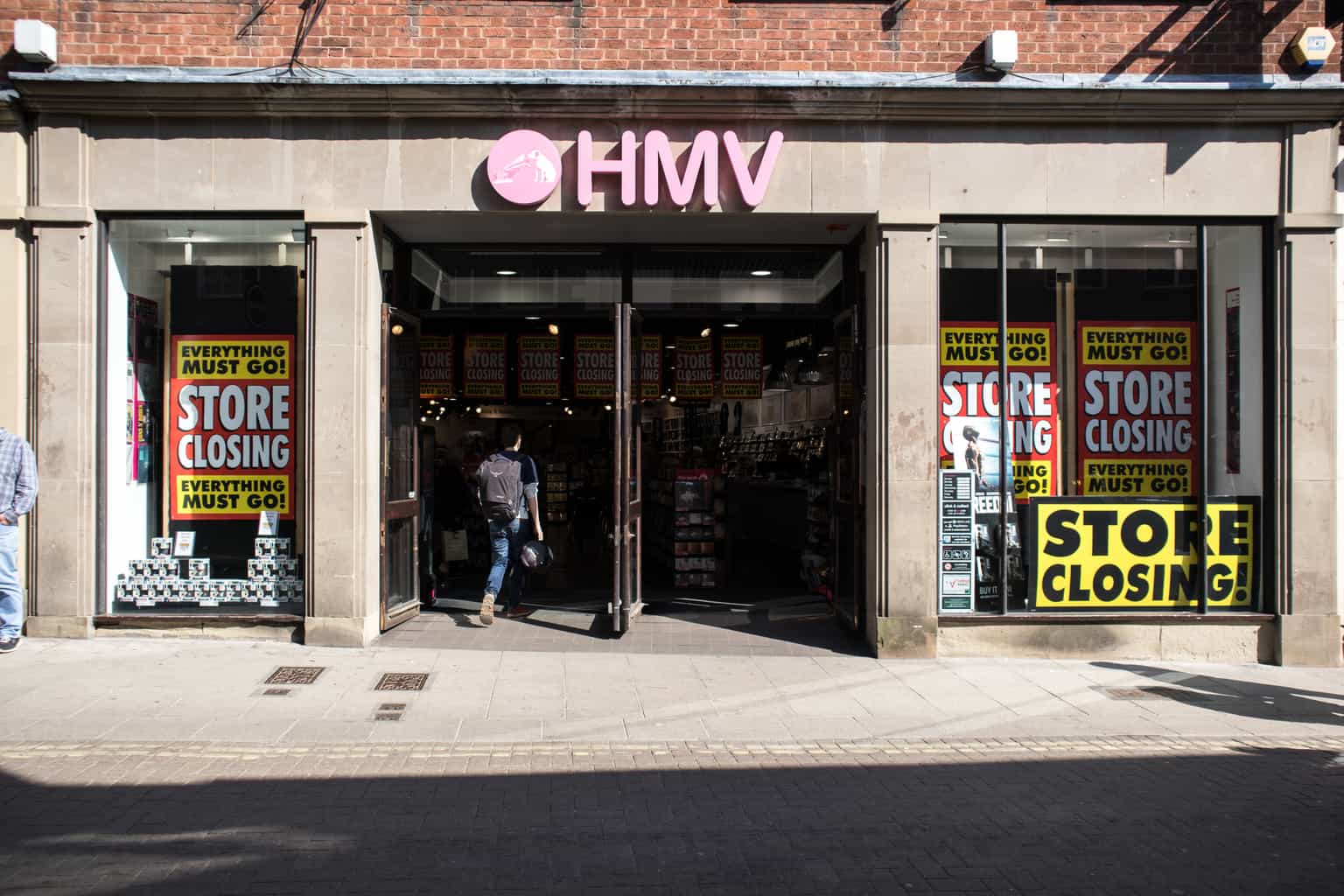
Store closures confirmed as HMV and Typo shut UK shops
More high street closures as retailers battle rising rents The UK retail landscape is set for another shake-up, with four familiar names preparing to close stores as businesses grapple with expensive leases and changing sales. Stationery retailer Typo is withdrawing from the British market altogether, putting its remaining 13 shops at risk of closure. Meanwhile, […]
News
2 days ago

News
Government plans to expand BBC licence fee with proposed ‘YouTube Tax’
News