









News

Share
Published 15:44 13 Aug 2026 BST
Updated 15:45 13 Aug 2026 BST
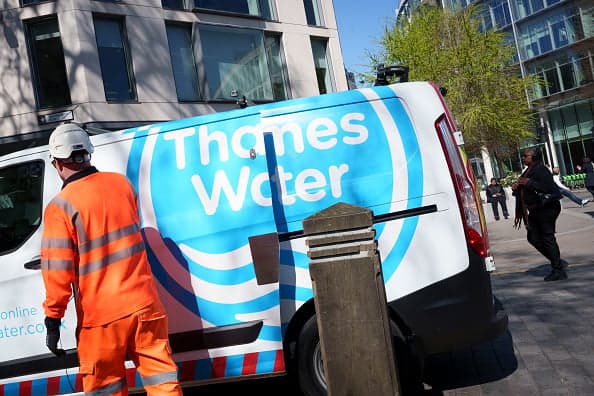
Millions in England and Wales face higher water bills after water companies were given green light to an extra £3.4 billion.
On Thursday, the Water Services Regulation Authority (Ofwat) announced that water suppliers could spend £3.4 billion over the £104 billion cap from this year.
This came as 13 companies requested to be allowed to spend £4.3 billion.
In 2024, Ofwat had approved the cost of water to rise by 36% over the next half of the decade.
The £3.4 billion in extra spending is expected to be invested into varying ‘assets’, including £477 million to enable housebuildings and datacentres development.
Five water suppliers will be allowed to increase water bills before 2030 in order to increase spending.
These five companies are Southern Water, Thames Water, Severn Trent, Wessex Water and South East Water.
The Labour government has set out to build 1.5 million households in order to combat the ongoing housing crisis.
In addition, the government is planning on hosting AI growth zones to attract massive datacentres in the UK.
This raises questions on if the UK has enough resources and water to feed into the government’s ambitions projects.
However, £34 million of the water companies’ investments are said to go into reducing toxic chemicals in water systems, improving drinking water from the tap.
At this time, Ofwat has said it would allow spending from water suppliers as “costs were uncertain or unknown.”
What this means is that further spending could lead to greater outcomes in terms of cleanliness and quantity from water supplies.
Helen Campbell, Executive Director of Delivery at Ofwat, said: “The newly agreed funding will help unlock much-needed new housing development and boost business growth across a range of sectors.
“As well as improving drinking water quality and the removal of Pfas and forever chemicals.”
However, it is not only the government and other organisational bodies that are looking closely at water companies' spending.
Many of us are going to be affected directly by the increasing water bills.
“I know that households across the country are watching every pound and I share their frustration,” said the environment secretary, Angela Eagle.
“Years of underinvestment and toothless regulation has led to this.
“We have already ringfenced money earmarked for new infrastructure so it can only be spent on fixing the problems,” Eagle added.
“And will go further by fundamentally reforming the water sector so that it works for the public.
“Keeping bills as low as they can be, and delivering higher standards, better performance and cleaner waterways.”
Explore more on these topics:

News

News

News

News
Here’s everything we know as rumours circulate that Kim Jong-un ‘has died’
Unconfirmed rumours have spread around the world suggesting that North Korean leader Kim Jong-un may have died after suffering a brain haemorrhage. Rumours have circulated on social media claiming that North Korean leader Kim Jong-un may have died after reportedly suffering a brain haemorrhage and falling into a coma. However, the claims remain unverified. Much […]
News
5h
Priest dies after massive crucifix falls onto him during livestreamed mass
There were gasps and screams inside the church A priest in Ecuador has died following fall of a massive crucifix onto his head, as the mass was being livestreamed. The large wooden cross fell onto Father Sánchez Molinari, 53, while he was giving a sermon inside the church. The incident, in which Molinari was crushed […]
News
7h

News
Brits are apologising for their dodgy Wi-Fi almost twice a week, new research reveals
News