







News

Share
Published 17:03 16 Nov 2025 GMT
Updated 17:03 16 Nov 2025 GMT
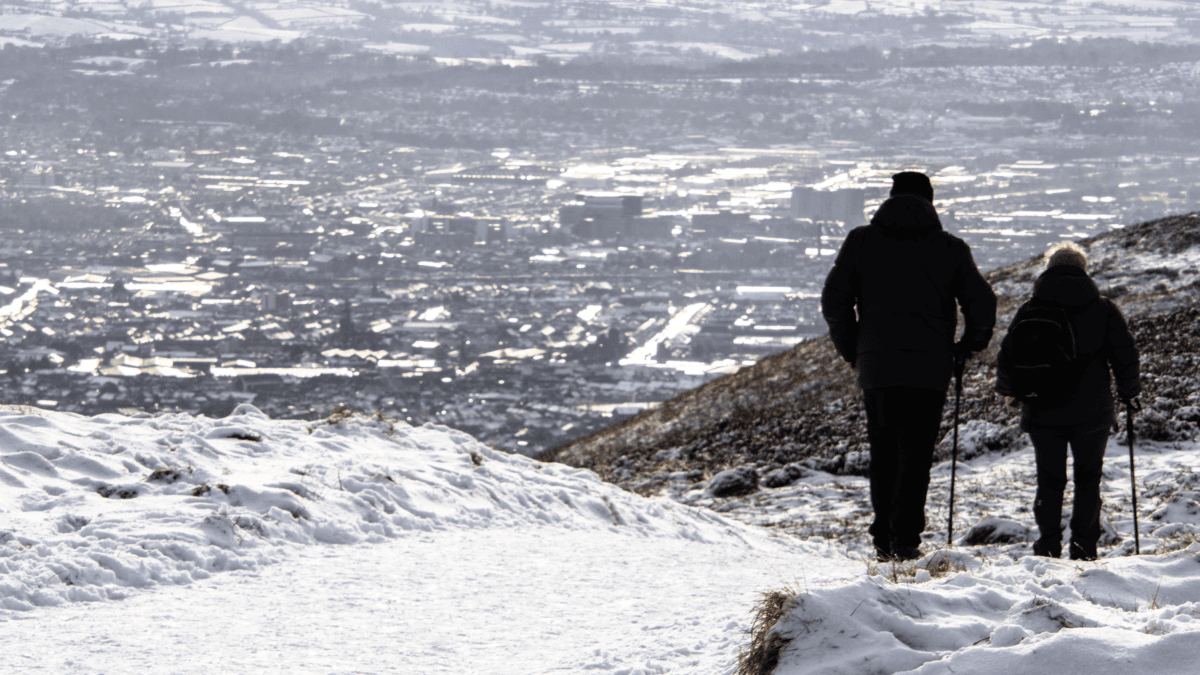
The Met Office has revealed which parts of the UK have the potential to receive snow this week.
It comes after Storm Claudia battered the country, leaving many areas flooded, with a major incident being declared in Monmouthshire after the River Monnow burst its banks.
However, looking ahead to the next few days, it seems the weather is taking yet another turn.
Dan Holley, deputy chief meteorologist at the Met Office, said the cold snap will be caused by high pressure to the northwest.
The high pressure "will drive a cold northerly flow from the Arctic", and bring "much colder conditions than of late".
The Met Office forecasts that temperatures could plummet to as low as minus 7 degrees.
“It’s certainly going to turn much colder over the next couple of days, there will be an eight to 10 degree drop in temperature, you will be struggling to get double figures,” Simon Partridge of the Met Office told The Independent.
“We will probably see our first widespread countrywide frost on Monday morning and the lowest temperatures will be somewhere between minus 5C and minus 7C.”
Areas of the UK that will be exposed to the northerly winds have the potential to see snow fall.
“On Tuesday, there is a small area of low pressure that is going to bring in a band of rain, sleet and hill snow,” Partridge said.
The Met Office predicts that snow could hit areas of Scotland, Northern Ireland, the North Yorkshire Moors, west Wales and the moors of southwest England from Tuesday.
There is also potential for snow on Wednesday, but Thursday is expected to be dry and sunny, albeit with overnight frosts.
Holley, said: “As Storm Claudia retreats to the south, high pressure to the northwest will drive a cold northerly flow from the Arctic across the UK. This will bring much colder conditions than of late and, whilst generally drier than recent days, there will also be a risk of wintry hazards, such as snow and ice.
“There will be widespread frosts across the UK, with temperatures dipping as low as -7°C in places next week, and daytime temperatures staying in single figures across the country.
"Couple this with a brisk northerly wind, and there will be a marked wind chill.
"This will be a notable change in our weather after a prolonged spell of above-average temperatures. People should keep an eye on the forecast in their area as it is possible warnings may be issued for snow and ice at times.”
Explore more on these topics:

News
News

News

Historic pier partially collapses into sea as Storm Austen batters UK
The first named storm of the season has lived up to expectations A historic pier has collapsed into the sea as Storm Austen batters the UK with winds beyond 100mph. Strong wind and heavy rain have caused plenty of chaos across the country, from closed airports and disrupted train services to felled trees and even […]
News
2 days ago
Vincent Kompany taken to hospital after collapsing at Bayern Munich training ground
He collapsed while watching the second team train Bayern Munich manager Vincent Kompany has been rushed to hospital after collapsing at the club’s training ground on Friday. The former Man City centre-back had been battling a virus, subsequently missing a news conference on Tuesday ahead of the German club’s show down with Arsenal. A club […]
News
2 days ago
News
Rheinmetall’s new Telford factory brings tank barrel production back to the UK
News