








News

Share
Published 10:13 26 Aug 2026 BST
Updated 10:17 26 Aug 2026 BST
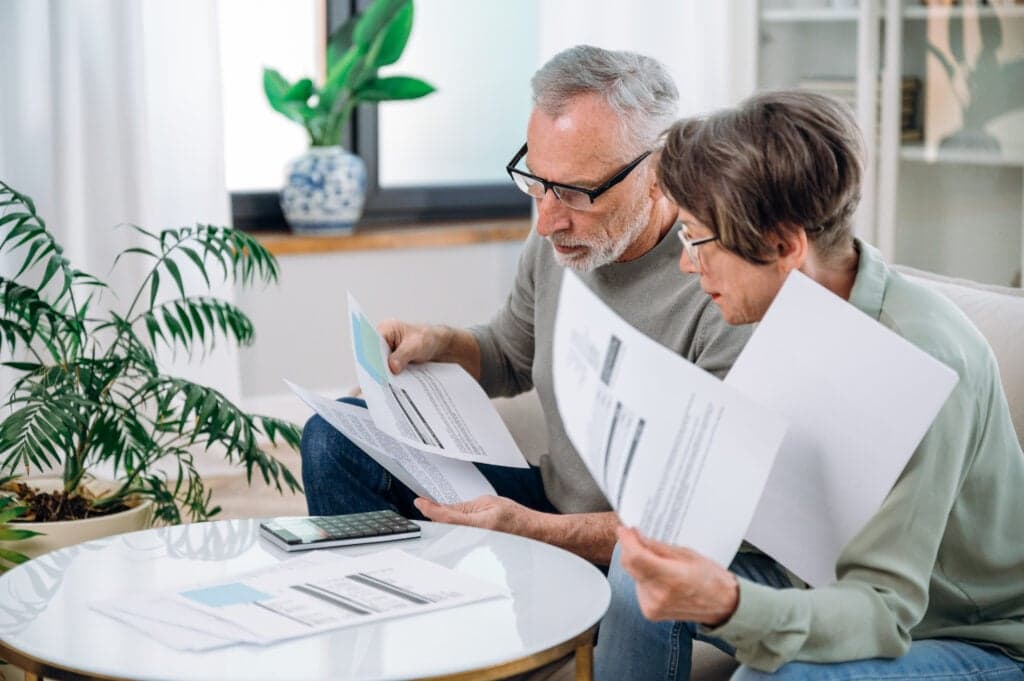
The latest price cap is set to make things even tighter for millions of households heading into winter. From 1 October, energy prices will rise by 4%, taking the typical annual dual-fuel bill to £1,723, about £60 more over the year, or an extra £5 a month. It is also the highest level bills have reached in three years.
The timing is particularly unfortunate, with the increase arriving just as people start turning their heating back on. That is despite the government cutting VAT on electricity bills in an attempt to ease the pressure, while households are already dealing with upheaval across Britain's energy industry and other changes hitting household budgets.
Ofgem says the latest increase is largely down to expensive wholesale energy prices, with international gas costs continuing to drive up bills. The conflict with Iran has disrupted supplies, while heatwaves across Europe have increased demand for gas-fired power as households and businesses rely more heavily on air conditioning.
Neil Kenward, Ofgem’s director general for markets, also welcomed the government’s decision to remove VAT from electricity bills, saying that without the change, households would have faced even higher costs this winter.
The cap sets a limit on the unit price of gas and electricity, not the overall bill, so households using more energy will still face higher costs.
Ofgem has also lowered its estimate of what a “typical” household uses, saying people have reduced their energy consumption after years of high prices, while improvements in energy efficiency have also helped.
Energy Secretary Miatta Fahnbulleh acknowledged the pressure on households, saying families would be "understandably concerned about the cost of energy bills this winter, which is being driven up by the Iran war". She pointed to the VAT cut from October and the £150 already removed from bills earlier this year.
Energy is an everyday essential and it needs to be affordable for everyone, which is why we have cut VAT on electricity bills from October, to give families some breathing space.
Miatta Fahnbulleh, Energy Secretary
Pressed on whether the government's measures cover the increase, the energy secretary told Sky News: "It doesn't, but it helps. So it's £45 lower than it would have been had we not acted. But look, we know that there is more that we need to do."
Around 35% of households, or roughly 11 million, are already on fixed-rate tariffs, so they will not be affected by the October increase. Ofgem also says there are fixed deals available for £100 or more below the new price cap.
For everyone else, though, the bigger concern could come after Christmas, with Cornwall Insight forecasting a further 9% rise in domestic energy prices in the new year, just as temperatures are at their lowest.
Suppliers have also warned that energy debt is rising sharply and are calling for more support for customers struggling to pay, BBC News reported.
The real concern, then, is that households are facing another rise in costs at the exact time of year when energy use is hardest to avoid, with another potential increase already waiting beyond Christmas.
Explore more on these topics:

News

News
News

News
Rejoining EU could boost UK economy by £150bn – Goldman Sachs
Analysts from the bank reckon a ‘Breturn’ would boost the UK economy by 2-5% by the start of the next decade. Goldman Sachs has said rejoining the European Union could boost the UK economy by as much as £150 billion. In a note to clients, the Wall Street bank voiced its support for Andy Burnham’s […]
News
15h
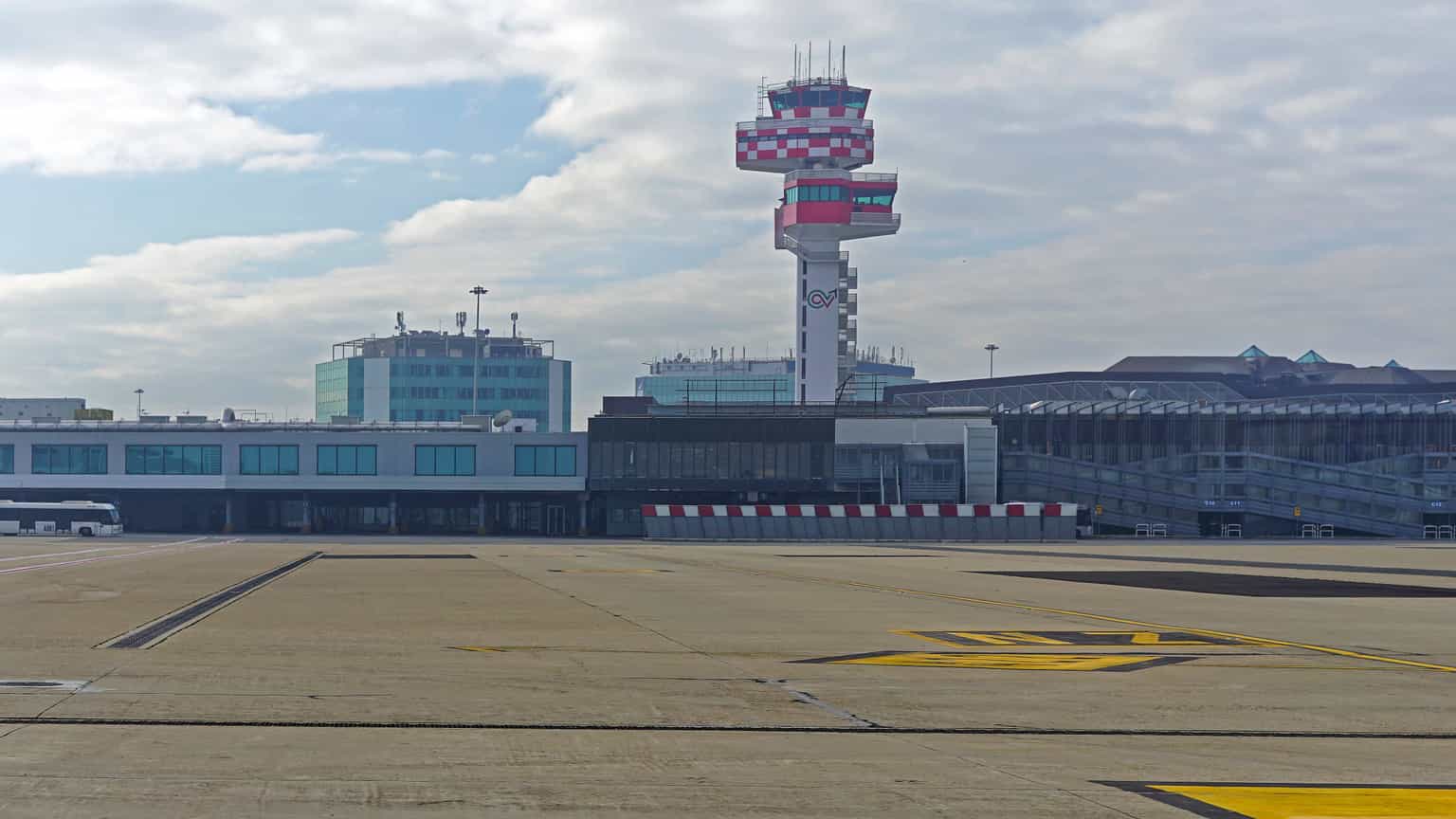
Travel chaos across Italian airports after air traffic control failure
Air traffic management capacity has been slashed in half Travel chaos has struck Italy’s major airports after an air traffic control failure left capacity halved on Friday. Hundreds of flights across Italy have been delayed and over 100 cancelled due to “anomalies” with air traffic control (ATC) services. The Italian air navigation service provider, ENAV, […]
News
21h
News
Abu Dhabi Royal was found passed out on street in London after ‘cocaine binge’
News