







News

Share
Published 07:15 27 Aug 2026 BST
Updated 07:25 27 Aug 2026 BST
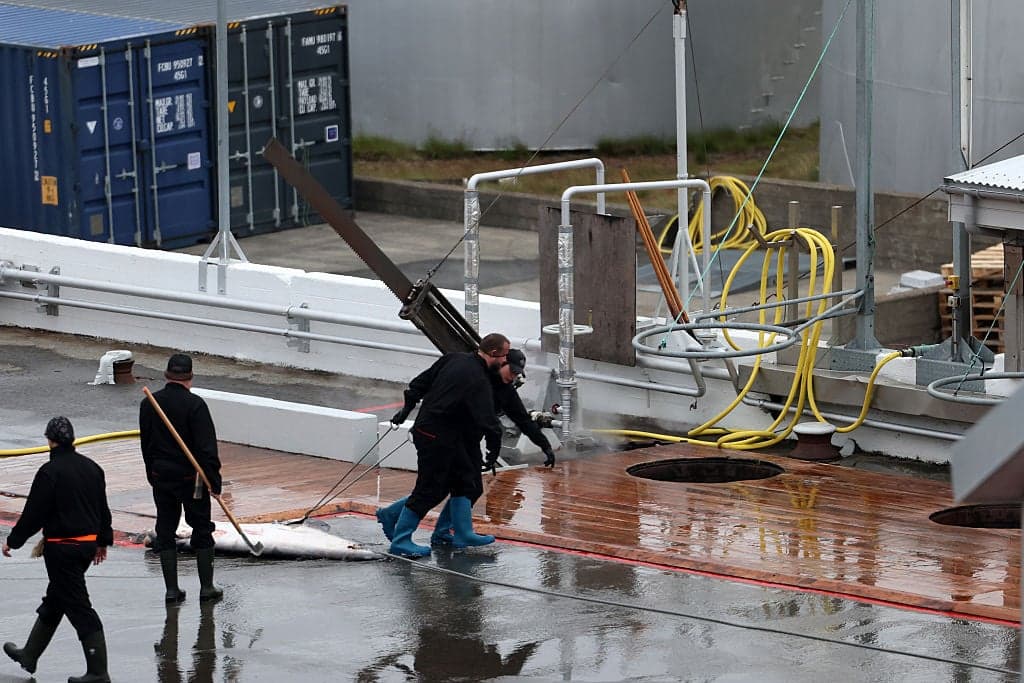
In Iceland, inside a waterfront factory, workers in hairnets and blue overalls sort freshly caught cod and haddock while machines turn them into fillets, most of them bound for Europe.
However, Pétur Pálsson, who runs the Vísir fishing company, does not want the European Union anywhere near the process.
Days before the Iceland EU referendum that will decide whether his industry answers to Brussels, he told the BBC in Reykjavík: “If we are in the EU, they will be the ones who make the policy.”
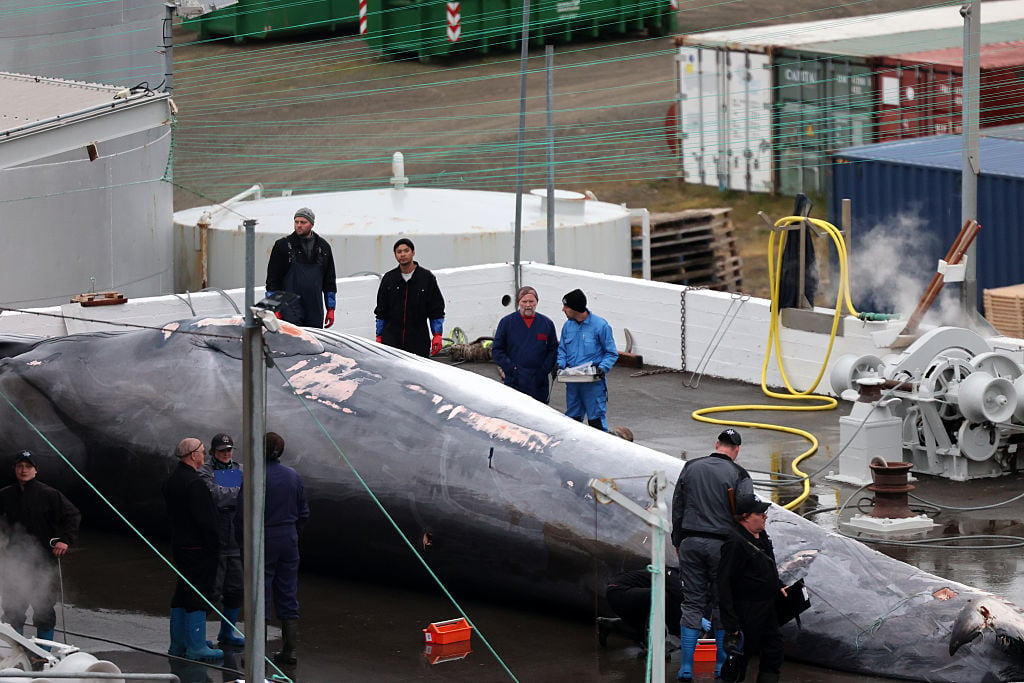
The vote on Saturday asks roughly 400,000 people in the country whether to restart talks on joining the blo, and the polls say it is too close to call.
According to the supporters, closer European ties could tame a volatile currency and a punishing cost of living.
Meanwhile, opponents say sovereignty and control of “priceless” fishing waters are on the table. It is a fault line that has split Icelanders for decades, and this week it finally gets an answer.
A referendum by 2027 was pledged by Prime Minister Kristrún Frostadóttir’s centre-left government, after winning a snap election in 2024.
Events pulled the date forward, as Russia’s war in Ukraine, sharpening rivalries in the Arctic, and Donald Trump’s tariff threats and designs on Greenland have all pushed Iceland’s place in the world up the agenda.
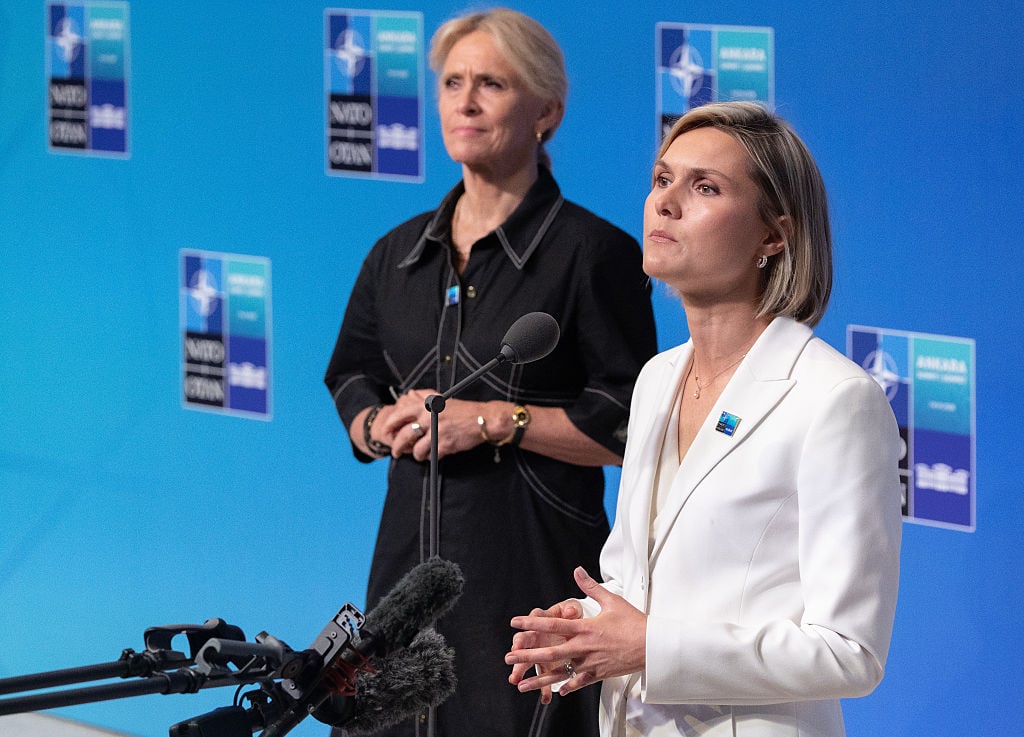
“Things have been moving very rapidly with respect to geopolitical challenges,” Finance Minister Daði Már Kristófersson told the BBC.
Geography explains a lot of it, as Iceland sits high in the North Atlantic beside the GIUK gap, the strategic stretch of sea where the West monitors Russian maritime activity.
This is the same watchfulness that has seen RAF jets scrambled to intercept Russian aircraft near British airspace, and that made a Russian missile landing inside Poland such an alarming moment for Nato.
Iceland is a founding member of the alliance, but it also has no military of its own.
Fisheries and other marine industries account for almost 40% of Iceland’s exports, which is why a vote ostensibly about Brussels keeps coming back to the sea.
The No campaign has run with the slogan “Iceland for sale? No thanks” — a line that lands hard in towns where the fish factory is the employer.
For Pálsson, EU membership is not an abstraction about treaties; it is a question of whether the jobs stay or the factories move abroad.
The Yes side’s case is economic in a different register: a small, exposed krona, imported inflation and the argument that a country of 400,000 people gets more protection inside a bloc than outside it.
Kristófersson’s Liberal Reform party is one of the leading voices for it.
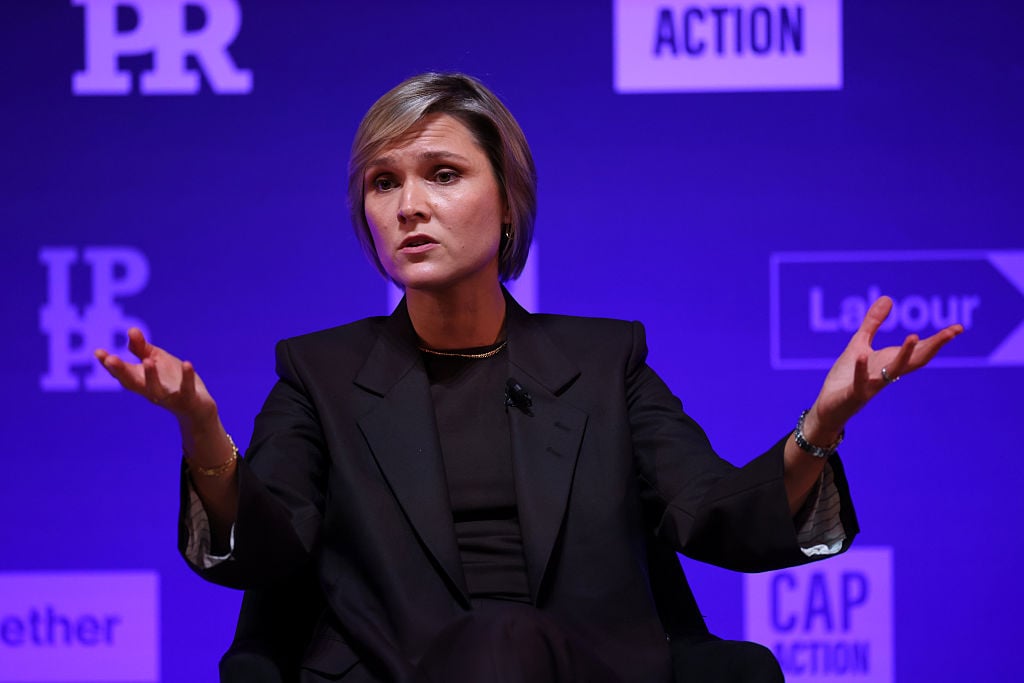
The numbers are brutal, as one poll this week put Yes ahead by 51.3% to 48.7%; an earlier one had the two camps level.
“It’s impossibly [hard] to predict,” said Eiríkur Bergmann, professor of politics at Bifröst University. “Both camps are throwing everything they have at it.”
A Yes vote would not make Iceland a member state. It would only restart accession talks, and the fishing chapter would be the hardest one to close.
Back in the factory in Reykjavík, the cod keeps arriving and the fillets keep heading for Europe, whichever way Saturday goes, that much does not change.
Explore more on these topics:

News

News

News

News
Piers Morgan urges Trump to side with Ukraine against ‘modern-day Hitler’ Putin
‘Give this guy the support he needs to defeat the modern-day Hitler.’ Piers Morgan has urged Donald Trump to side with Ukraine and Volodymyr Zelensky in their war against Russia. There have been strained tensions this week between Ukraine and the US as Trump has cosied up to Vladimir Putin with diesel deals and sham […]
News
1 day ago
Execution of mass killer will not be livestreamed, Trump says
The US president has done a U-turn The execution of a Nidal Malik Hasan will no longer be livestreamed, US President Donald Trump has said. Last week, it was announced that the execution of Hasan, the man behind the Fort Hood shooting, would be livestreamed. The shooting, which happened in Texas in 2009, killed 13 […]
News
1 day ago
Royal Mail ‘on brink of collapse’ as 400 workers reportedly quit every week
News