




News

Share
Published 16:22 7 Sept 2026 BST
Updated 16:23 7 Sept 2026 BST
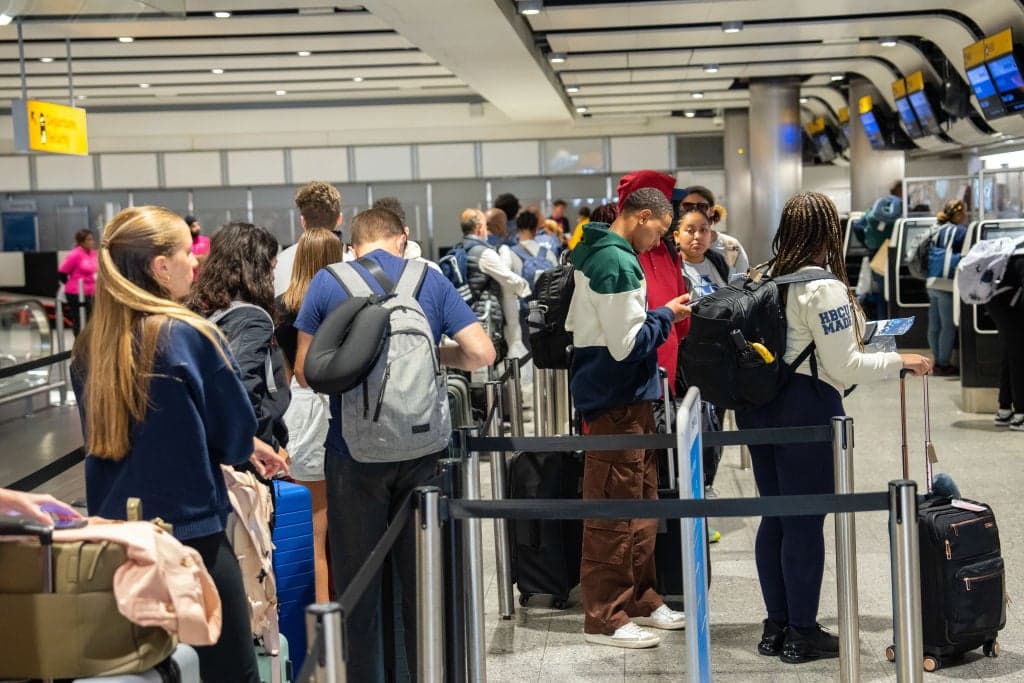
Airport closures have extended following volcanic ash from eruption of Mount Anak Krakatau in Indonesia, as more than 1,500 flights have been delayed.
Seven airports in Indonesia, including two serving the capital Jakarta, on Monday morning remained closed due to volcanic ash from eruptions, the country’s transport minister revealed.
Since it erupted late on Friday, ash from Mount Anak Krakatau has blanketed Jakarta and several surrounding areas.
This has led to the closure of the airports for safety reasons.
According to the transport ministry, the flight cancellations following the eruption have affected 170,000 people.
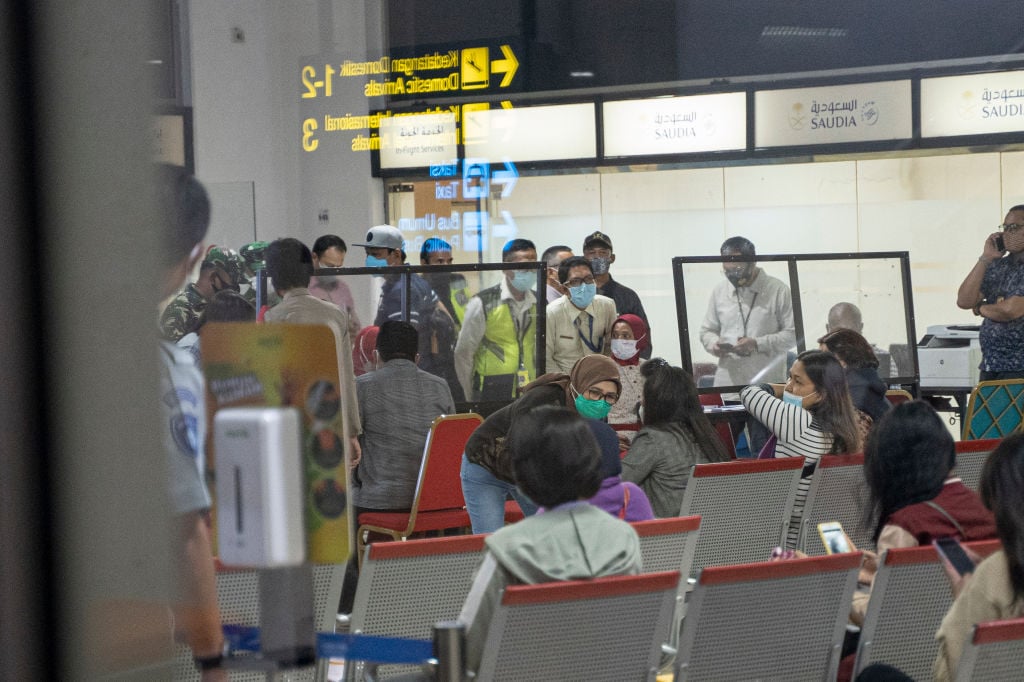
As per the airport authority, the suspension at Jakarta’s main airport was extended until 6pm Monday local time, along with six other airports.
Dudy Purwagandhi, the transport minister, said: “We cannot ascertain when this will end due to the dynamic weather.”
Meanwhile, the ministry said in a statement on Sunday that “to date, 1,558 flights have been delayed at the eight affected airports, with 170,000 passengers stranded.”
The Geology Agency of Indonesia said that eruptions of Anak Krakatau on Saturday produced a fountain of lava and booming sounds that could be heard up to a few hundred kilometres away.
The volcano monitoring agency’s website, meanwhile, showed that the most recent eruption occurred on Sunday at 8.23pm, warning on Monday that “the probability of further eruptions in the coming periods remains high”.
Ash from the volcano was detected in the airspace surrounding Soekarno-Hatta international airport, prompting authorities to suspend operations, the ministry said.
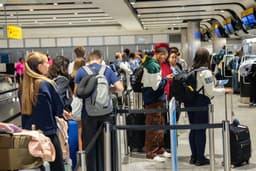
As a result of the disruption, some passengers have been left scrambling to find alternative flights.
Soekarno Hatta Airport and Halim Airport in Jakarta were temporarily closed due to the volcanic ash clouds from Mount Anak Krakatau on 5 September.
While these two airports have now reopened, the UK government said that there are continued flight disruptions and many flights are cancelled or delayed.
Most of the cancelled flights were on routes between Bali and Jakarta, operated by Garuda Indonesia, Indonesia AirAsia, TransNusa, Citilink and Pelita Air, Gede Eka Sandi Asmadi, head of the airport's communication and legal division.
The UK’s Foreign Office (FCDO) has advised against all travel to a number of volcanoes in Indonesia.
The following locations are included in the advice:
• Mount Lewotobi Laki-Laki, on Flores Island, East Nusa Tenggara Province, to within 7km of the crater
• Mount Sinabung, Karo Regency, North Sumatra, to within 5km of the crater
• Mount Marapi, West Sumatra, to within 3km of the crater
• Mount Semeru, Lumajang Regency, East Java, to within 5km of the crater, in the south-east of Mount Semura to within 500m from any riverbank of the Besuk Kobokan river for 13km from the crater
• Mount Ruang, Northern Sulawesi, to within 7km of the crater
• Mount Ibu, North Maluku Province, to within 7km of the crater.
It’s best to contact your holiday provider if you’re looking to postpone your trip, as the conditions for cancelling it will be dependent on them.
Should you decide to cancel, there is no obligation for companies to refund bookings and due to safety concerns, unless government advice changes, you will not be able to claim on your travel insurance.
Some policies, provided that you have travel insurance, include natural disaster cover for an event that prevents you from reaching your holiday destination.
You should speak to your insurer to see where you stand and also make sure to check your insurance policies.
Explore more on these topics:
News
News

News
News
Almost one million women to receive HMRC refund letter
A pension boost could soon arrive in the post A letter from HMRC could soon land on the doormat of around 1.2 million people, and it could be worth checking carefully if you are one of them. The letters explain how eligible workers can claim a pension top-up payment after missing out on tax relief […]
News
2h
Lottery winner explains why she’s given away half of her £115m fortune
Winning the lottery gave her a new purpose Winning the lottery could easily change your life, but for Frances Connolly, it also changed the lives of countless other people. After landing the EuroMillions jackpot prize with her husband Patrick in 2019, she decided that a large part of their fortune should go towards helping other […]
News
2h
News
Major US airport closed after Amazon cargo plane overshoots runway hitting multiple vehicles
News