









News

Share
Published 16:41 12 Jun 2026 BST
Updated 17:32 12 Jun 2026 BST
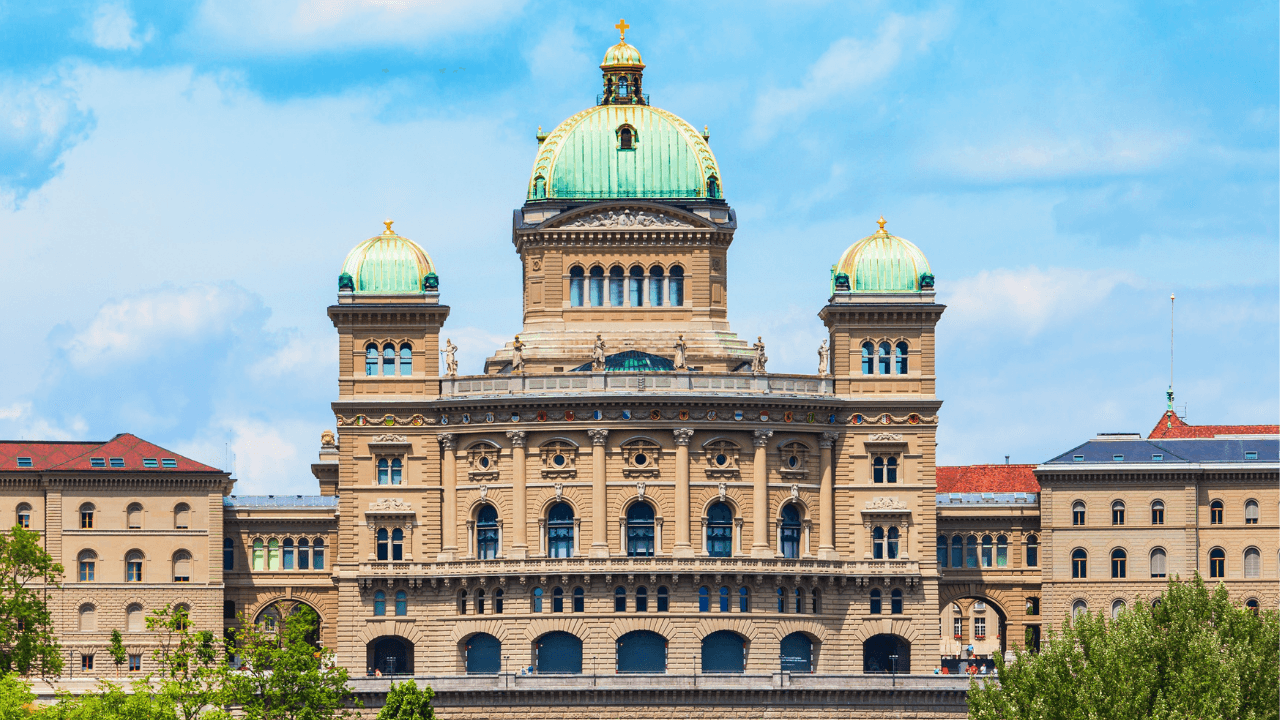
A European nation is set to vote this weekend on introducing the world's first ever population cap.
It is no secret that one of the most contentious matters facing our ever-globalising world is that of the movement of people.
Whether for or against, migration is a topic always on the lips of politicians and activists across Europe, from those who encourage in the name of the economy and crucial services to those who oppose it arguing for 'cultural preservation' and services under strain.
Well, while many countries leave the matter up to government to decide, one European nation is letting its residents decide.
This Sunday, people in Switzerland will take to polling centres to vote on an initiative which, if accepted, will introduce a 10 million person population cap.
Thanks to Swiss democracy, citizens often vote in multiple referendums each year on matters ranging from anything such as doing more to support green policies to choosing to buy more fighter jets for the air force.
Often these referendums are born out of "popular initiatives" which have gathered over 100,000 signatures in a petition within 18 months.
While the federal council and Swiss parliament give their recommendations and vote on the matter, ultimately the decision lies with the people.


As with every referendum held in the country, the people behind the initiative, whether the government or an independent group, provide a detailed reasoning in the form of a dossier for why the proposal should be accepted.
The committee behind this initiative says that "Switzerland is facing mass migration bringing a shortage of housing, an increase in rent, the urbanising of the countryside, traffic jams, rammed trains, an increase in crime, a struggling healthcare system and a decrease in the quality of education."
It adds that the initiative "intends on limiting immigration to a reasonable level."
The committee behind the initiative says that the "threshold of 10 million residents must not be crossed before 2050".
As per official data cited in the voting resource pack, 9.1 million people were permanently living in Switzerland at the end of 2025.

The area around Lac Léman (Lake Geneva) is one the most densely populated in the country. Credit: Adobe Stock.
The initiative argues that this cap will help "protect the environment and guarantee the durable conservation of natural resources as well as the efficient functioning of infrastructure, healthcare systems and social insurances."
While the initiative primarily highlights social and economic concerns as a reason to implement the cap, it also took aim at Islam and culture, but expanded little on this matter.
"More than 100,000 extra people arrive each year in Switzerland from the EU, third party nations and through claiming asylum. Islamic culture and foreign morals are imported," it read.
The initiative also outlined measures for what would happen if the threshold put in place was breached - and the consequences would be huge.
While it does not specify how some of these controls would be implemented, it states that the Swiss government would have to "take measures on asylum and family regrouping".
In the case that the population reaches 9.5 million people before 2050, certain measures would be forcibly introduced.
The distribution of temporary visas would be postponed and existing ones cancelled and the process of naturalisation would be halted.
The Swiss federal council would have to negotiate clauses of exception into international agreements which favour demographic growth.
Such renegotiation would likely have an impact on the bilateral agreements between Switzerland and the EU as well as the European Convention on Human Rights, the Geneva Convention and the UN Convention on Rights of a Child.
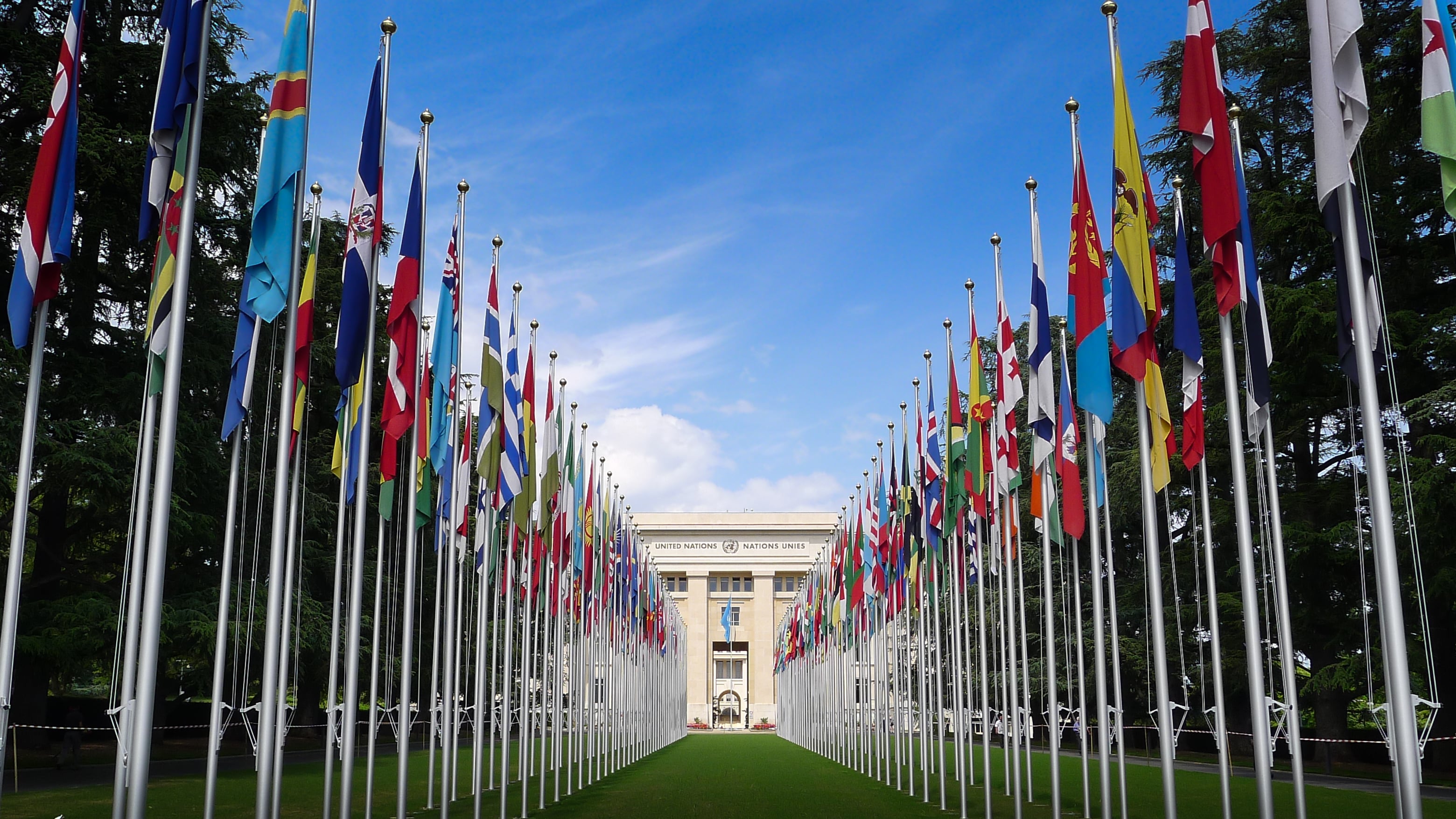
The change could lead to a breakdown in relations with the UN who have a large presence in the country. Credit: Getty.
In the scenario where the 10 million person threshold is passed, the initiative says that the government will have to "take all the available measure to get the population below the bar of 10 million as well as abandon all international agreements in favour of demographic growth."
It adds that in the scenario where the population is not brought back under 10 million two years after it is passed, the agreement of free movement with the EU will be broken.
While the initiative has proven popular in the central European nation, it is not one that the government backs.
The federal council and parliament are both against the cap, citing the initiative as "a source of uncertainty and threatens the stability of Switzerland" which "harms the economy and threatens prosperity and interior safety and will bring large changes to the Swiss Confederation as well as its cantons."
"It will put under scrutiny the bilateral agreements with the EU and our humanitarian tradition," they added.
It highlights how the changes will damage the economy by stopping EU migration which makes up a large part of the work force, notably in the health sector.
It also made note of the counter intuitive consequences the cap would have in actually increasing crime without access to the EU's databases as well as increasing asylum requests by breaking the Dublin Regulation as those who have already applied in the EU will be able to do so again in Switzerland.
The government writes: "The initiative threatens are humanitarian culture. If the nation can no longer respect certain agreements which protect human rights, Switzerland will isolate itself from the international scene and lose its credibility."
It adds that the cap "brings more problems than solutions".
While, the government opposes the cap, if it is ultimately accepted by the population, it will have to carry out the desire of the people and go ahead with preparing with how to meet the requirements of the initiative.
The vote will take place this Sunday, 14 June.
Explore more on these topics:

News


News

News
News
Leaders of Scotland, Wales and Northern Ireland to meet tomorrow in plan to break up UK
The Union could soon be over… Leaders of Scotland, Wales and Northern Ireland are to meet tomorrow to plan on gaining independence from the UK. This comes following a report from The Telegraph which said that leaders are set to sign a “memorandum of understanding” at a summit in Cardiff. The leaders are also expected […]
News
1 day ago
Reform land second £36m donation in the space of 24 hours
Christopher Harborne has matched Ben Delo’s donation Reform UK have landed their second £36m donation in the space of 24 hours after Christopher Harborne matched Ben Delo’s £36m donation. Last night, it was revealed in The Telegraph that crypto billionaire Ben Delo had given £36m to Reform, a donation he announced under his own byline […]
News
2 days ago

News
Swiss Alps coach crash leaves multiple dead as emergency rescue launched
News