









News

Share
Published 06:46 31 Jul 2026 BST
Updated 10:49 31 Jul 2026 BST
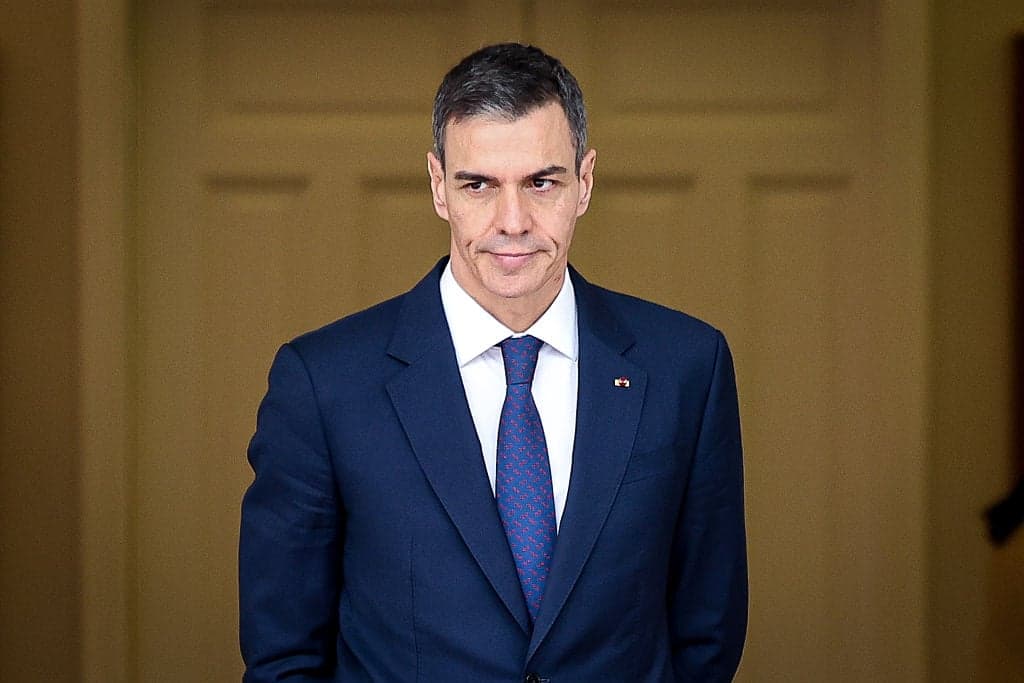
Spain is sending troops to bolster security in its North African enclave of Ceuta after thousands of migrants swam from Morocco into the territory on Thursday. At least 15 people drowned trying to reach the enclave, as the BBC News reported, in one of the largest mass crossings the territory has seen.
Local officials had appealed to Madrid for help after a recent rise in attempted crossings, but border controls apparently broke down on Thursday. Thousands of people slid down concrete embankments into the sea to swim around the jetty that marks the border, leaving Spanish beaches strewn with rubber rings and flippers. At one point a Spanish official said the border was in total collapse, with migrant reception centres quickly overwhelmed.
Reports estimate for around 49,000 people have crossed into Ceuta with Italy now threatening to suspend its Schengen agreement with Spain.
Italian PM Giorgia Meloni described the images as "shocking".
In a statement in X she wrote: "We are in the process of bringing together the competent bodies and, once these meetings are over, we are ready to act, including through exceptional measures, such as suspending the Schengen agreement with Spain."
Spain's interior ministry accused human trafficking networks of exploiting a Supreme Court ruling this month that migrants stopped at sea while trying to reach Ceuta or the enclave of Melilla cannot be summarily returned to Morocco.
"The armed forces will reinforce the Civil Guard in the exercise of its powers and any others that may be necessary to maintain security in the city of Ceuta," the interior ministry said.
Prime Minister Pedro Sanchez is due in the territory on Friday and has pledged to return things to normal immediately. The crossings are the latest sign of the pressure migration is placing on Europe's borders as the continent heads into a busy period for European travel this summer.

News

News

News

News
Government rejects an AI kill switch because you cannot simply turn AI off
Experts warn a British AI kill switch has a major flaw The government is questioning whether Britain could do much to control the most serious AI risks on its own, even if ministers were given the power to shut down systems during an emergency. The idea has been under discussion in Parliament in recent weeks. […]
News
2 days ago
Michael O’Leary doubles down and accuses Dublin Rape Crisis Centre of defamation
Ryanair boss Michael O’Leary has refused to back down on comments he has made likening airline rivals to “rapists”. Comments by Ryanair boss Michael O’Leary have drawn widespread criticism from victims and advocates for trivialising rape. Now, the controversial figure has sent an open letter to Rachel Morrogh, the chief executive of the Dublin Rape […]
News
3 days ago
Council rejects plans to erect Ali G statue in UK town
News