








News

Share
Published 10:51 12 Nov 2026 GMT
Updated 10:52 12 Nov 2026 GMT
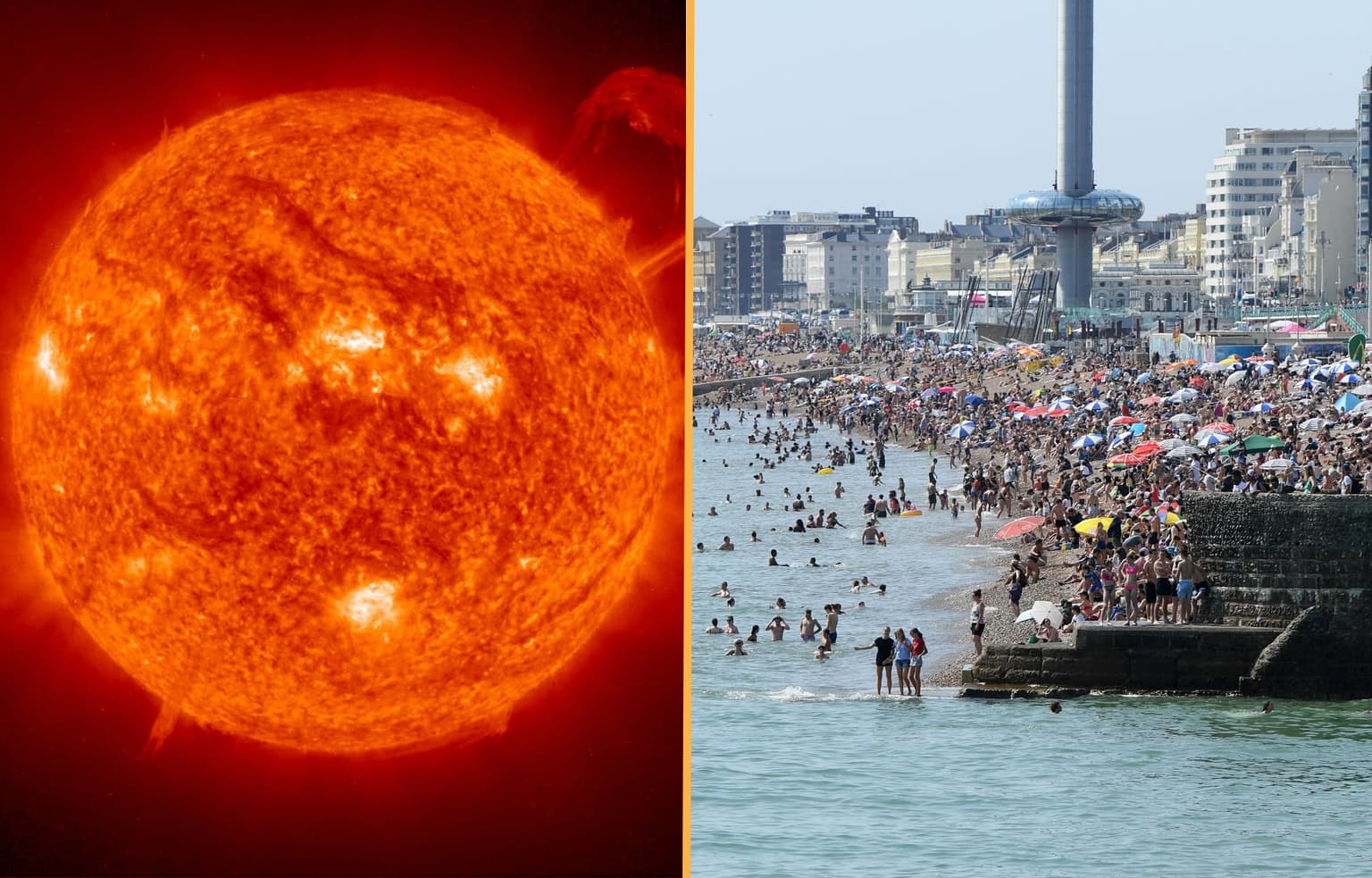
Scientists have issued a new major warning regarding El Niño, predicting that it will cause “pandemic-scale mortality” worldwide next year.
Earlier this week, scientists have raised the alarm once more, as they claimed it could be the most intense El Niño on record.
According to epidemiologists, next year it should be classified as a global health emergency.
They warned that the 2027 El Niño could kill hundreds of thousands.
Dr Colin Carlson, an assistant professor of epidemiology at Yale University, warned that it would be deadlier than the 2009 swine flu pandemic.
That pandemic killed roughly 284,000 people worldwide.
“The 2026-27 El Niño is going to cause pandemic-scale mortality”, he added.
According to Carlson, the World Health Organisation should classify the “discrete and deadly event” as a public health emergency of international concern.
It should be considered on par with the Ebola epidemic in the Democratic Republic of the Congo and the circulation of polio, he added.
In an article in Think Global Health with Prof Christopher Callahan, a climate scientist at Indiana University, Carlson said that “an early analysis suggests that nearly half a million deaths will result from extreme heat alone, to say nothing of epidemics of dengue fever, cholera, and other infectious diseases that could also occur in tandem.”
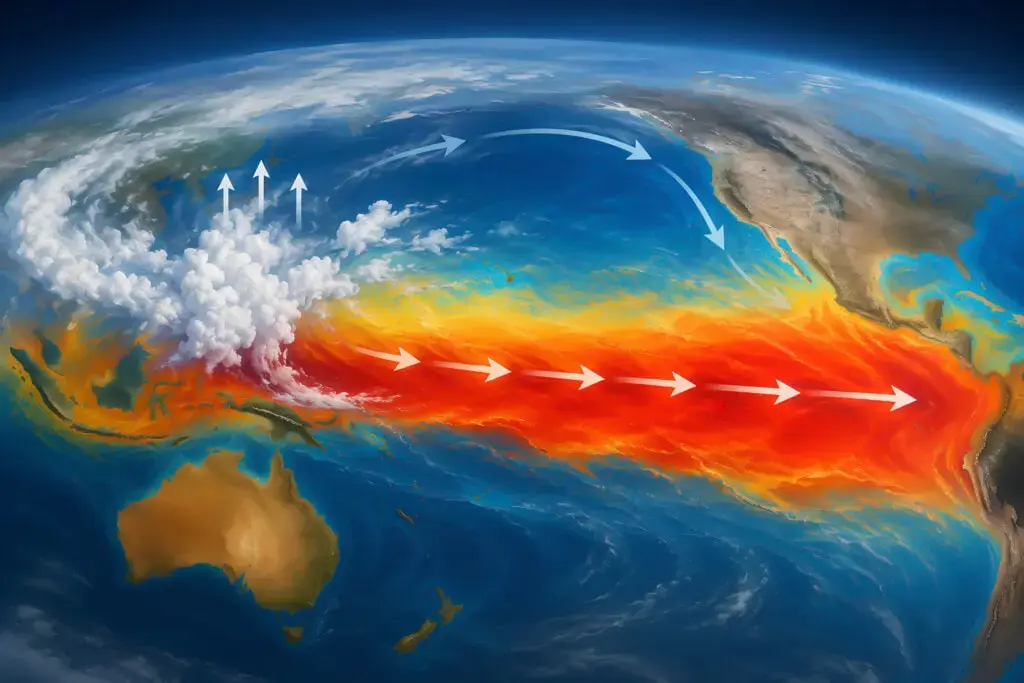
El Niño, which occurs every few years, is a naturally occurring weather phenomenon intensified by climate change.
It usually raises temperatures across the world by warming the surface of the Pacific Ocean.
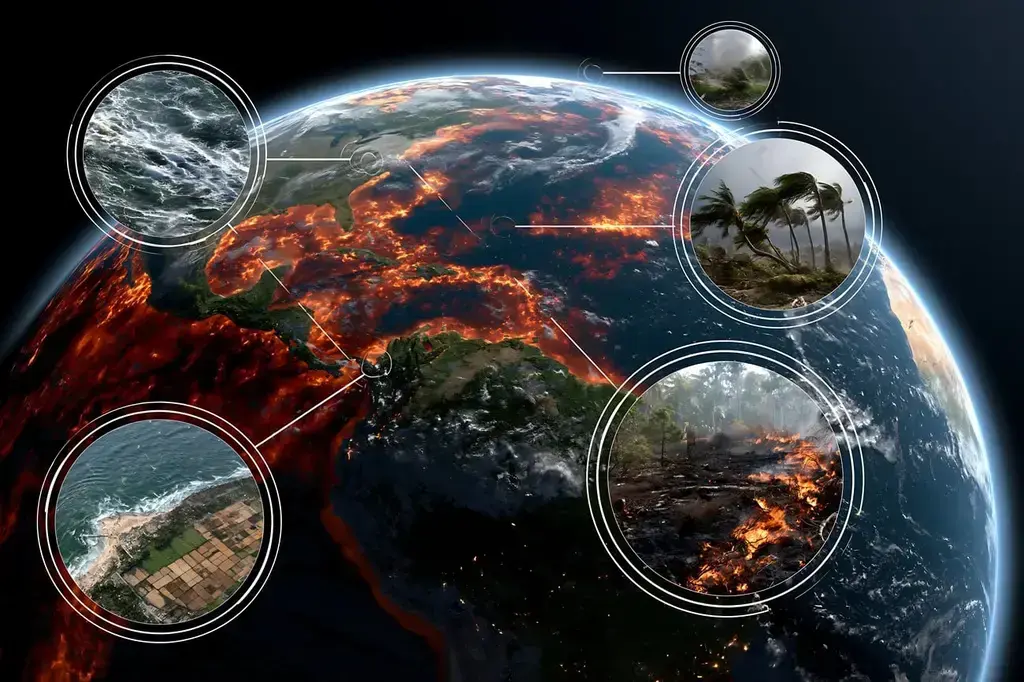
As it warms the ocean’s surface, the oceanic heatwave can then trigger erratic storms, severe droughts and intense wildfires.
In turn, this can wreak havoc on crop harvests, food supplies and global security.
According to research by the University of Chicago’s Climate Impact Lab, taking heat-related fatalities alone, El Niño could cause as many as 451,000 excess deaths between June 2026 and February 2027.
While the study has not been peer-reviewed yet, it suggested the number of extremely hot days would rise by 44 per cent compared with normal years.
As per the scientists, the highest number of deaths caused by heat is expected in Nigeria.
An estimated 31,400 between September and February is predicted in the West African country.
Next, the most deaths are expected in Sudan and Indonesia.
Speaking to CNN, Michael Greenstone, a report author and co-founder of the Climate Impact Lab, said: “We have long been able to predict the impacts of temperatures on crops, and now we can predict their impact on the worst outcome – death.”
The latest El Niño concerns come as world leaders, climate scientists and policymakers met at the COP31 climate conference in Turkey this week.
In the meantime, the World Meteorological Organisation (WMO) unveiled its latest State of the Climate update.
According to WMO, the past four years had been the warmest on record, as it warned El Niño would unleash “even more heat and extreme weather well into 2027”.
“El Niño and indeed the state of the global climate in 2026 gives new meaning to the phrase ‘off the charts’”, Celeste Saulo, the WMO secretary-general, said.
Earlier this year, Brits were seriously warned by the Met Office that an “unprecedented” El Niño event next year will cause the hottest year on record in the UK.
Since records began, the summer of 2026 is set to be the hottest on record in the UK, as in August, even average conditions mean that the temperatures will surpass the records set last year.
Over the coming months, the 2026 El Nino is forecast to raise sea temperatures more than 3C, as the Met Office said that would make the weather event “the largest since the 19th century”.
According to the Met Office, the UK could face a greater risk of a wet, stormy autumn, following a summer of amber health alerts.
Explore more on these topics:

News

News

News

News
Malcolm in the Middle star Frankie Muniz rushed to hospital following race-car crash
His team has asked fans for privacy following the crash Malcolm in the Middle star Frankie Muniz has confirmed he is recovering after a crash at Daytona International Speedway forced him to pull out of a Veterans Day racing event. He was due to compete for Team Air Force in Ford’s Proud to Honor Veterans […]
News
49 min
James Bond frontrunner reportedly turns down 007
It looks like he might have other plans. The search for the next James Bond has taken another unexpected turn, with Josh O’Connor – one of the frontrunners – reportedly turning down the chance to play 007. And with an announcement expected before the end of the year, the timing is certainly interesting. British actor, […]
News
1h
News
UK city named most likely to have a white Christmas this year
News