








News

Share
Published 11:48 28 Sept 2021 BST

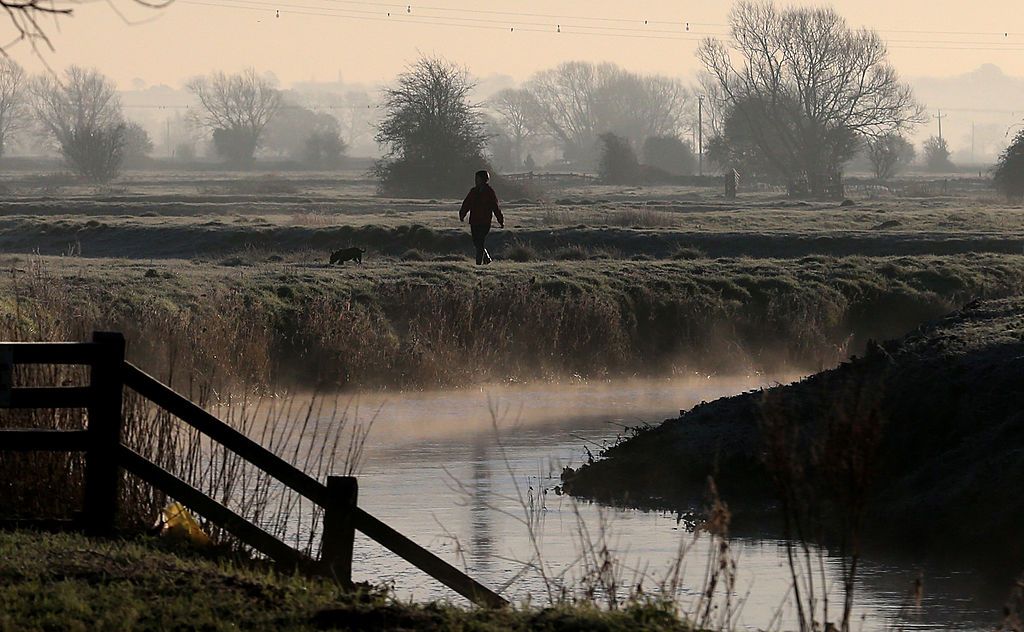 Credit: Getty - River that flows on Kennard Moor near Glastonbury Festival[/caption]
Their data suggests that there has been a long-term release of drugs from the site for some time, as well as discovering that there was a dangerous concentration of cocaine known to affect the lifecycle of European eels - a protected species that is currently classified as "critically endangered".
Aberg went on to state that: "Illicit drug contamination from public urination happens at every music festival", adding that, "unfortunately, Glastonbury Festival's close proximity to a river results in any drugs released by festival attendees having little time to degrade in the soil before entering the fragile freshwater ecosystem."
The team researchers have, of course, urged festival-goers to use the official toilets provided by organisers, in addition to suggesting further studies and possible treatment via environmentally friendly methods such as constructed wetlands.
Dr Christian Dunn, also from Bangor University, said: "Our main concern is the environmental impact [...] Education is essential for environmental issues, just as people have been made aware of the problems of plastic pollution, and Glastonbury have made great efforts to become plastic-free, we also need to raise awareness around drug and pharmaceutical waste".
[caption id="attachment_291031" align="alignnone" width="1024"]
Credit: Getty - River that flows on Kennard Moor near Glastonbury Festival[/caption]
Their data suggests that there has been a long-term release of drugs from the site for some time, as well as discovering that there was a dangerous concentration of cocaine known to affect the lifecycle of European eels - a protected species that is currently classified as "critically endangered".
Aberg went on to state that: "Illicit drug contamination from public urination happens at every music festival", adding that, "unfortunately, Glastonbury Festival's close proximity to a river results in any drugs released by festival attendees having little time to degrade in the soil before entering the fragile freshwater ecosystem."
The team researchers have, of course, urged festival-goers to use the official toilets provided by organisers, in addition to suggesting further studies and possible treatment via environmentally friendly methods such as constructed wetlands.
Dr Christian Dunn, also from Bangor University, said: "Our main concern is the environmental impact [...] Education is essential for environmental issues, just as people have been made aware of the problems of plastic pollution, and Glastonbury have made great efforts to become plastic-free, we also need to raise awareness around drug and pharmaceutical waste".
[caption id="attachment_291031" align="alignnone" width="1024"]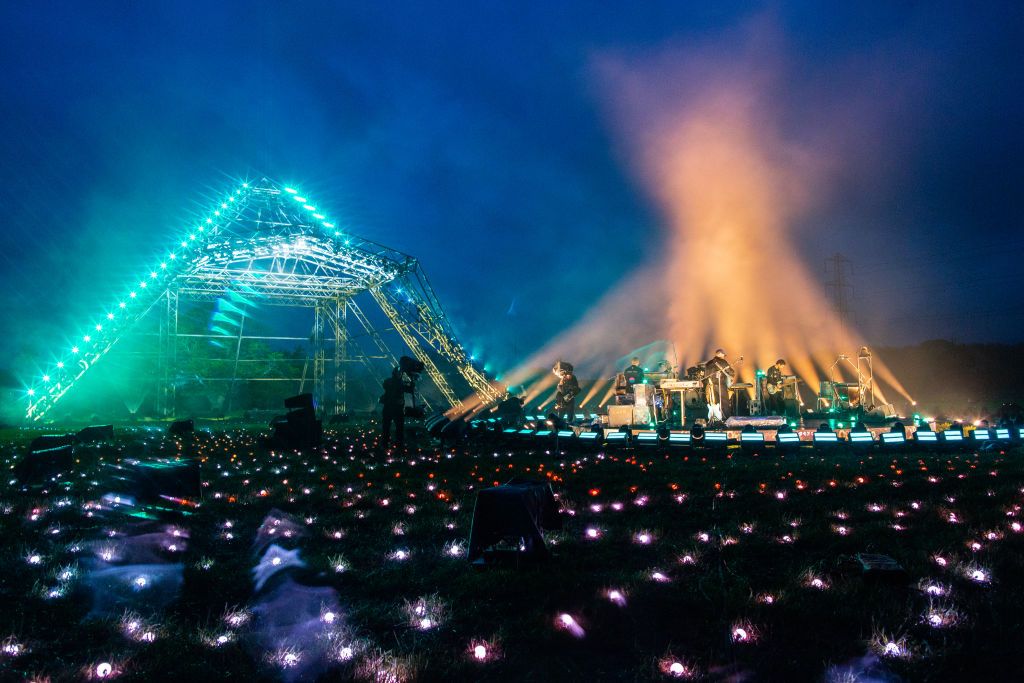 Credit: Getty - Coldplay performing at Glastonbury's replacement event at Worthy Farm after the festival proper was cancelled in 2020 and 2021[/caption]
A spokesman for Glastonbury issued the following statement: "Protecting our local streams and wildlife is of paramount importance to us at Glastonbury Festival and we have a thorough and successful waterways sampling regime in place during each Festival, as agreed with the Environment Agency.
Despite claiming: "There were no concerns raised by the Environment Agency following Glastonbury 2019", he went on to admit that: "We are aware that the biggest threat to our waterways - and the wildlife for which they provide a habitat - comes from festivalgoers urinating on the land."
As well as reiterating that they do not condone illicit drug use or public urination on the land, the festival has expressed a willingness to work with researchers further to understand the data and how they can improve for future events.
Credit: Getty - Coldplay performing at Glastonbury's replacement event at Worthy Farm after the festival proper was cancelled in 2020 and 2021[/caption]
A spokesman for Glastonbury issued the following statement: "Protecting our local streams and wildlife is of paramount importance to us at Glastonbury Festival and we have a thorough and successful waterways sampling regime in place during each Festival, as agreed with the Environment Agency.
Despite claiming: "There were no concerns raised by the Environment Agency following Glastonbury 2019", he went on to admit that: "We are aware that the biggest threat to our waterways - and the wildlife for which they provide a habitat - comes from festivalgoers urinating on the land."
As well as reiterating that they do not condone illicit drug use or public urination on the land, the festival has expressed a willingness to work with researchers further to understand the data and how they can improve for future events.
Explore more on these topics:

News

News

News

News
Paris riots leave cars torched and shops looted as 1,800 arrested
Around 550,000 took part in protests Riots over the weekend in Paris have left burnt-out cars, smashed shopfronts and looted stores across the city, as police have arrested almost 1,800 people. The riots in the French capital erupted after a day of mass demonstrations against rising fuel prices, the cost of living and deteriorating public […]
News
14h
Nottingham city centre closed after police officer shooting
BREAKING Police have confirmed that an officer has been shot in Nottingham city centre. According to Nottinghamshire Police, a man and woman have fled the scene while a firearm has been recovered. The two suspects have not been found yet, police said. They were approached by the officer in Angel Row shortly before the incident, […]
News
21h
News
Cyprus hotel fall: Essex dad fined after son’s death
News