



Business

Share
Published 14:05 10 Sept 2026 BST
Updated 14:05 10 Sept 2026 BST
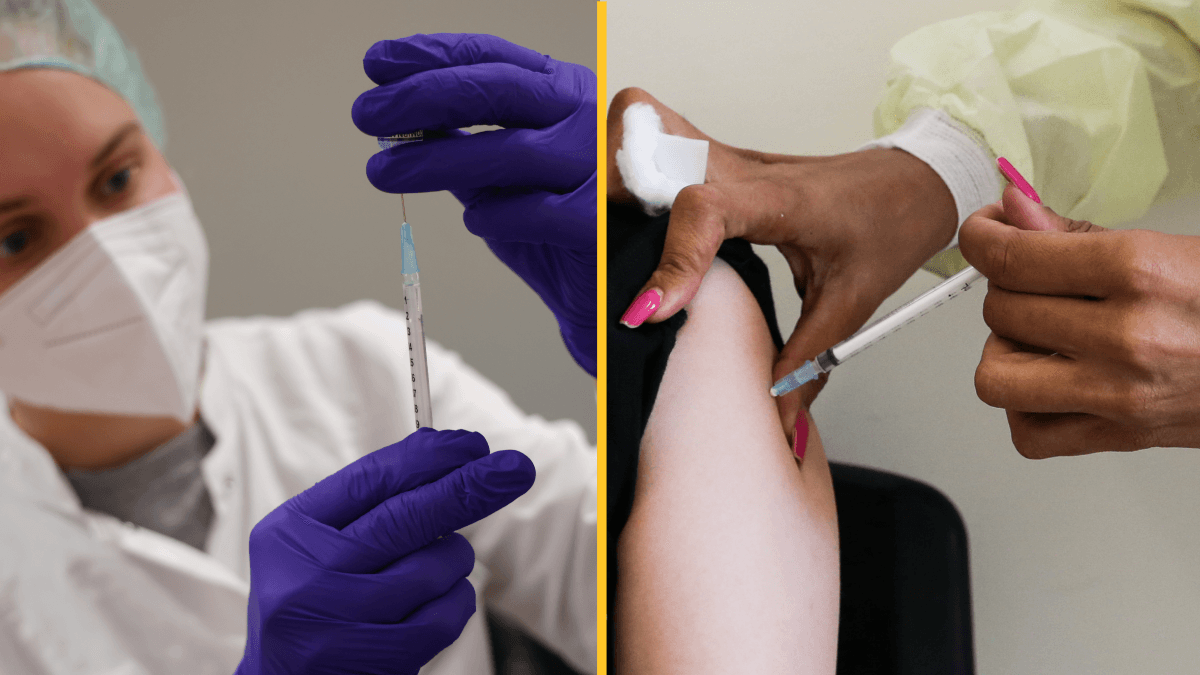
According to the Medicines and Healthcare Products Regulatory Agency, the UK needs new laws for AI healthcare products used in the NHS.
As the use of AI in the sector rises, the watchdog that regulates every medical device in the UK has published 44 recommendations.
It was an independent commission with input from more than 12,000 patients and clinicians that compiled the report.
They include monitoring AI products continuously and stripping their approval if they malfunction.
For example, a patient right to know whether AI is involved in their care.
Recommended are also powers to penalise developers whose products fail to meet standards, and an AI "L plate" system, letting new models be trialled under close supervision.
Speaking to the BBC, MHRA chief Lawrence Tallon said patients will “increasingly see AI as part of the way that normal NHS healthcare is delivered”.
Tallon added: “The medical devices regulatory framework predominantly dates from a period where we were thinking about things like hip replacements and knee replacements, or smaller things like stethoscopes and plasters.”
While current rules may work for simple AI trained to spot symptoms on scans, according to Tallon, this does not apply to complex models.
“Unlike most of the medical products we're used to regulating, these products continue to change after the point of authorization," he said.
"As new data gets fed in, they learn, they adapt, they drift”, he added.
AI scribes are reportedly used by 40% of UK-based GPs, so the technology is already in the building.
It comes in a year of an AI researcher quitting with a warning to humanity, and an NHS busy with the basics, which includes the flu vaccine rollout.
Explore more on these topics:
Business
Business
Business
UK restaurant chain shuts all 106 sites today after half a century – full list of locations
It comes as part of a major restructuring Another UK pub-restaurant chain has shut all its 106 sites today after operating for over half a century. The chain was founded in 1974 and enjoyed its last ever day of service yesterday (Wednesday, 9 September), before closing for good today. Beefeater closed all 106 of its […]
Business
46 min
Trump criticised for bribing Americans with monetary ‘gift’ promise if he wins election
He called it ‘The Trump dividend’ Donald Trump has said that if Republicans win in November’s midterm elections, he would offer every adult American a $5,000 (£3,700) payout. Trump’s plan would cost more than a trillion dollars, provided that his party win both chambers of Congress in November, as per the BBC. The US president […]
Business
3h
Business
Another UK restaurant chain to shut all 106 sites tomorrow after 50 years – full list of locations
Business