









News

Share
Published 16:42 11 Nov 2025 GMT
Updated 16:42 11 Nov 2025 GMT
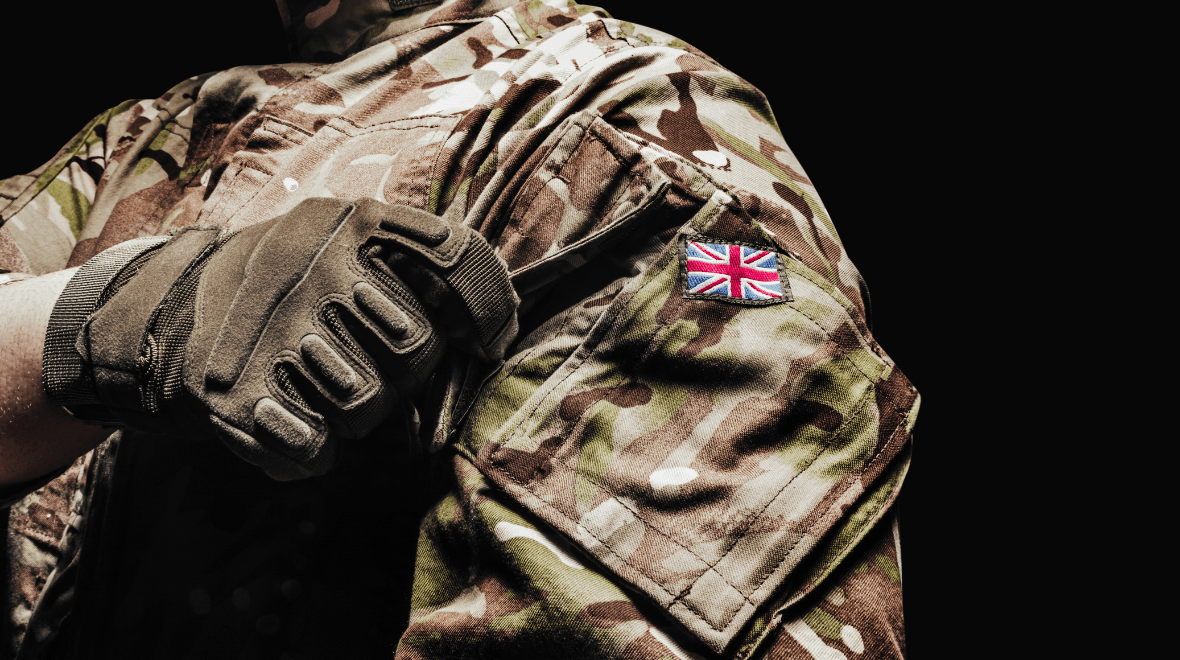
If they were given the choice, two thirds of the British public would not fight for their country.
That's according to a new survey compiled of the opinions of more than 1,000 JOE readers.
Of those who responded, 63% said they would not currently consider fighting for their country, leaving just 37% of participants willing to take up arms for the United Kingdom.
Although the UK hasn't been engaged in a major conflict since the conclusion of World War Two, the results of this survey couldn't come at a worse time.
Growing tensions in the Middle East, and the risks posed by the expansion of Russia's invasion of Ukraine, place the UK closer to war than it has been for decades.
A conflict in the close future is something that forces inside Downing Street are taking seriously. Back in June, the British government issued an official warning making clear how the nation must "actively prepare for the possibility of the UK coming under direct threat, potentially in a wartime scenario."
The problems posed by the British public's growing disinterest in military service is something that has been discussed by former British Army officer Richard Gill in the past.
Speaking to the Standard following the release of a similar IPSOS survey in May, he said: "The fact that so many would refuse to fight for Britain is a symptom of a deeper national malaise. We’ve stopped teaching pride in our country, its history, and its values.
"A nation unsure of itself cannot expect its people to defend it. That must change."
The unfortunate truth is that if Britain were forced into a major conflict in the coming years, the government would most likely be forced to resort to the reinstitution of conscription in order to make up the numbers.
Whether you agree with the overall results, it's still possible to have your say here:
Whether it’s down to the Russian invasion of Ukraine, or the growing tensions between Iran and Saudi Arabia in the Middle East, the world feels closer to the next global conflict than it has done for decades, begging the question: if Britain were forced into another serious conflict, what would it mean for me and you?
In the case of another world war, Britain could reinstitute conscription, calling for every able-bodied person to serve some kind of military service for their country.
While the pressure to volunteer —or at the least fulfil a mandatory obligation to serve —will be immense, throughout history there have always been those who refused the call.
During WW1 (1914-18) a group known as the ‘conscientious objectors’ refused to fight for Britain for moral reasons, and so were targeted by a group of women remembered by history as members of the “White Feather Campaign.”
Whenever they were seen in public, objectors would be handed white feathers by campaigners, as an attempt at mocking or shaming them into service.
During the Second World War (1939-45), the pressure put on ‘conscientious objectors’ was taken even further.
Those who refused conscription had to to attend court tribunals where they would argue their reasons for refusing to serve.
Those who were successful in their argument would then be granted a “category of exemption” and given a non-combat job.
In the decades since those two conflicts ended, the rights of conscientious objectors have been recognised by European courts, as explained by a report on conscription issued by the UK Government in March of this year.
It reads: “Most countries obligate men to serve, offering opportunities for women to volunteer if they wish. Many also offer an alternative civilian option for conscientious objectors.
“Some use a lottery model, meaning that only a small proportion of eligible men are required to serve.
“The European Parliament’s research service briefing on mandatory military service says all EU Member States with an active conscription system have recognised the rights of conscientious objectors through national law.”
As a result, it seems more than likely that any individual seeking to avoid conscription for WW3 as a conscientious objector would be protected by European law.
While thousands could potentially take up the option of a non-combat role instead of one on the frontline, this wouldn’t prevent a newer iteration of the “White Feather Campaign” from rising up and shaming objectors into service.
Households are being urged to buy one appliance to prepare for the potential outbreak of WW3, or other mass disruptions like another pandemic, internet outages, and extreme weather conditions.
The government runs a website to prepare the public for national disruptions including war, extreme weather and cyber attacks.
As part of its list of advice for households, people are being told to buy one crucial item – battery or wind-up radios.
This is because this type of radio doesn’t need power from the National Grid, which may be disrupted during a crisis.
You can get a wind-up radio from Amazon here for your home emergency kit. And it can be used for activities such as hiking and camping.
This article contains affiliate links. We may earn a commission on any sales generated from it.

News

News

News

News
Asda chief executive role goes to ex-Morrisons boss David Potts
The former shelf-stacker now tasked with turning Asda around David Potts has been appointed chief executive of Asda, bringing an end to Allan Leighton’s time in charge of the supermarket’s daily operations. Potts’ career in retail began at just 16, when he took a job stacking shelves at Tesco. He gradually climbed the ranks over […]
News
8h
Nearly 1,500kg NASA spaceship could come crashing back to Earth within hours
Retired NASA observatory set for fiery return A retired Nasa observatory is making its final journey back to Earth, with a small chance that fragments surviving reentry could injure someone. The Neil Gehrels Swift Observatory weighs close to 1,500kg, and estimates put the risk at around one in 2,500. Most of the spacecraft is expected […]
News
9h
Collision of two helicopters near Mount Everest kills tourist and injures pilot
News