









Food

Share
Published 11:38 4 Jul 2019 BST

 Those involved in the study went through their usual workout routine, and afterwards were given either milk protein or mycoprotein.
Scientists discovered that ingesting milk protein boosted muscle building rates by up to 60%, which is hugely impressive. However, those who consumed mycoprotein increased their rate of muscle growth by more than double this figure.
Dr Benjamin Wall of the University of Exeter says, "These results are very encouraging when we consider the desire of some individuals to choose non-animal derived sources of protein to support muscle mass maintenance or adaptations with training."
"Our data show that mycoprotein can stimulate muscles to grow faster in the hours following exercise compared with a typical animal comparator protein (milk protein). We look forward to seeing whether these mechanistic findings translate to longer term training studies in various populations."
Those involved in the study went through their usual workout routine, and afterwards were given either milk protein or mycoprotein.
Scientists discovered that ingesting milk protein boosted muscle building rates by up to 60%, which is hugely impressive. However, those who consumed mycoprotein increased their rate of muscle growth by more than double this figure.
Dr Benjamin Wall of the University of Exeter says, "These results are very encouraging when we consider the desire of some individuals to choose non-animal derived sources of protein to support muscle mass maintenance or adaptations with training."
"Our data show that mycoprotein can stimulate muscles to grow faster in the hours following exercise compared with a typical animal comparator protein (milk protein). We look forward to seeing whether these mechanistic findings translate to longer term training studies in various populations."
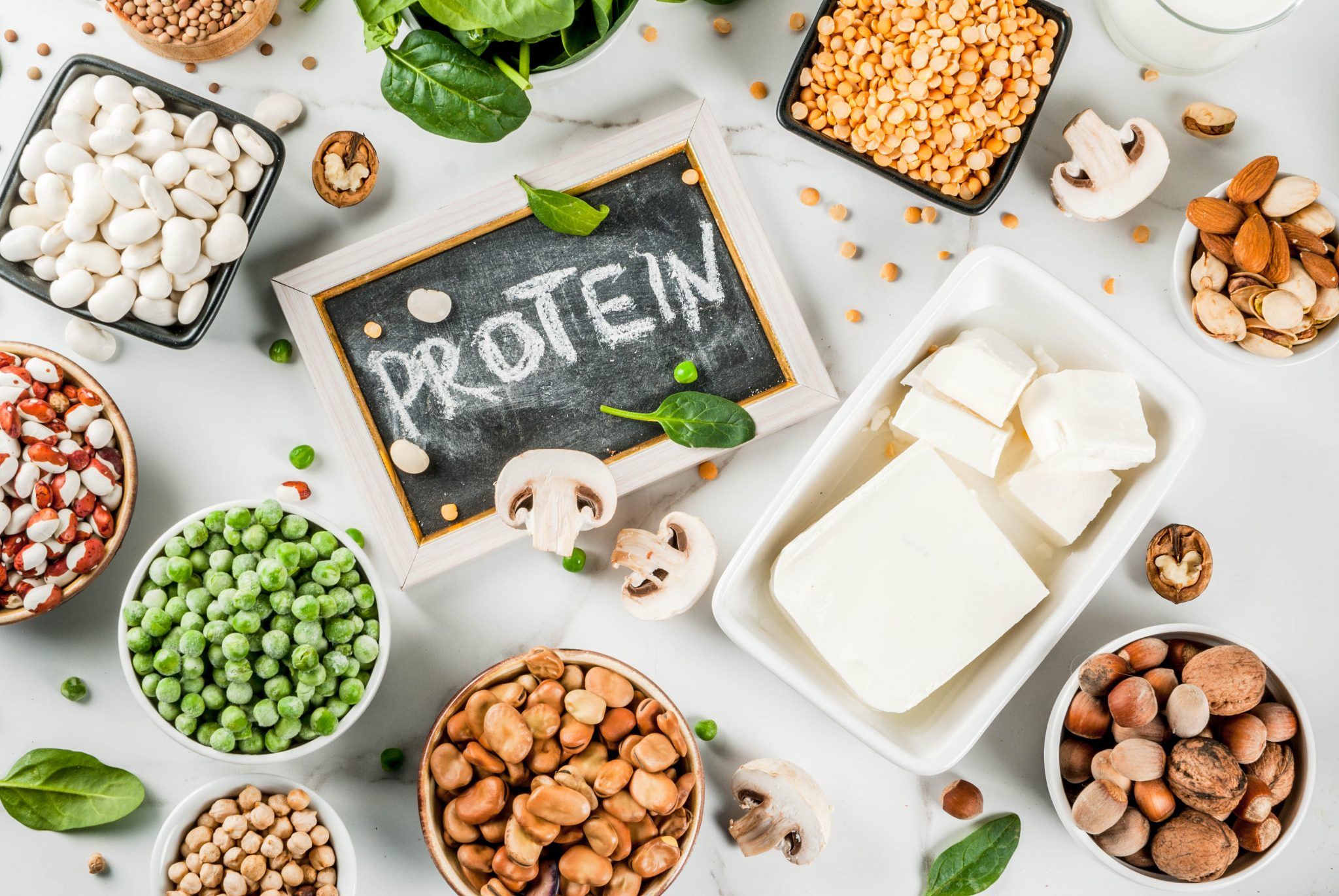 It is high in protein and relatively high in fibre, too.
The main source of mycoprotein in Europe and the US is found in Quorn products.
Recent research has suggested that current recommendations for protein intake are too low -- some scientists have calculated that minimum protein requirements could have been underestimated by as much as 30-50% in some populations.
The British Nutrition Foundation recommends mycoprotein as a good source of dietary protein, both for general health and sport and training.
Read more from JOE
It is high in protein and relatively high in fibre, too.
The main source of mycoprotein in Europe and the US is found in Quorn products.
Recent research has suggested that current recommendations for protein intake are too low -- some scientists have calculated that minimum protein requirements could have been underestimated by as much as 30-50% in some populations.
The British Nutrition Foundation recommends mycoprotein as a good source of dietary protein, both for general health and sport and training.
Read more from JOEExplore more on these topics:

Food

Food

Food

Food
Who actually has a Nando’s Black Card? (and how to get one)
Nando’s Black Card could feed you for free all year If you’ve ever wondered what the fuss is about when people mention the mysterious Nando’s black card, you’re not alone. The restaurant chain has been remarkably quiet about the whole thing, even denying that the cards existed back in 2010. So what exactly is it? […]
Food
1 week ago
Why has McVitie’s changed the name of Digestives and Hobnobs?
Shoppers have been left baffled after seeing packs labelled ‘Together’ and ‘Buzzing’ McVitie’s has issued an urgent clarification after biscuit fans were left baffled by some rather unexpected new names appearing on packs of Digestives and Hobnobs. Shoppers have been taking to social media after spotting packs labelled ‘Together’, ‘Giggling’ and ‘Buzzing’ – leading some […]
Food
1 week ago

Food
Cancer is on the rise among young people – here are the symptoms you need to look out for
Food