






Food

Share
Published 18:28 11 Jan 2019 GMT
Elliott: "It depends on your individual approach - a vegan diet can be well-balanced and provide health benefits related to energy intake, food variety, fruit and veg intake, fibre and improved ratio of healthy to unhealthy fats.
"However, supplementation of some essential vitamins and minerals is required for optimal health."
Meat is high in energy-producing B vitamins, which vegans may need to supplement with.
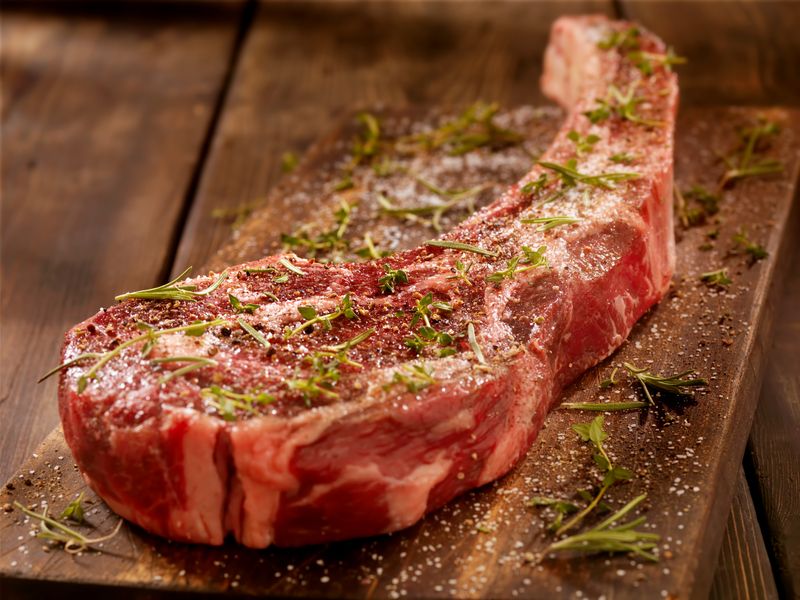
"One of the main challenges is consuming all the essential micronutrients in adequate amounts.
"Without meat and dairy in the diet, it can be difficult to consume enough protein, calcium, vitamin B12, iron, selenium, zinc and iodine - even when the diet is carefully is planned.
"Vegans should consider taking a vegan friendly multivitamin and mineral supplement every day to prevent deficiencies."
"Due to the explosion of vegan alternatives in the last couple of years, a vegan diet can be just as high in sugar, fat and salt as a non-vegan.
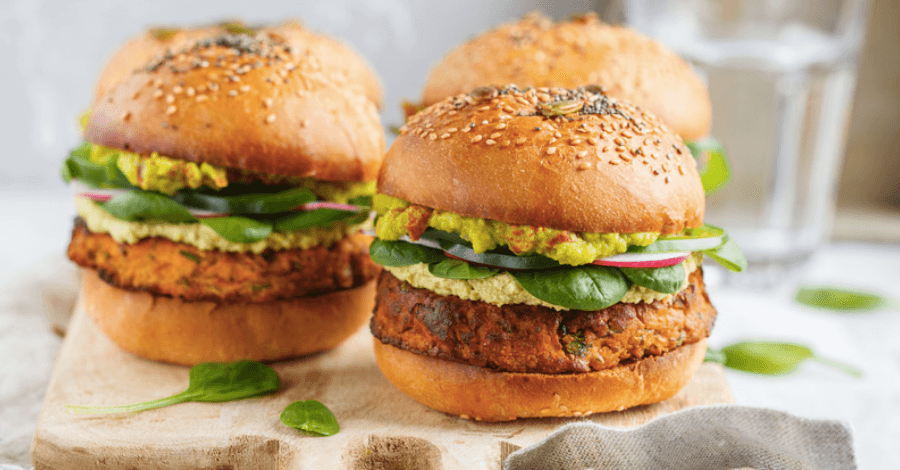
"Some vegan burgers for example contain more salt than their meat counterparts. There are also many high fat, high sugar vegan confectionary products and desserts on the market."
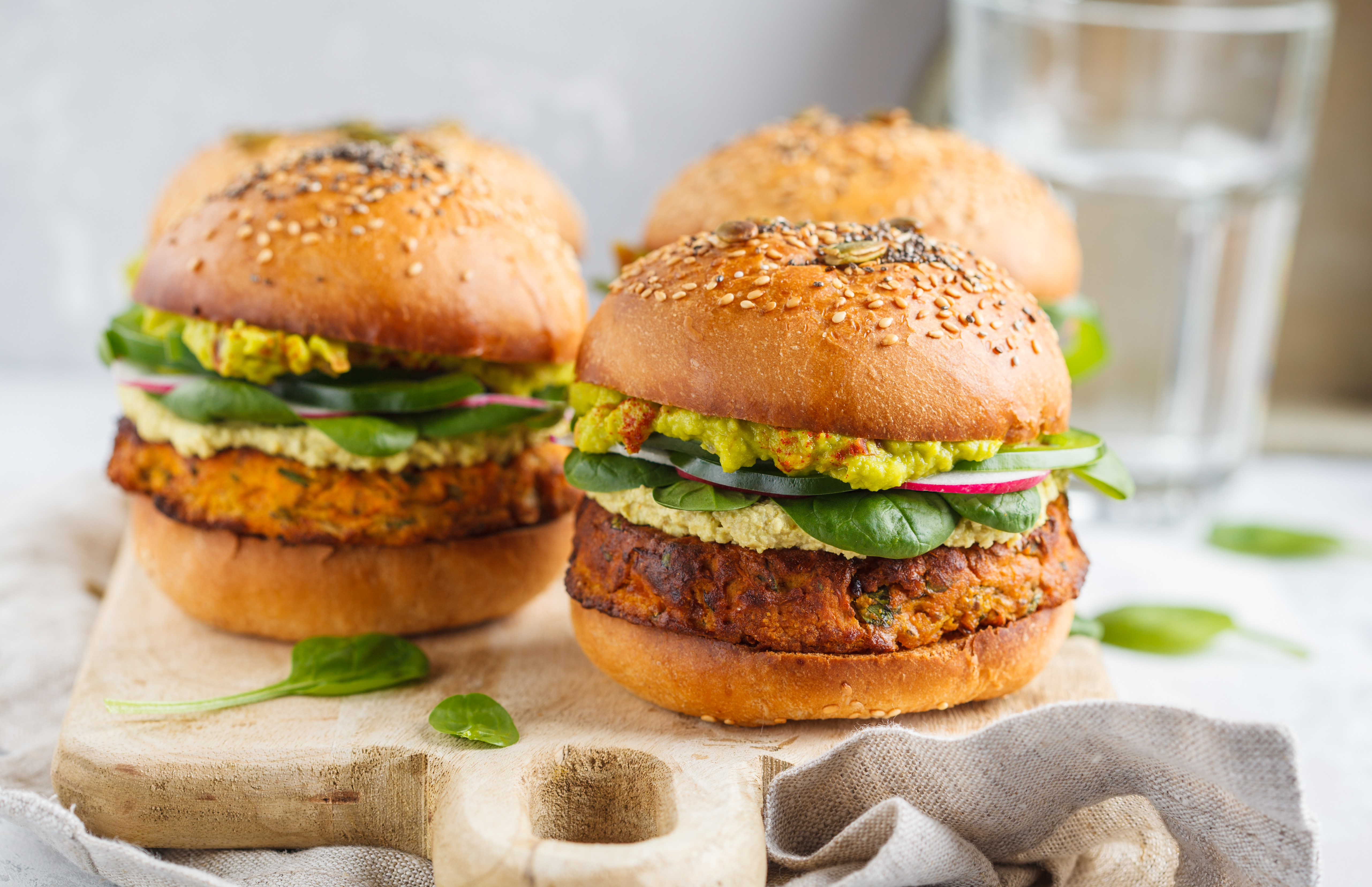
"With careful planning, the energy, protein, fat and micronutrient profile of a vegan diet can be optimised to achieve body composition (muscle gain and fat loss) goals.
"However, this is more challenging compared to vegetarian or omnivorous (meat-containing) diets -especially for those with high protein requirements."
Alongside upping your fruit, veg and fibre intake, there are now lots of options available for people on a vegan diet.
"One of the positives is that it has become so popular and is more socially accepted by society. It is easier to find vegan options on menus and on supermarket shelves.
"In the past vegetarian and vegan options tended to be limited. Now vegan options tend to be incorporated into the main menu, with many restaurants happy to tweak specifications to make certain dishes vegan for customers who ask, so the UK is a much more inclusive place for vegans."
[caption id="attachment_215151" align="alignnone" width="5184"] Jay Z and Beyonce have reportedly gone vegan[/caption]
"Agriculture and livestock farming are by far the biggest contributors to greenhouse gas emissions, deforestation, biodiversity loss, and soil pollution, as well as land and water use.
"Compared to the typical UK diet, a vegan diet has a significantly lower carbon foot print and is associated with lower greenhouse gas emissions.
"However, you don't have to go vegan to have a positive impact on the environment. For example, the average intake of meat by adults in the UK is 108 grams (think a 4 oz steak). If this was reduced to 50g per day (a 2 oz steak), the carbon foot print is reduced by 39%. Also evidence suggests that 25% of all food purchased in the UK is wasted, addressing this would also have a huge impact on our greenhouse gas emissions and carbon footprint."
 Read more from JOE:
Explore more on these topics:
Food
Food
Food
Food
Every Nando’s side ranked from worst to best (the 2026 tier list)
Which Nando’s sides are actually worth it? Choosing your Nando’s chicken is only half the battle. The side you throw on the plate can either complete the meal or leave you wondering why you bothered ordering it in the first place. With everything from basic veg to fully loaded chips on the menu, there are […]
Food
5 days ago
The High-Protein Nando’s Order: A Gym-Goer’s Guide to Macros
Nando’s can actually work for a high-protein diet Trying to keep your calories under control while getting enough protein can make eating out a bit tricky. But if you’re following a high-protein diet, Nando’s actually has plenty of options that can fit into your macros without turning one meal into a full-on calorie bomb. With […]
Food
1 week ago

Food
Inside new ‘ballmaxxing’ trend where men inject scrotum to get bigger balls
Food