






News

Share
Published 11:27 24 Jan 2022 GMT
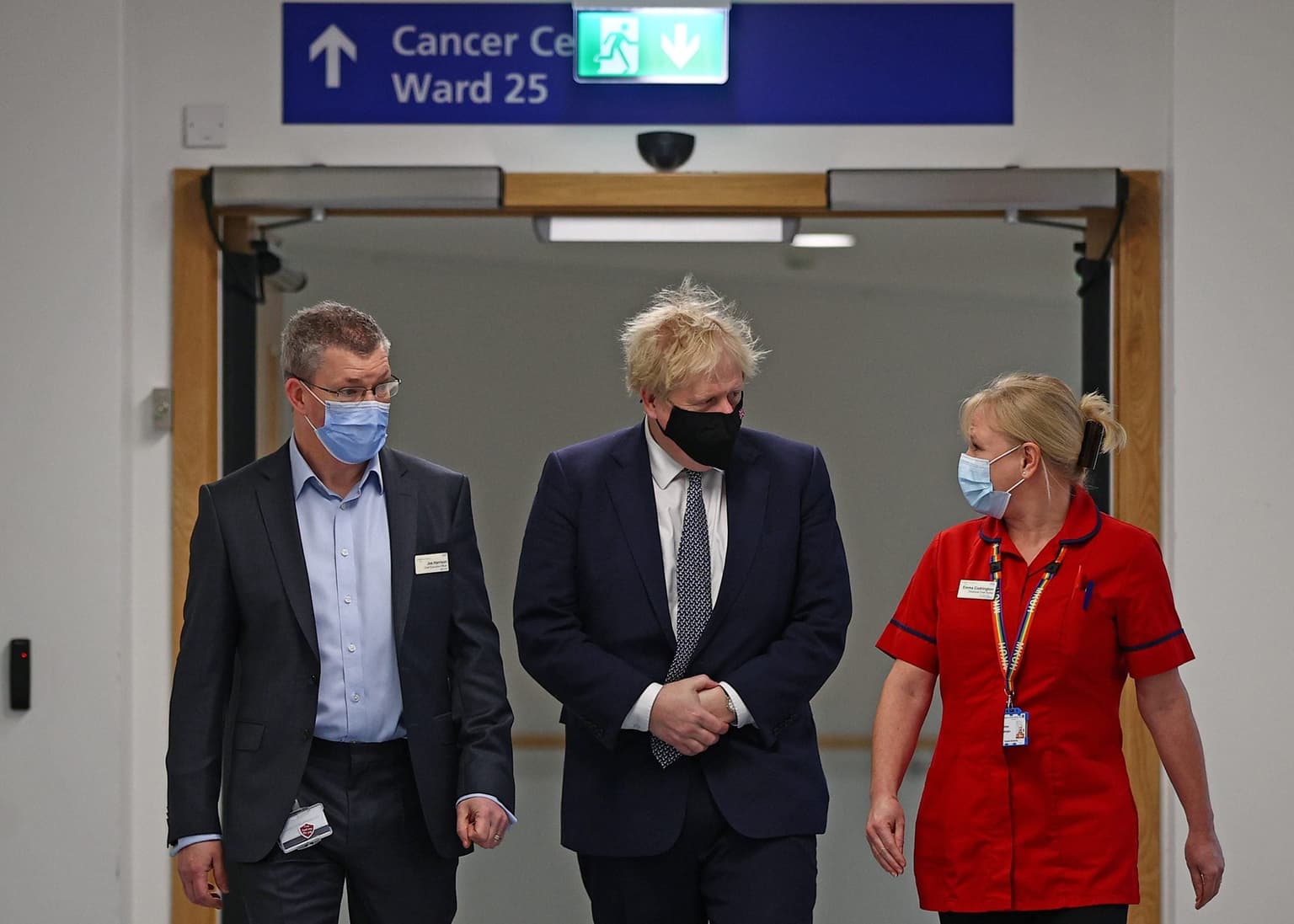
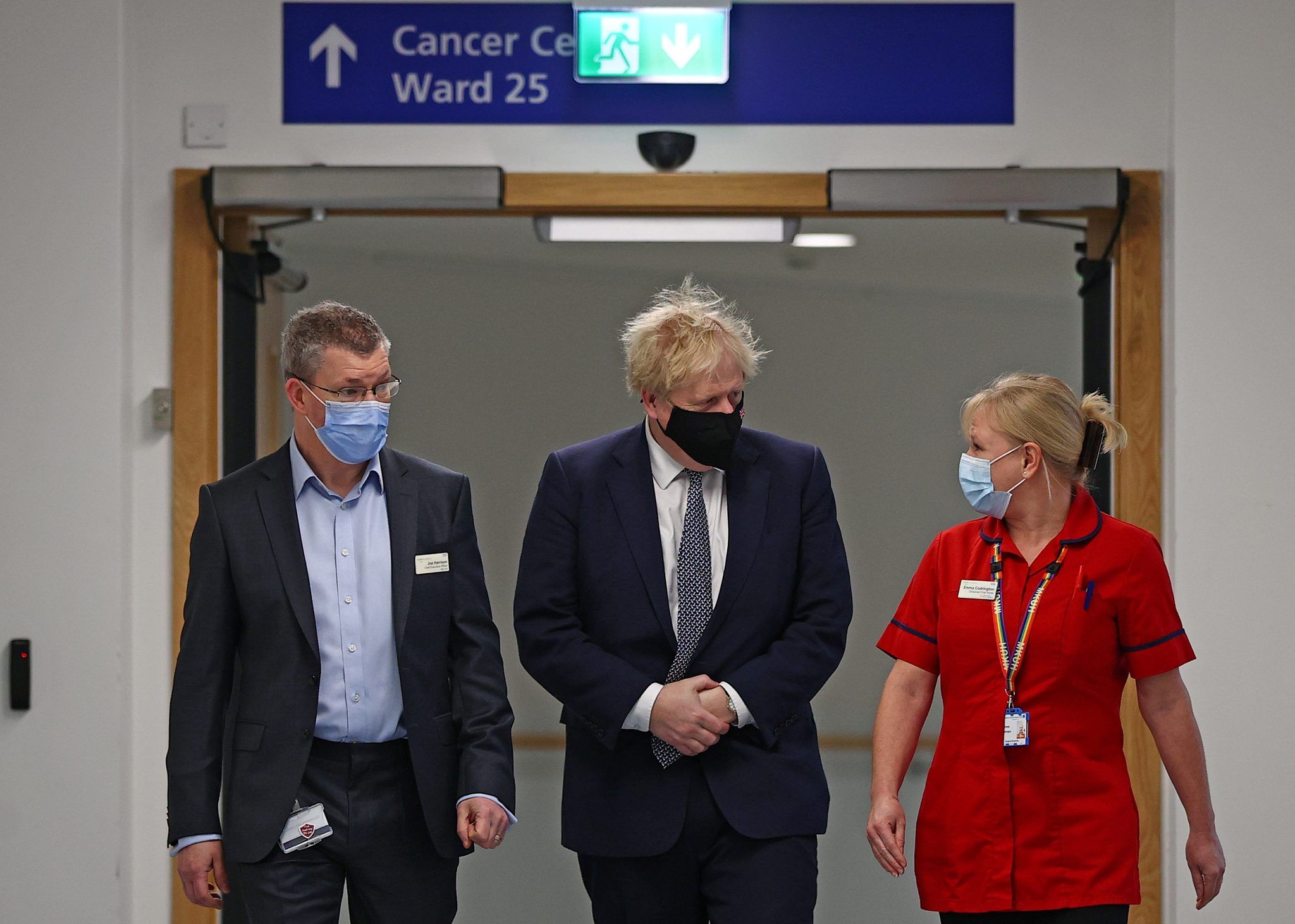 This comes as Boris Johnson is set to repeal Plan B on Thursday/Via Getty[/caption]
The World Health Organisation believes "Stealth Omicron" is developing faster than previous strains. Around 8,000 cases have been identified in more than 40 countries, including the US, India, Germany and Australia, according to reports from the Independent.
A further 426 cases have been recorded on our very own home turf since the variant's discovery in December 2021. It is also believed that there are actually considerably more cases than first thought, as only a small number of infections are checked for variations.
This comes as Boris Johnson is set to repeal Plan B on Thursday/Via Getty[/caption]
The World Health Organisation believes "Stealth Omicron" is developing faster than previous strains. Around 8,000 cases have been identified in more than 40 countries, including the US, India, Germany and Australia, according to reports from the Independent.
A further 426 cases have been recorded on our very own home turf since the variant's discovery in December 2021. It is also believed that there are actually considerably more cases than first thought, as only a small number of infections are checked for variations.
 Mandatory isolation is expected to be repealed in March/Via Getty[/caption]
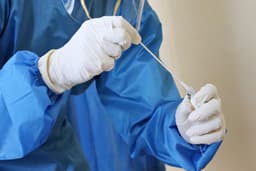
While the variant indeed spreads faster, it's also harder to track by all accounts. Due to a deletion in the spike gene in Omicron, PCR tests are able to trace the strain without the need for extra genome sequencing. However "Stealth Omicron" does not have this feature, which in turn makes it harder to monitor.
While PCR tests will easily determine if someone has Omicron, further tests would be needed to differentiate between the parent variant and this new, stealthier version.
Mandatory isolation is expected to be repealed in March/Via Getty[/caption]
While the variant indeed spreads faster, it's also harder to track by all accounts. Due to a deletion in the spike gene in Omicron, PCR tests are able to trace the strain without the need for extra genome sequencing. However "Stealth Omicron" does not have this feature, which in turn makes it harder to monitor.
While PCR tests will easily determine if someone has Omicron, further tests would be needed to differentiate between the parent variant and this new, stealthier version.
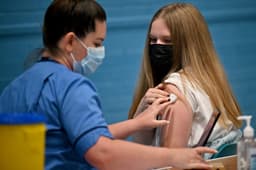
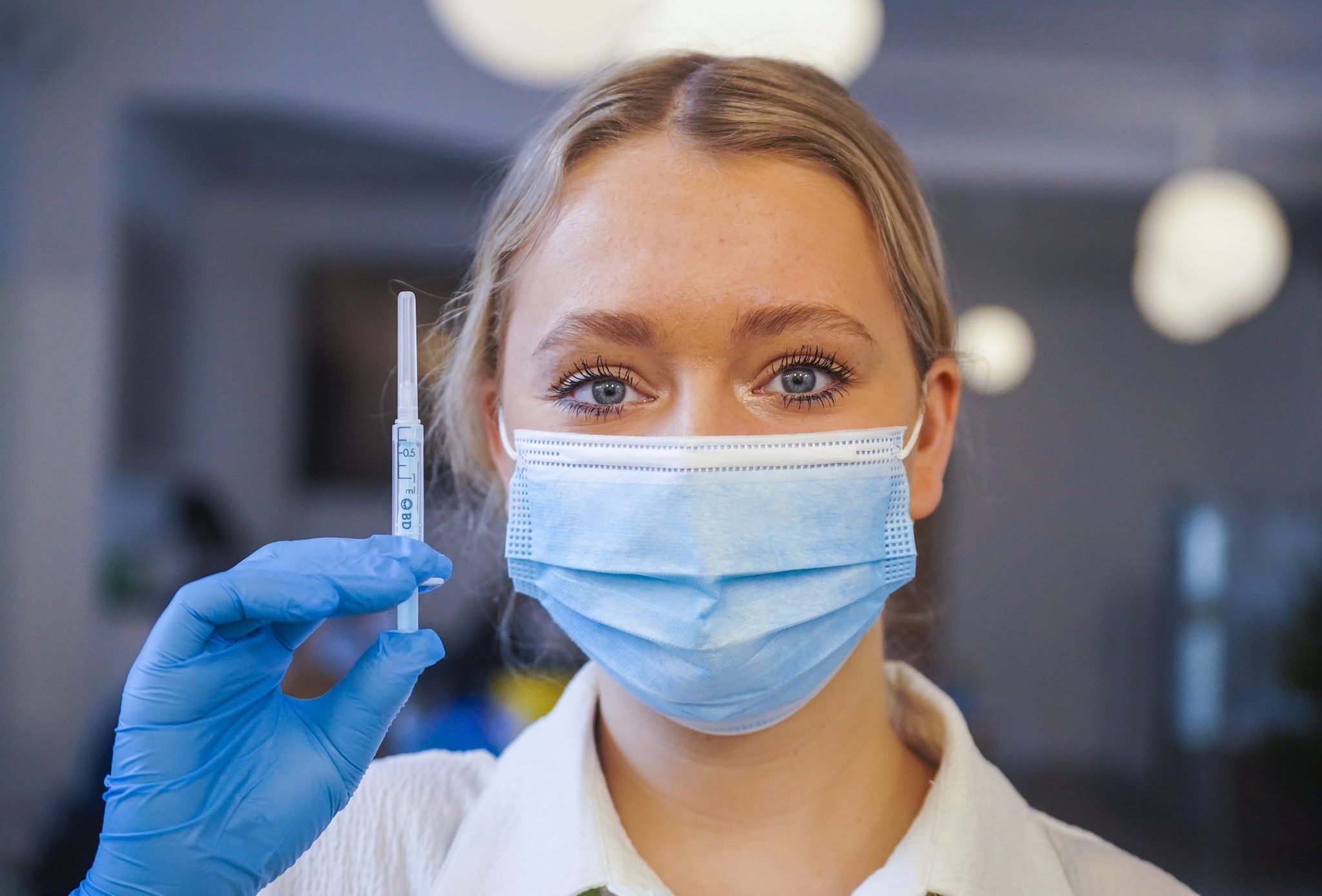 This stealth strain is particularly efficient at evading vaccines/Via Getty[/caption]
Despite its stealth capabilities being initially concerning, scientists are not worried about the possibility of another wave.
"Even with slightly higher transmissibility this absolutely is not a Delta to Omicron change, and instead is likely to be slower and more subtle," said Dr Tom Peacock, one of the first virologists to identify Omicron. "That said, I would not be surprised if BA.2 slowly replaces [Omicron] over the coming months with a slightly more "optimised" mutations."
Speaking to the Daily Mail, Dr Peacock said that observations from India and Denmark suggest there is "no dramatic difference in severity."
"So far there is insufficient evidence to determine whether BA.2 causes more severe illness than BA.1, but data is limited and UKHSA continues to investigate," said Dr Meera Chand, the UKHSA's Covid incident director.
More information is expected to follow as scientists continue to analyse the variant.
This stealth strain is particularly efficient at evading vaccines/Via Getty[/caption]
Despite its stealth capabilities being initially concerning, scientists are not worried about the possibility of another wave.
"Even with slightly higher transmissibility this absolutely is not a Delta to Omicron change, and instead is likely to be slower and more subtle," said Dr Tom Peacock, one of the first virologists to identify Omicron. "That said, I would not be surprised if BA.2 slowly replaces [Omicron] over the coming months with a slightly more "optimised" mutations."
Speaking to the Daily Mail, Dr Peacock said that observations from India and Denmark suggest there is "no dramatic difference in severity."
"So far there is insufficient evidence to determine whether BA.2 causes more severe illness than BA.1, but data is limited and UKHSA continues to investigate," said Dr Meera Chand, the UKHSA's Covid incident director.
More information is expected to follow as scientists continue to analyse the variant.
Explore more on these topics:

News

News

News

News
Piers Morgan urges Trump to side with Ukraine against ‘modern-day Hitler’ Putin
‘Give this guy the support he needs to defeat the modern-day Hitler.’ Piers Morgan has urged Donald Trump to side with Ukraine and Volodymyr Zelensky in their war against Russia. There have been strained tensions this week between Ukraine and the US as Trump has cosied up to Vladimir Putin with diesel deals and sham […]
News
1 day ago
Execution of mass killer will not be livestreamed, Trump says
The US president has done a U-turn The execution of a Nidal Malik Hasan will no longer be livestreamed, US President Donald Trump has said. Last week, it was announced that the execution of Hasan, the man behind the Fort Hood shooting, would be livestreamed. The shooting, which happened in Texas in 2009, killed 13 […]
News
1 day ago
Royal Mail ‘on brink of collapse’ as 400 workers reportedly quit every week
News