




Football

Share
Published 13:45 13 Jun 2018 BST
Updated 14:40 13 Jun 2018 BST
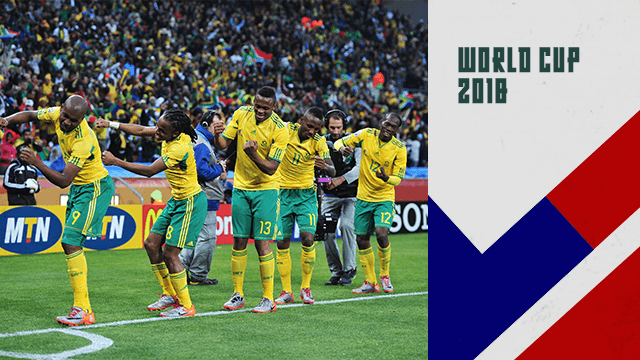
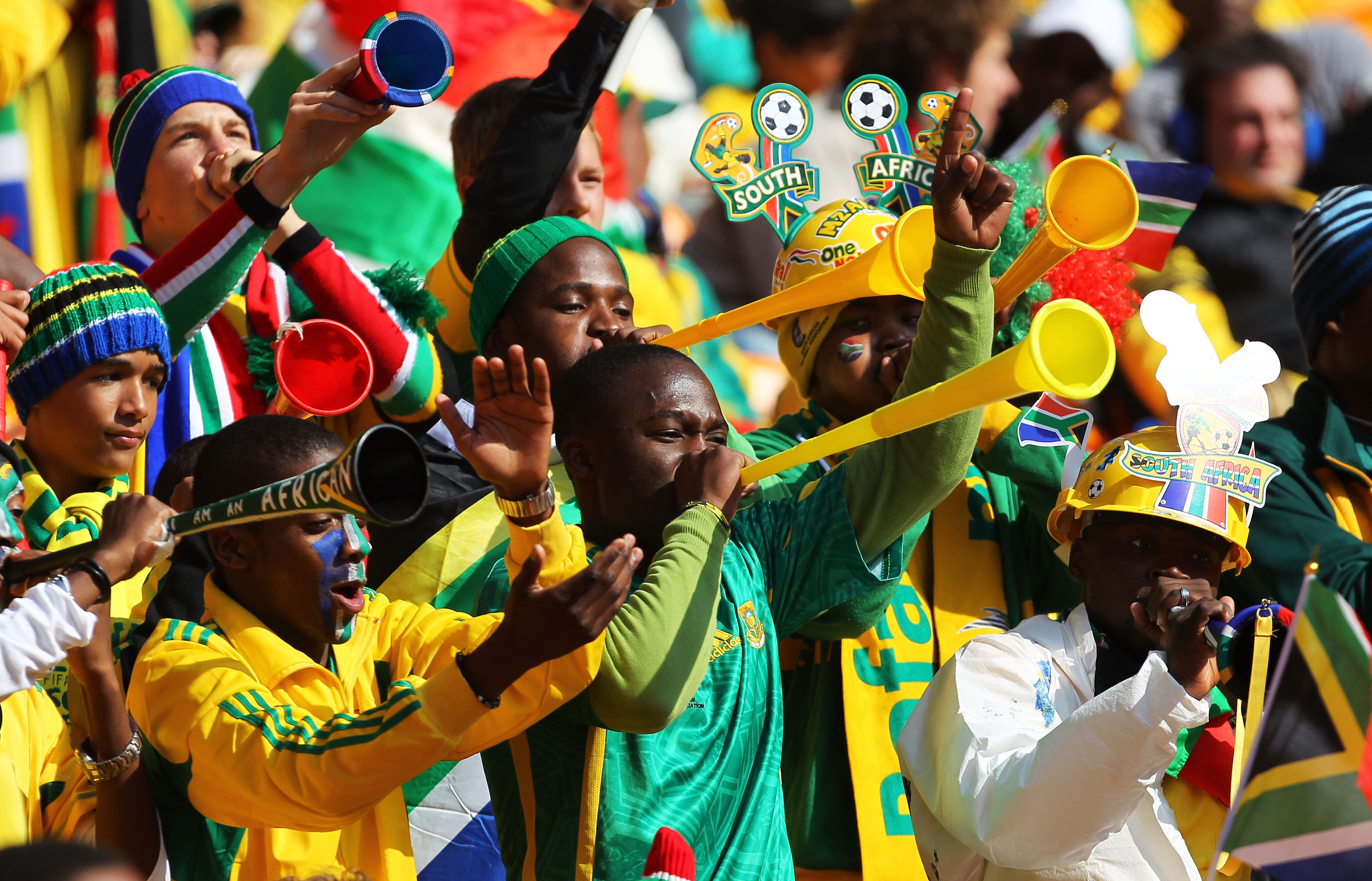 It’s the World Cup where a new record was set for the fewest goals scored by the victors. The one where an octopus predicted the outcome of games and an ox was controversially slaughtered in a blessing ritual.
The World Cup so many hate, heckle and hack.
But South Africa 2010 was about hope and possibilities, inspiration and aspiration - the opportunity for millions to enjoy a once-in-a-lifetime experience, while colourfully crushing misconceptions about the country and the continent.
The convivial, enthusiastic environment that welcomed visitors was the antithesis of the sketch supplied by the British tabloids leading into the competition.
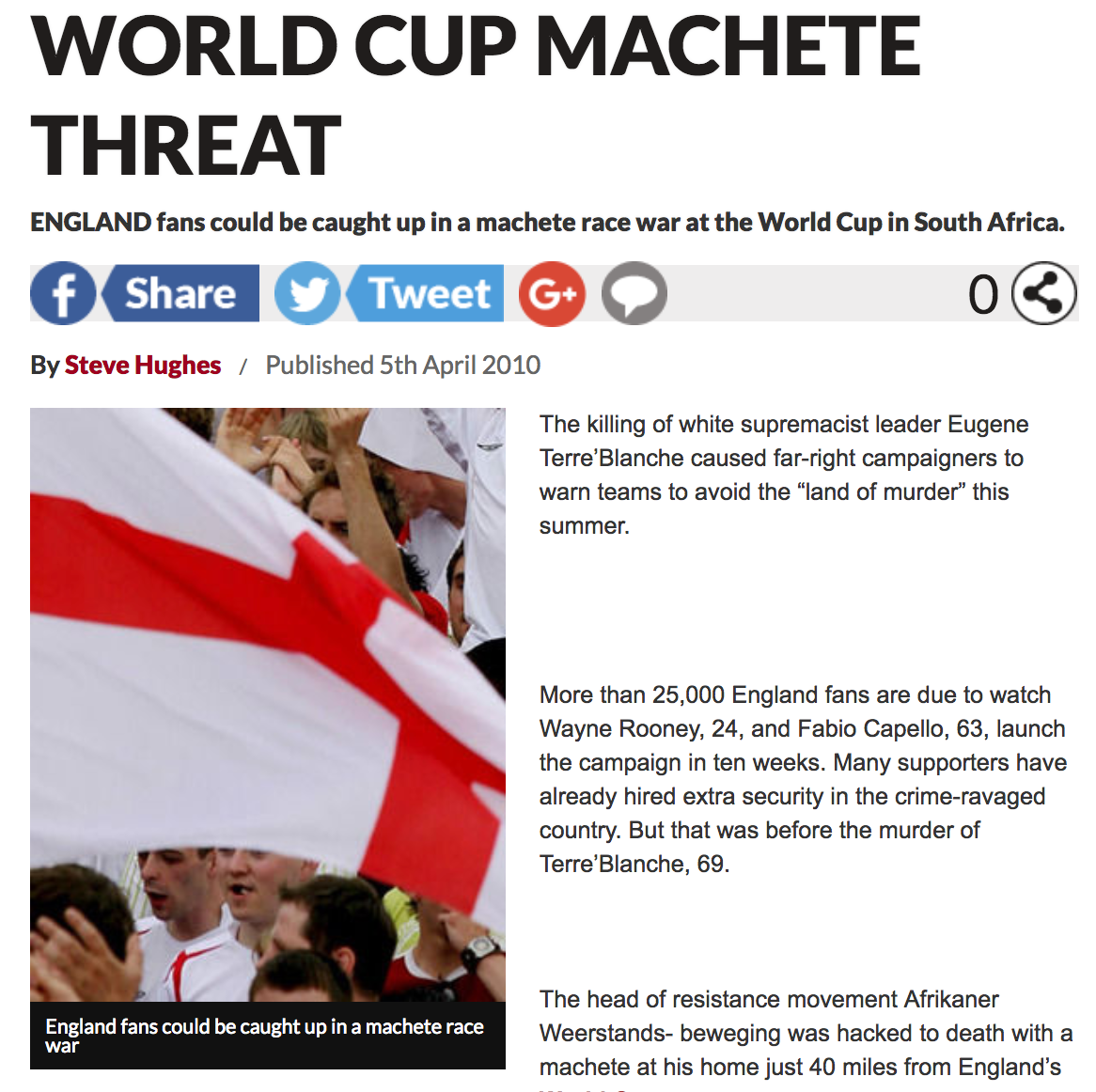
The Daily Star had warned that a “machete race war” awaited those attending Africa’s first hosting of the global showcase, while the Daily Mail told the tale of “a string of grisly murder scenes… involving rituals of extreme brutality: of victims boiled alive, forced to kneel and shot execution style and tortured in ways so unimaginable they are too horrendous to print".
It’s the World Cup where a new record was set for the fewest goals scored by the victors. The one where an octopus predicted the outcome of games and an ox was controversially slaughtered in a blessing ritual.
The World Cup so many hate, heckle and hack.
But South Africa 2010 was about hope and possibilities, inspiration and aspiration - the opportunity for millions to enjoy a once-in-a-lifetime experience, while colourfully crushing misconceptions about the country and the continent.
The convivial, enthusiastic environment that welcomed visitors was the antithesis of the sketch supplied by the British tabloids leading into the competition.
The Daily Star had warned that a “machete race war” awaited those attending Africa’s first hosting of the global showcase, while the Daily Mail told the tale of “a string of grisly murder scenes… involving rituals of extreme brutality: of victims boiled alive, forced to kneel and shot execution style and tortured in ways so unimaginable they are too horrendous to print".
 Every day seemed to present a new falsehood, but the fables were carpeted by a nation and its neighbours ecstatic to feast on a month-long football festival.
The greatest sporting spectacle on earth was in our backyard, its tone dictated by our voices, it’s scenery composed of our faces. There is a power in that; for a place previously painted by unthinkable pain and suffering, the bulk of its people bearing so many scars, to become the site of such celebration and comfort.
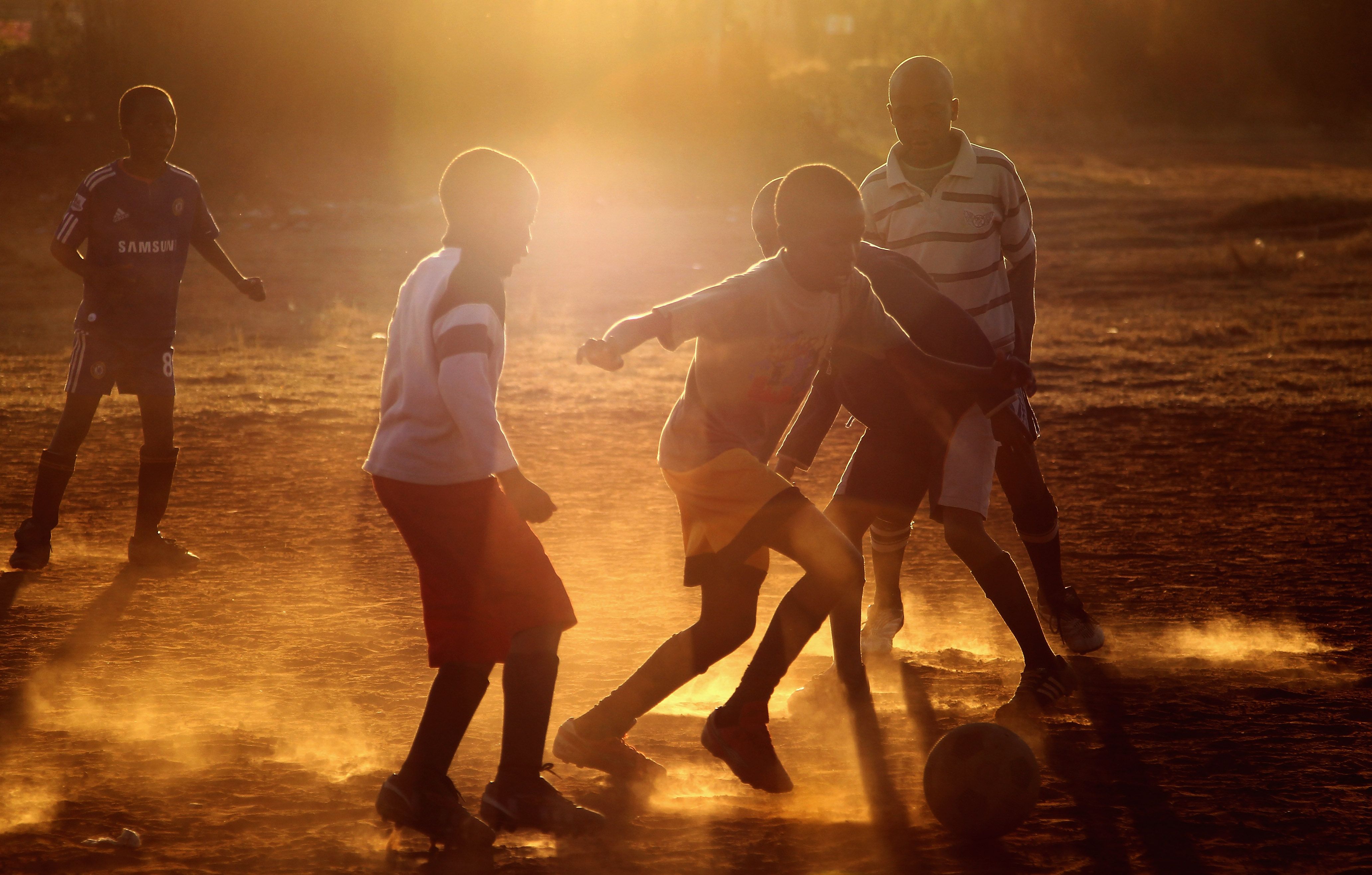
The kids that escaped the reality of poverty, crime and drugs in their townships by pretending to be Didier Drogba, Samuel Eto’o, Steven Gerrard, Lionel Messi, Cristiano Ronaldo or whoever else, temporarily shared a country with their idols: the distance between fantasy and reality drastically shortened for a while, the encouragement to pursue their passions enhanced.
Every day seemed to present a new falsehood, but the fables were carpeted by a nation and its neighbours ecstatic to feast on a month-long football festival.
The greatest sporting spectacle on earth was in our backyard, its tone dictated by our voices, it’s scenery composed of our faces. There is a power in that; for a place previously painted by unthinkable pain and suffering, the bulk of its people bearing so many scars, to become the site of such celebration and comfort.
The kids that escaped the reality of poverty, crime and drugs in their townships by pretending to be Didier Drogba, Samuel Eto’o, Steven Gerrard, Lionel Messi, Cristiano Ronaldo or whoever else, temporarily shared a country with their idols: the distance between fantasy and reality drastically shortened for a while, the encouragement to pursue their passions enhanced.
 Good things didn’t just happen in faraway places, it was happening right there, right in front of their eyes. These big names weren’t confined to a TV screen, they were in town - you could almost touch them, you could certainly detect their aura.
And while it is true that the majority of South Africans couldn’t afford tickets for the games, it didn’t stop anyone revelling in the magic of the occasion, of being in fan parks with relatives, friends and strangers; sharing their makarapas - the plastic mining helmets, offering lessons on how to correctly blow a vuvuzela - technique is everything - and teaching eager onlookers how to diski dance.
For 31 days, the forecast was one of euphoria, regardless of wealth or status. The streets cascaded with an electricity that seemed to sit on the skin, a rapture that you couldn’t shake.
Good things didn’t just happen in faraway places, it was happening right there, right in front of their eyes. These big names weren’t confined to a TV screen, they were in town - you could almost touch them, you could certainly detect their aura.
And while it is true that the majority of South Africans couldn’t afford tickets for the games, it didn’t stop anyone revelling in the magic of the occasion, of being in fan parks with relatives, friends and strangers; sharing their makarapas - the plastic mining helmets, offering lessons on how to correctly blow a vuvuzela - technique is everything - and teaching eager onlookers how to diski dance.
For 31 days, the forecast was one of euphoria, regardless of wealth or status. The streets cascaded with an electricity that seemed to sit on the skin, a rapture that you couldn’t shake.
 My overriding flashbacks of 2010, however, are the emotions.
Frank Lampard’s hands crossed at the back of his head, the England midfielder incredulous as his goal - “it’s in, it’s so far in” - is disallowed against Germany in the last 16.
A manic, long-haired Messi running after shocked and delirious Carlos Tevez when the latter’s offside header in the same round stood against Mexico, despite the forward practically being in Argentina when he scored it. Replays were shown on the big screen at Soccer City with referee Roberto Rosetti and his assistants wearing, quite simply, a ‘For Fuck's Sake’ look.
In the quarter-finals at the same venue, Uruguayan journalists were breaching the barriers in the mixed zone to kiss a gleeful Luis Suarez - his introduction as a villain marked with a handball to clear Dominic Adiyiah’s header off the line.
My overriding flashbacks of 2010, however, are the emotions.
Frank Lampard’s hands crossed at the back of his head, the England midfielder incredulous as his goal - “it’s in, it’s so far in” - is disallowed against Germany in the last 16.
A manic, long-haired Messi running after shocked and delirious Carlos Tevez when the latter’s offside header in the same round stood against Mexico, despite the forward practically being in Argentina when he scored it. Replays were shown on the big screen at Soccer City with referee Roberto Rosetti and his assistants wearing, quite simply, a ‘For Fuck's Sake’ look.
In the quarter-finals at the same venue, Uruguayan journalists were breaching the barriers in the mixed zone to kiss a gleeful Luis Suarez - his introduction as a villain marked with a handball to clear Dominic Adiyiah’s header off the line.
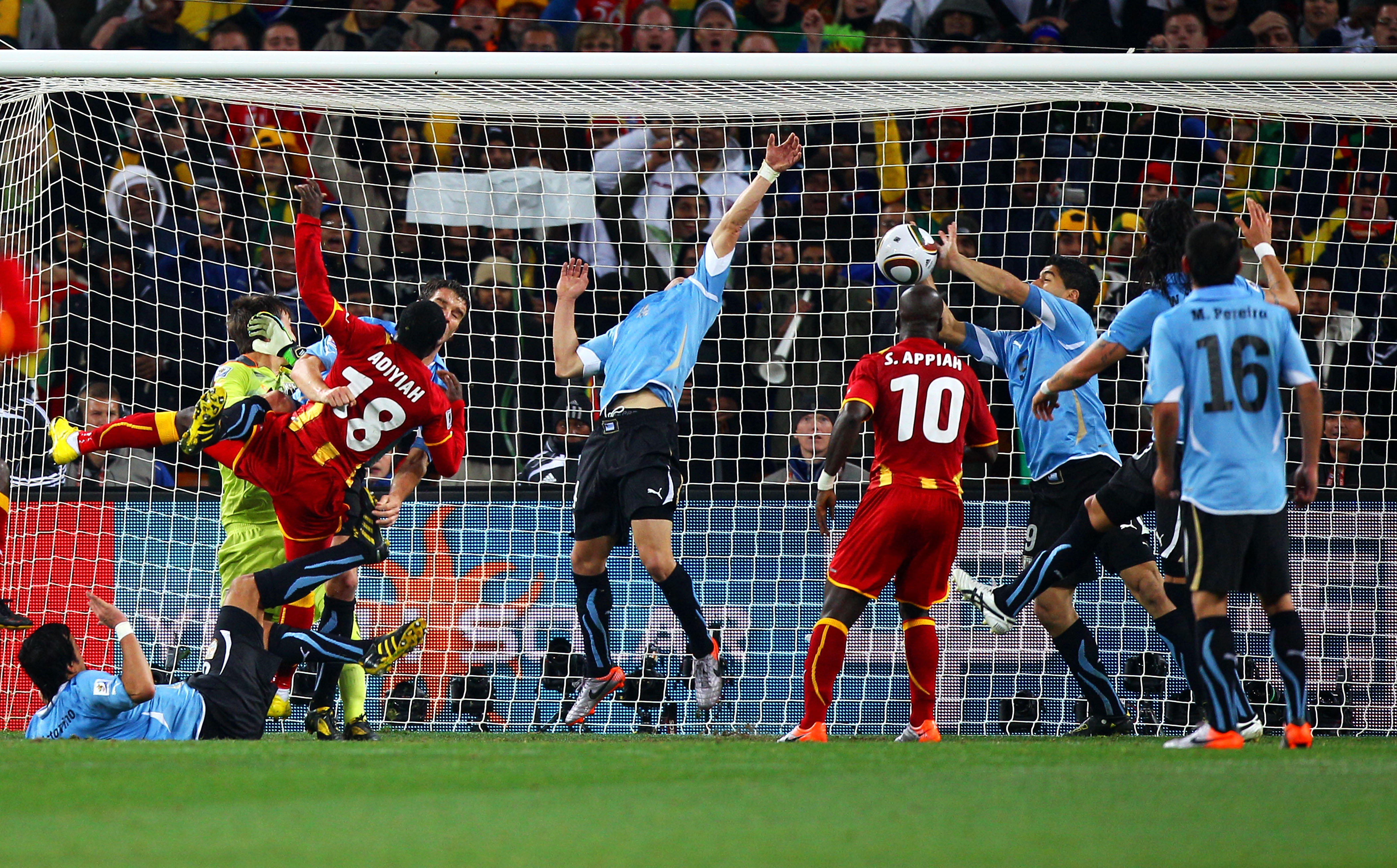 Ghana had been the only African side still standing, but Asamoah Gyan’s resulting penalty cannons off the crossbar, before the Black Stars then lose the shootout, prompting anguish and fury to fill the air in equal measure.
As the Uruguayans embraced post-match, the striker and his team-mates walked past them using their shirts as a towel to absorb the tears.
Nelson Mandela, wrapped in the winter cold and closing in on his 92nd birthday, waving his gloved hand to an in-awe crowd of 84,490 while being shuttled around the pitch in a golf cart during the closing ceremony.
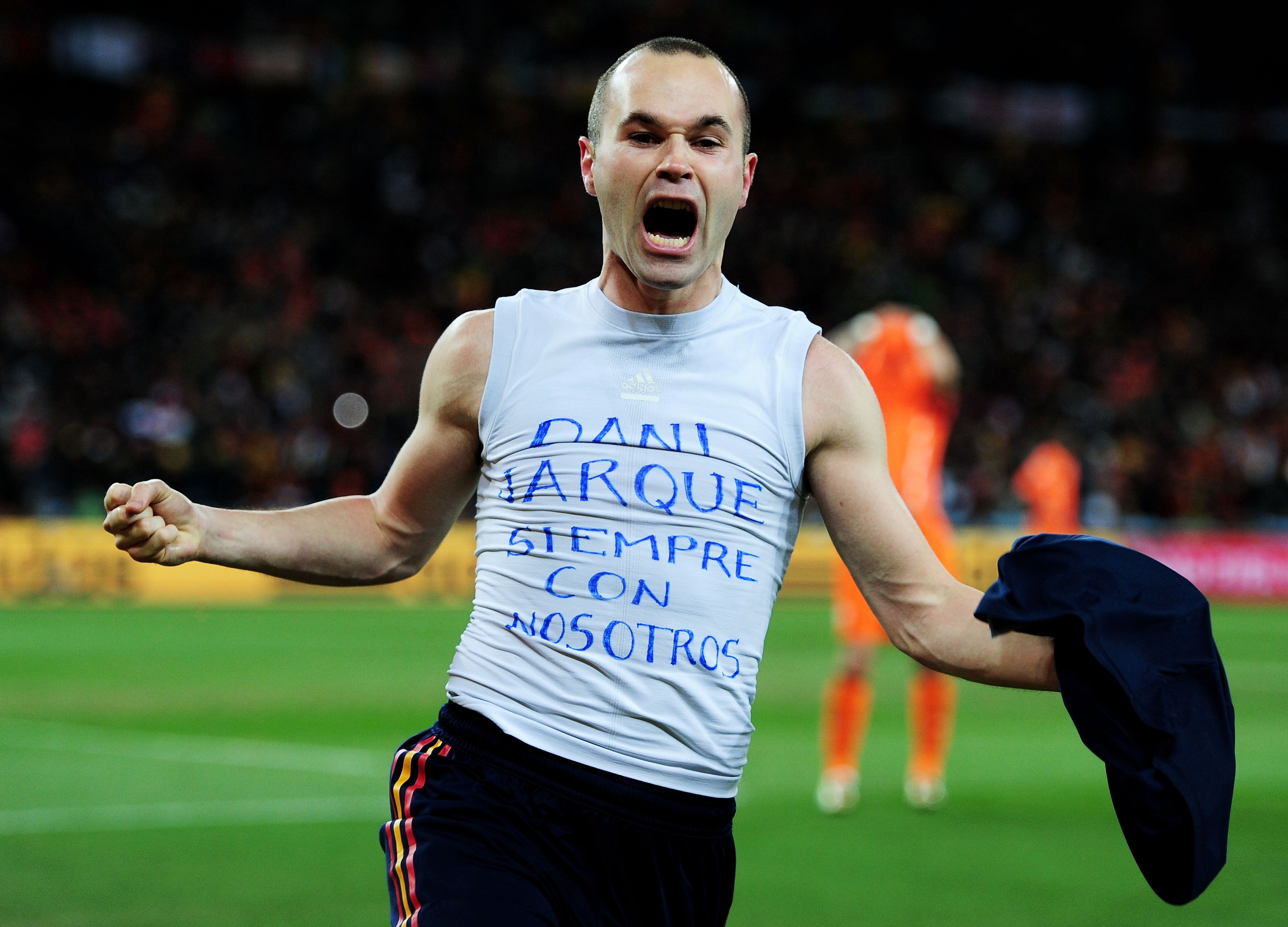
Andres Iniesta, his arms swinging with his top in his left hand and the message 'Dani Jarque, always with us' visible on his vest, looks as though he is about to explode after winning the World Cup for Spain.
Restricting football to its barest state, removing the kaleidoscope of colours, the rush, the rollercoaster, everything it forces you to feel is foolish.
Ghana had been the only African side still standing, but Asamoah Gyan’s resulting penalty cannons off the crossbar, before the Black Stars then lose the shootout, prompting anguish and fury to fill the air in equal measure.
As the Uruguayans embraced post-match, the striker and his team-mates walked past them using their shirts as a towel to absorb the tears.
Nelson Mandela, wrapped in the winter cold and closing in on his 92nd birthday, waving his gloved hand to an in-awe crowd of 84,490 while being shuttled around the pitch in a golf cart during the closing ceremony.
Andres Iniesta, his arms swinging with his top in his left hand and the message 'Dani Jarque, always with us' visible on his vest, looks as though he is about to explode after winning the World Cup for Spain.
Restricting football to its barest state, removing the kaleidoscope of colours, the rush, the rollercoaster, everything it forces you to feel is foolish.
 Results are framed in 90 minutes, but the game expands and resonates so far beyond that.
It is 2,924 days since Reneilwe Letsholonyane rushed to a loose Mexico pass, feeding Kagisho Dikgacoi, who played a quick give-and-receive with Katlego Mphela, before directing a perfect 40-yard ball into Siphiwe Tshabalala’s run behind the opposition defence.
The anticipation and hope remains as fresh as ever when I recall the following seconds.
Results are framed in 90 minutes, but the game expands and resonates so far beyond that.
It is 2,924 days since Reneilwe Letsholonyane rushed to a loose Mexico pass, feeding Kagisho Dikgacoi, who played a quick give-and-receive with Katlego Mphela, before directing a perfect 40-yard ball into Siphiwe Tshabalala’s run behind the opposition defence.
The anticipation and hope remains as fresh as ever when I recall the following seconds.
“It’s a really good ball. It’s Tshabalala.... GOAL BAFANA BAFANA. GOAL FOR SOUTH AFRICA. GOAL FOR ALL AFRICA. JABULILE. REJOICE.”It is as though I’ve ejected out of my body, ceding all control of my limbs, and my voicebox. I am certainly not alone. In that very moment, South Africa felt gargantuan. A sea of pride swelling and smothering all. It was glorious. Bafana Bafana are eliminated at the group stage, but even now, that strike conjures so much. It will always be special to me. You can’t deny it was a brilliant scene, can you? And what of the four mental minutes in Spain’s narrow ousting of Paraguay when three penalties were taken with none actually affecting the scoreboard? Remember Germany surgically shredding Argentina 4-0? Or Wesley Sneijder’s decisive brace against Brazil? How about Holland edging a five-goal epic to reach the final at Uruguay’s expense?
Explore more on these topics:
Football
Football
Football
Football
The Premier League GW5: Follow all of the action in our viral moments hub
From Friday Night Football to Super Sunday, feast your eyes on the action! Premier League football returns this evening as Brentford host Chelsea in a West London derby. On Saturday, Spurs host Aston Villa in the early kick-off as they seek their first goal of the season. At 3pm, the high-flying Brighton host Arsenal, whilst […]
Football
2 days ago
Former West Ham star backs Millwall fans to be respectful after death of cult hero Ludek Miklosko
Former West Ham attacker Matthew Jarvis has backed Millwall fans to be respectful when it counts this weekend following the loss of fan-favourite Ludek Miklosko. Legendary goalkeeper Miklosko made more than 300 appearances for West Ham in the 1990s but sadly lost his battle against cancer earlier this week. West Ham face a tricky trip […]
Football
2 days ago
Saudi club given stadium ban over Jota chants aimed at Ruben Neves
Football