







Football

Share
Published 12:26 27 Jul 2024 BST
Updated 12:41 27 Jul 2024 BST
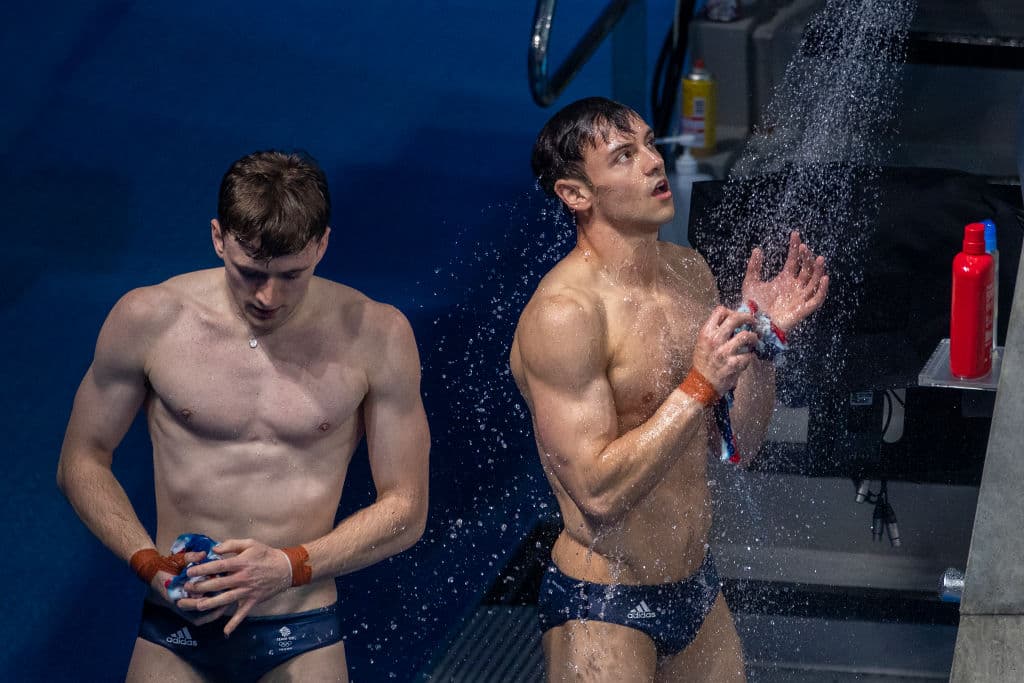
One of the most consistent and watched events at each Olympics is the men's and women's synchronised diving.
It's one of the first televised sports at this year's Olympic Games in Paris, and one in which Team GB have a great chance of taking home numerous medals.
At Tokyo 2020, Tom Daley and Matty Lee were the talk of the country when they won gold in the Men's 10m Synchronised Platform Diving.
In the history of the Olympic Games, Great Britain have won two gold, three silver medals and eight bronze medals and, earlier today, Scarlett Mew Jensen and Yasmin Harper claimed bronze in the women’s 3m synchronised springboard to secure Team GB's first medal of the 2024 Olympic Games.
As millions across the UK watched Jensen and Harper's impressive performance in Paris this morning, some might have wondered why the athletes take to the showers each time they get out of the pool following a dive.
To many, it might seem like a pointless act. Why is someone who is already soaking wet from plunging into a pool dousing themselves with more water?

Well, there's actually a very interesting reason why.
While competing, divers are adjusting to a variety of temperatures while only wearing a minimal layer of clothing - their swimsuit.
Diving events take place in air-conditioned venues that tend to be quite chilly, and the athletes are diving into relatively warm pools that, according to international standards, cannot be cooler than 78.8 degrees Fahrenheit.
Once they get out of those pools, they’re immediately reintroduced to the cooler temperature of the building, which can all be a bit jarring for their bodies.
These bodies are the very vehicles they're reliant on to execute highly precise moves in a push for a gold medal.
Alternating so quickly between different temperatures can cause a diver’s muscles to tense or cramp up, which can lead to injuries that negatively affect their performance.
This is where showers come into play. According to The Independent, rather than stand in the cold for an extended period of time between dives, divers will use showers to keep themselves and, most importantly, their muscles warm and limber.
By doing this you're putting off the risk of getting cramp or even pulling a muscle the next time you're on the board.
And of course, you're also getting the chance to wash off the chlorine from the pool water which can be an irritant to your skin and eyes - and ultimately another distraction when competing.
Divers will also turn to hot tubs for the same purpose, with some divers showering and then jumping in the hot tub between dives to stay warm.
It all sounds very nice and luxurious doesn't it? It certainly seems more attractive than those bashing into each other in the mud during the rugby sevens!
Explore more on these topics:

Football
Football

Football

Football
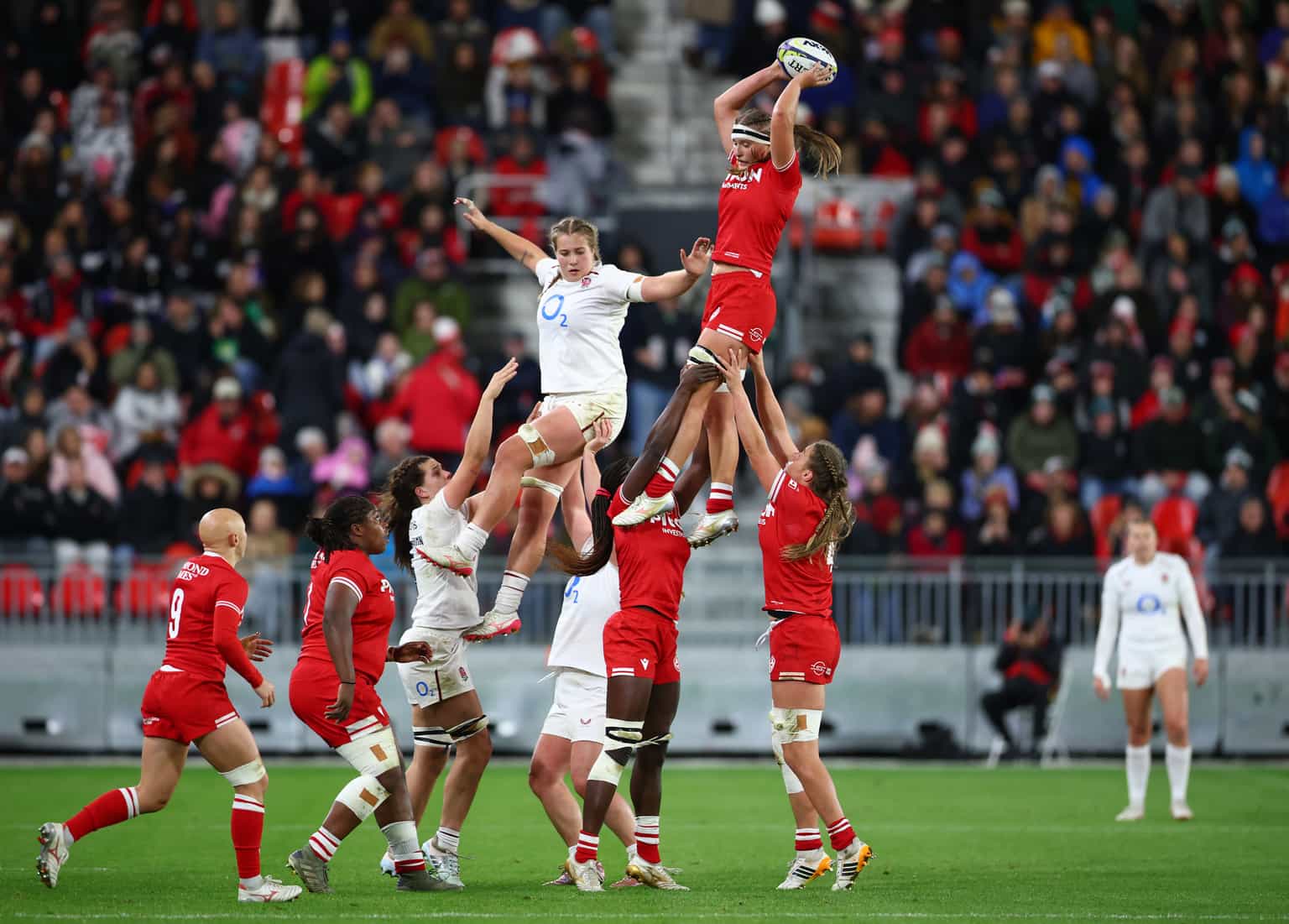
Red Roses Canada loss ends England’s 41-match unbeaten run
Canada seals historic win over England England’s dominance in women’s rugby has finally been brought to an end, with Canada producing a stunning late comeback to claim a 24-21 victory in front of thousands of fans in Toronto. The decisive moment arrived with only three minutes left on the clock, when Shoshanah Seumanutafa crossed for […]
Football
23h
Former Sale Sharks player Hyron Andrews dies at team hotel in France
He was just 31 years old Former Sale Sharks player Hyron Andrews has died aged 31 at his team hotel in France. As reported by Ici La Rochelle, Andrews, a member of the South African team Lions, was found in the squad hotel on l’île de Ré, an island just off the coast of the […]
Football
1 day ago
Rees-Zammit demands end to artificial rugby pitches
Football