






Politics

Share
Published 12:22 21 Aug 2026 BST
Updated 12:20 21 Aug 2026 BST
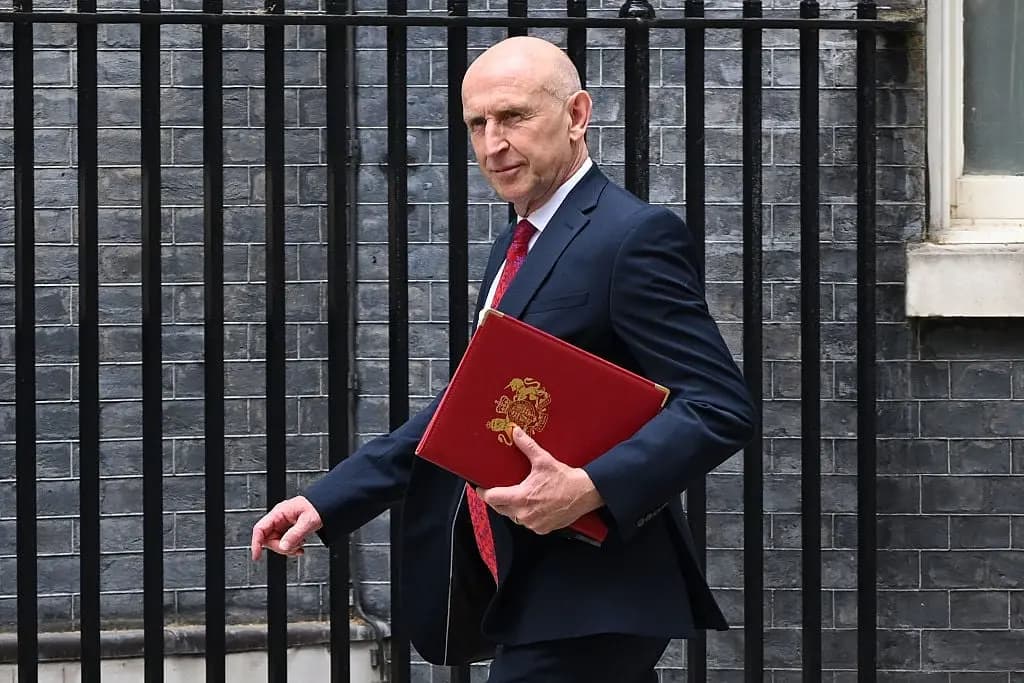
The Government’s finances took another hit in July, with £1.8bn borrowed during the month, leaving the figure well above what had been expected and adding to the pressure on Chancellor John Healey before his first Budget.
According to the BBC report, figures from the Office for National Statistics showed that borrowing was £2.3bn higher than the Office for Budget Responsibility’s forecast. Rather than the predicted £500m surplus, the Government ended the month in deficit.
July’s borrowing was also £700m higher than the same month last year, representing a 68.7% increase. This came despite the Government receiving a record £17.1bn in self-assessment tax payments.
Across the first four months of the financial year, borrowing has reached £56.7bn. Although that is £6bn less than during the same period in the previous year, it is still £2.3bn above the OBR’s spring forecast.
Public sector net debt has meanwhile climbed to £2,984.9bn, leaving it just below the £3tn level. However, when measured against the size of the economy, it has fallen slightly to 94.1% of GDP.
"Fiscal discipline is the bedrock of our UK economic stability and national security," Healey said. "We are cutting the deficit faster than any other G7 economy, while giving people a bit of breathing space with cost of living pressures and focusing support to get young people into work."
ONS chief economist Grant Fitzner said the latest borrowing figures were below those recorded during the same period last year, both in cash terms and when measured against the size of the economy. However, he pointed out that the numbers were still higher than the OBR had predicted in its spring forecast.
Ashley Webb, a senior economist at Capital Economics, was less optimistic, describing the figures as a “run of bad news” and warning that there would be “little scope to raise borrowing in the Budget later this year”.
The Budget is due to be delivered by Chancellor John Healey at the end of October. Healey has kept the fiscal rules introduced by his predecessor, Rachel Reeves, as he prepares to set out the Government’s financial plans.
Joe has previously looked at how Andy Burnham's proposed death tax could affect families, and at the devolution plans for mayoral income tax.
Explore more on these topics:
Politics
Politics
Politics

Politics
Ed Miliband condemns Israel’s ‘unacceptable and destructive’ settlement project
The foreign secretary said the impact of settlements had been “catastrophic” for Palestinian communities. Ed Miliband has condemned Israel for an “unacceptable and destructive” settlement project in the West Bank. This week, the Israeli government opened up tenders for the construction of a some 1,200 settlement homes on the so-called E1 area of the West Bank. The […]
Politics
18h
Andy Burnham is giving 15% of his PM’s salary to homelessness charities
Burnham did the same with his Greater Manchester mayor salary. Andy Burnham has revealed he will give 15% of his prime ministerial salary to charities and causes that tackle homelessness. When he entered Downing Street last month, the first pledge Burnham made was to end rough sleeping in Britain, and this week he announced plans to get all […]
Politics
20h
Politics
Richard Tice accused of being ‘completely out of touch’ after telling Britons to enjoy the heatwave
Politics