

Politics

Share
Published 17:36 30 Jul 2026 BST
Updated 17:47 30 Jul 2026 BST
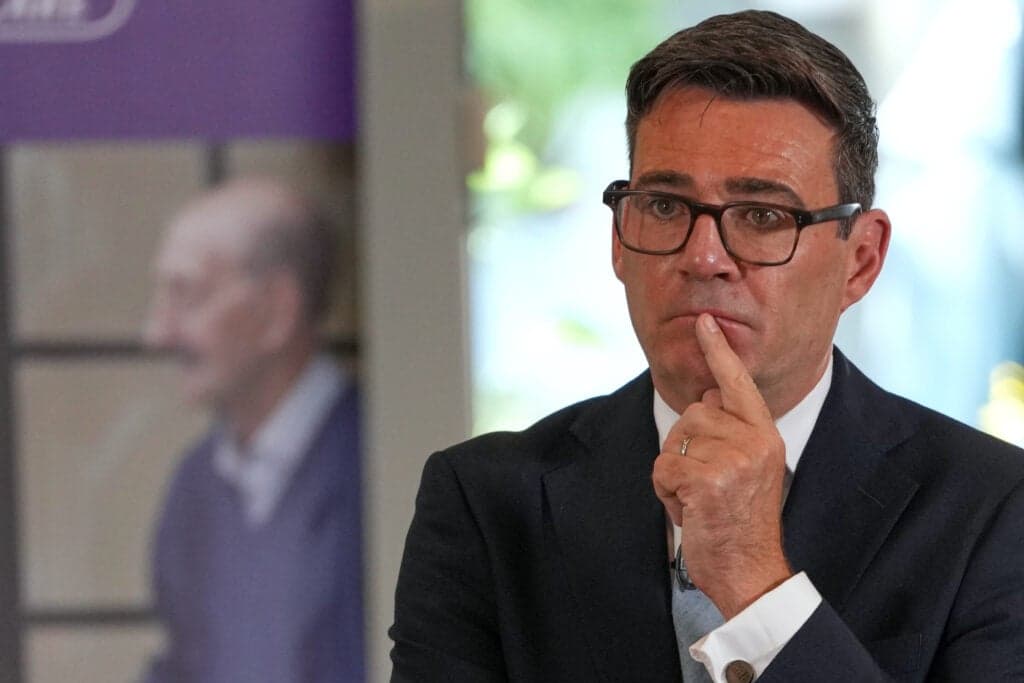
With Andy Burnham at the helm, change is in the air as he continues to implement a string of new policies.
One proposal which has been floated is the idea of a "death tax" as a way of funding ambitious new social care reforms.
Between 2009 and 2010, the newly elected PM was appointed as Health Secretary, under then PM Gordon Brown.
He supported the idea of replacing Inheritance Tax with a 10% tariff on all estates to pay for a national care system.
The new PM’s spokesperson said that they wouldn't comment any further when asked if Burnham still supported the Estates Tax.
“He has said in his interview today [Tuesday 28 July] that creating a new system will take time,” said the spokesperson.
“But he’s also been clear about the consequences of not doing it, which is that the NHS would collapse under the weight of having to care for people not really needed in the NHS system.”
Andy Burnham has yet to deliver a speech on the matter but warned in recent interviews that he “couldn't put a timeline on it right here, right now”.
The BBC reports that instead of introducing immediate changes now, the PM could be announcing a speed-up of an independent review on adult social care.
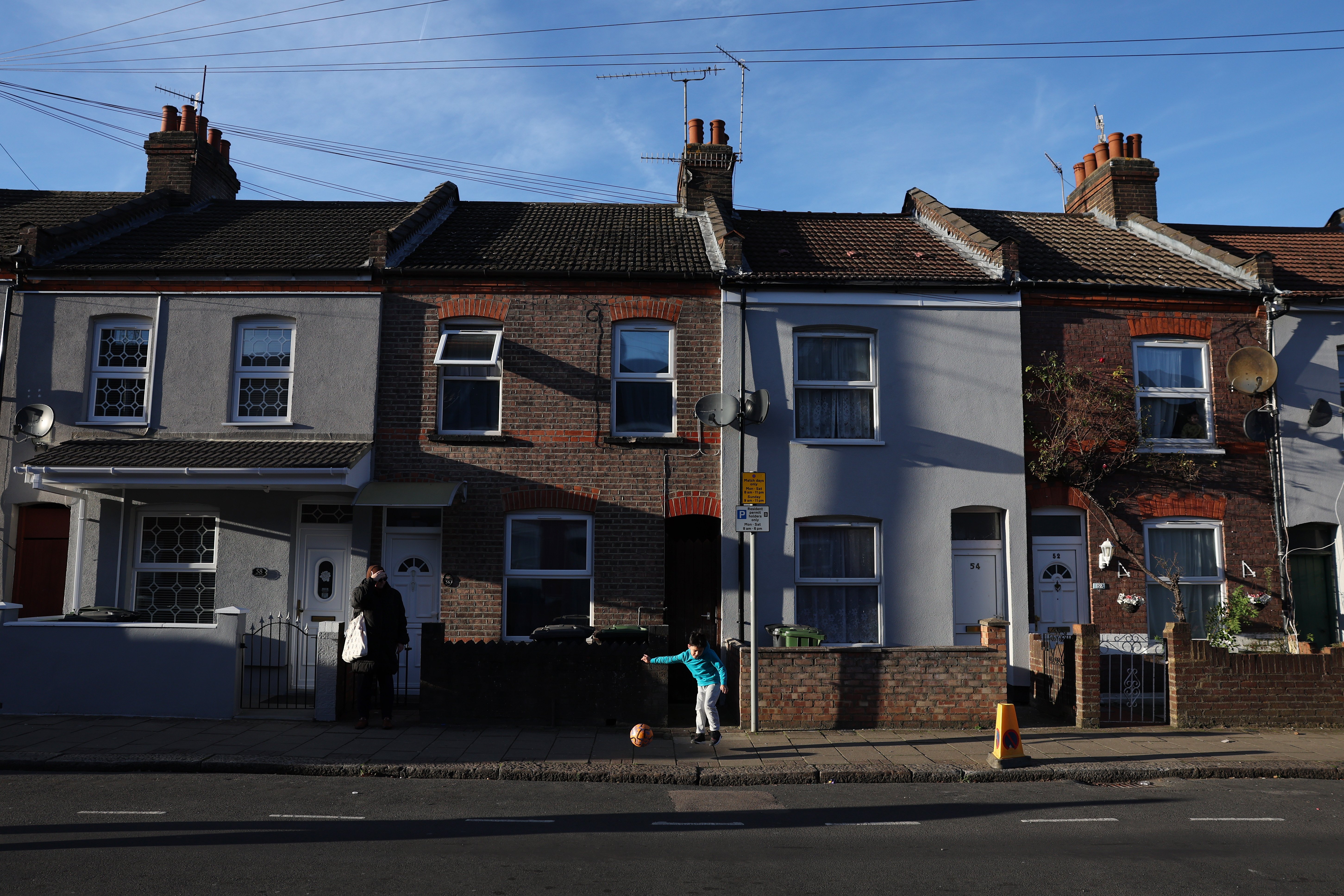
Image: Getty.
The proposed “death tax” would be a 10% levy on estates.
If a 10% levy was to be introduced on estates, it would mean that a person’s estate valued at £100,000 would have to pay £10,000.
In comparison to the Inheritance where estates valued at £325,000 and above would be taxed.
Under the “death tax”, estates valued at £325,000 and above would have a higher toll to pay with a universal levy.
Under the Inheritance Tax, an estate valued at £400,000 would have paid £30,000 - under the proposed “death tax” the tariff bill would go up to £40,000.
The Government estimates that 38,500 estates will become viable to pay higher amounts than under the previous Inheritance Tax.
“There are no plans for this. Fixing our social care system will require building a broad consensus,” said a Government spokesperson when asked about the reports.
“The old way of doing politics has held up social care reform for decades.
“Our immediate focus is on working together to find common ground and deliver the reforms needed to fix the future of social care – not imposing one particular solution or tax.”
Explore more on these topics:
Politics
Politics
Politics
Politics
Reform misspells party name in embarrasing Holborn and St Pancras by-election gaffe
One job… Reform have been involved in an embarrassing gaffe during campaigning for the Holborn and St Pancras by-election after the party managed to spell its name wrong on a letter. Today (October 8), voters are going to the polls in the North London seat to decide who will succeed Keir Starmer as their MP. […]
Politics
4 days ago
Holborn and St Pancras: who will win in Labour vs Green by-election?
On the eve of the Holborn and St Pancras by-election, we look at the state of play in North London. When Keir Starmer decided to complete his retreat from British politics by stepping down as MP in Holborn and St Pancras, it presented Andy Burnham with his first electoral test as Labour leader. Labour have […]
Politics
4 days ago
Politics
Politics