

News

Share
Published 13:23 24 Sept 2026 BST
Updated 13:23 24 Sept 2026 BST
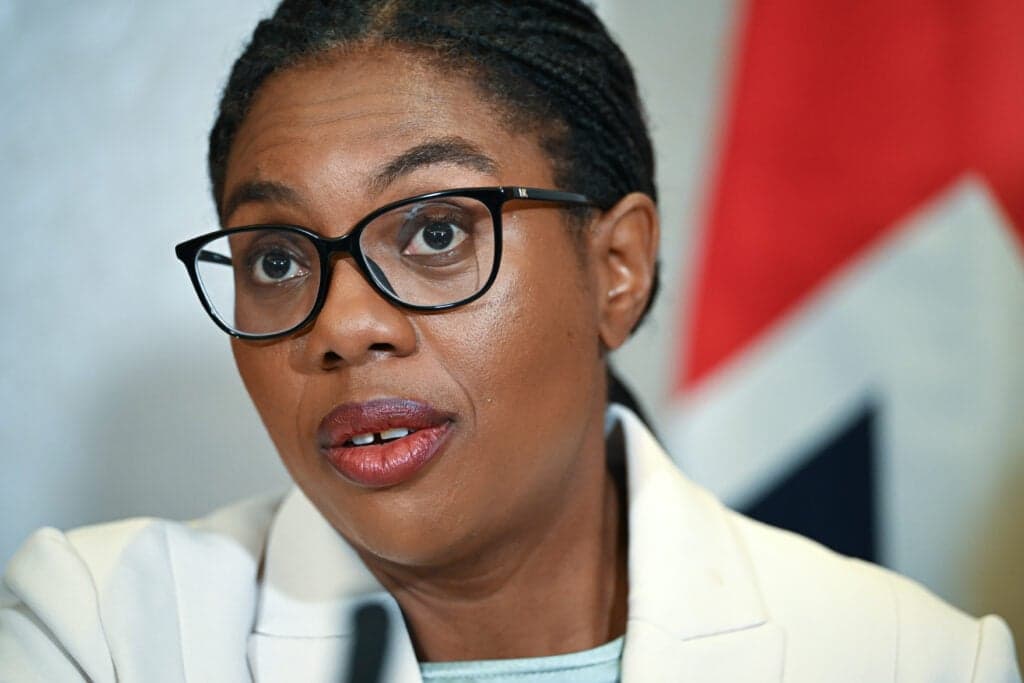
The Conservatives have set out plans for a "Back to Work card" aiming to cut Universal Credit by 30% for long-term jobless claimants able to work, with a focus to halt spendings on alcohol, cigarettes or gambling.
The idea is to cut benefits from individuals unemployed for more than six months who has not paid enough into the system.
A lower amount would be transferred onto the prepaid Back to Work card, blocking cash withdrawals and spending on those demerit items.
Tories expect the drastic change to push people back into the work force while cutting welfare bills.
They estimate moving roughly 350,000 claimants onto the lower rate, saving approximately £538 million annually.
Labour dismissed the plan as unworkable, with a party spokesperson saying that "the Conservatives had 14 years to fix our welfare system but they completely failed to make meaningful reforms.
"Now they are proposing an unworkable new card scheme, which does nothing to tackle the numbers of people their system left signed off and written off."
Conservatives argue that claimants who previously worked would buy them an extra year at the full Universal Credit rate, while those who have not contributed enough would drop to a new "subsistence allowance" worth 70% of the full rate.
Shadow welfare secretary Helen Whately describes the card as "a version" of the existing prepaid Aspen card.
People who are sick, disabled or already in work would be exempt, as would a claimant such as a 58 year-old made redundant after working since leaving school, would keep the full allowance to state pension age.
The Tories are yet to say when the policy could take effect, according to BBC News political reporter Becky Morton.
The proposition lands as welfare spending remains one of the most contested issues at Westminster, including for whoever is currently young and unemployed and watching the rules change around them.
Explore more on these topics:
News
News
News
News
Trump slams ‘terrible’ Chagos deal despite Burnham bond
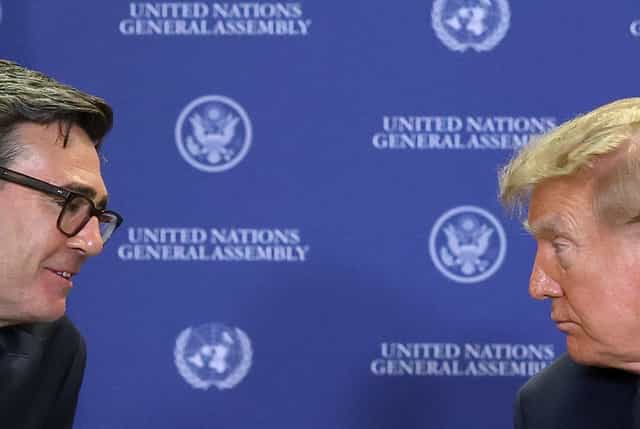
Burnham and Trump’s exchange in first face-to-face interactions The two leaders met for the first time in a face-to-face interaction at the UN General Assembly in New York, on Tuesday. The US president has said he can do business with Burnham, even as the commander in Chief used their first meeting to brand the UK’s […]
News
1 day ago
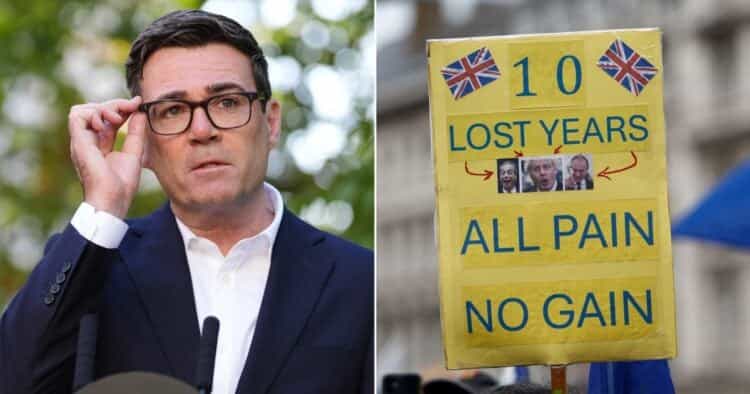
Andy Burnham refuses to rule out future Labour pledge to rejoin EU
Some are calling for Labour to pledge to rejoin the customs union on their next manifesto. Andy Burnham has refused to rule out the UK rejoining the European Union at some point in the future. The prime minister said he was focused on the EU summit later this year and his priority was “to build […]
News
1 day ago
News
All the nations to vote for and against Palestine participating in UN General Assembly
News