
Politics

Share
Published 18:26 5 Jun 2018 BST
Updated 18:28 5 Jun 2018 BST
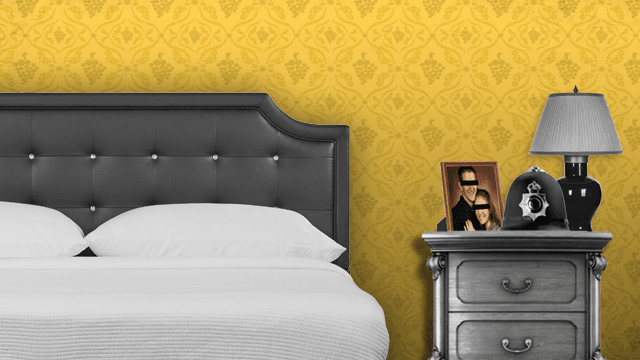
 (Credit: Anthony Devlin)[/caption]
Has your experience changed your view of the police?
After I moved away from environmental direct action, I consciously worked to improve my relationship with the police and authority.
I trained as a Social Worker and was close friends with a police officer during my training. When I found out about the relationship I no longer felt able to work with or trust the police.
I became afraid of the police.
I had all this pent-up emotion, all the hurt and anger that the violation created, but I couldn't express it to anyone, least of all the police. This was part of the reason I left social work.
What would you like to see happen next?
I would like the Police, as an institution, to stop using delaying tactics, in relation to the Public Inquiry, be honest and come clean about the failings and the mismanagement of these units and seek to make genuine amends, by releasing the cover names of all the officers deployed and the groups they infiltrated and gathered information on.
Granting the police anonymity prevents the truth from being discovered.
These officers were paid to lie, and living a life built on lies and deceit for five years enables you to become very skilled at lying.
It is vital the the home secretary, Sajid Javid, rather than pretend that the Lush campaign is attacking the Police, instead of trying to curry favour with the Police, whilst still cutting their funding: appoints a diverse panel to the inquiry. He is fully aware of the issues that we want to highlight.
Personally I want an end to deceit, I want honesty and transparency, reconciliation and understanding.
I am an idealist and I want us to create a better world.
I don't want to distrust the police, I want to have faith in our institutions.
I don't choose to hate or deride the police. I just want answers.
(Credit: Anthony Devlin)[/caption]
Has your experience changed your view of the police?
After I moved away from environmental direct action, I consciously worked to improve my relationship with the police and authority.
I trained as a Social Worker and was close friends with a police officer during my training. When I found out about the relationship I no longer felt able to work with or trust the police.
I became afraid of the police.
I had all this pent-up emotion, all the hurt and anger that the violation created, but I couldn't express it to anyone, least of all the police. This was part of the reason I left social work.
What would you like to see happen next?
I would like the Police, as an institution, to stop using delaying tactics, in relation to the Public Inquiry, be honest and come clean about the failings and the mismanagement of these units and seek to make genuine amends, by releasing the cover names of all the officers deployed and the groups they infiltrated and gathered information on.
Granting the police anonymity prevents the truth from being discovered.
These officers were paid to lie, and living a life built on lies and deceit for five years enables you to become very skilled at lying.
It is vital the the home secretary, Sajid Javid, rather than pretend that the Lush campaign is attacking the Police, instead of trying to curry favour with the Police, whilst still cutting their funding: appoints a diverse panel to the inquiry. He is fully aware of the issues that we want to highlight.
Personally I want an end to deceit, I want honesty and transparency, reconciliation and understanding.
I am an idealist and I want us to create a better world.
I don't want to distrust the police, I want to have faith in our institutions.
I don't choose to hate or deride the police. I just want answers.
 (Credit: Dan Istitene)[/caption]
How did you find out their real identity?
After the exposure of a series of undercover officers, a trade craft began to be identified by activists and journalists. 15 years after our relationship ended (and nine years after he disappeared), some of the social group I had known at the time began to suspect that he was not the person he said he was.
They approached the Undercover Research Group to assist in discovering his identity. After exhaustive research they found his children's birth certificates, with father's occupation... police officer.
What was it like when you found out?
Utterly surreal. I had no reference point for a discovery like this. Added to that, I was many miles away from the other people who were affected by his deployment. We were all uneasy and a little paranoid. Nobody was willing to communicate by any method that could be intercepted at first.
I was completely isolated. Anger and a feeling of injustice was a constant throughout, especially the first months. Anger and a need to seek justice continues to this day. It was perhaps the sense of shock that made it such a long time before I could really begin to accept that this was actually happening to us all.
Has your experience changed your view of the police?
I have been politically aware since my early teens. I was politicised by the miners strike. I saw Orgreave happen. I'm from Liverpool. The Hillsborough tragedy happened in my teenage years also.
I have been on countless political actions and demonstrations throughout my life and have often been met with needless, unwarranted aggression by police officers in the course of policing demonstrations. The scale of the spy cops intrusions surprised me, but I'm afraid my experience of policing of political dissent was most often a negative one.
What would you like to see happen next?
The police to begin to genuinely co-operate with those of us who were spied upon and prove that they are as apologetic as they claim to be. We need them to stop fighting to keep their information secret and disclose to us and the inquiry exactly what has happened to us all.
We need this inexcusable intrusion into the lives of activists, exercising their democratic right to protest, to cease to be a part of policing methodology. We need to know who authorised and oversaw these deployments. The tops of the trees need to be shaken.
(Credit: Dan Istitene)[/caption]
How did you find out their real identity?
After the exposure of a series of undercover officers, a trade craft began to be identified by activists and journalists. 15 years after our relationship ended (and nine years after he disappeared), some of the social group I had known at the time began to suspect that he was not the person he said he was.
They approached the Undercover Research Group to assist in discovering his identity. After exhaustive research they found his children's birth certificates, with father's occupation... police officer.
What was it like when you found out?
Utterly surreal. I had no reference point for a discovery like this. Added to that, I was many miles away from the other people who were affected by his deployment. We were all uneasy and a little paranoid. Nobody was willing to communicate by any method that could be intercepted at first.
I was completely isolated. Anger and a feeling of injustice was a constant throughout, especially the first months. Anger and a need to seek justice continues to this day. It was perhaps the sense of shock that made it such a long time before I could really begin to accept that this was actually happening to us all.
Has your experience changed your view of the police?
I have been politically aware since my early teens. I was politicised by the miners strike. I saw Orgreave happen. I'm from Liverpool. The Hillsborough tragedy happened in my teenage years also.
I have been on countless political actions and demonstrations throughout my life and have often been met with needless, unwarranted aggression by police officers in the course of policing demonstrations. The scale of the spy cops intrusions surprised me, but I'm afraid my experience of policing of political dissent was most often a negative one.
What would you like to see happen next?
The police to begin to genuinely co-operate with those of us who were spied upon and prove that they are as apologetic as they claim to be. We need them to stop fighting to keep their information secret and disclose to us and the inquiry exactly what has happened to us all.
We need this inexcusable intrusion into the lives of activists, exercising their democratic right to protest, to cease to be a part of policing methodology. We need to know who authorised and oversaw these deployments. The tops of the trees need to be shaken.
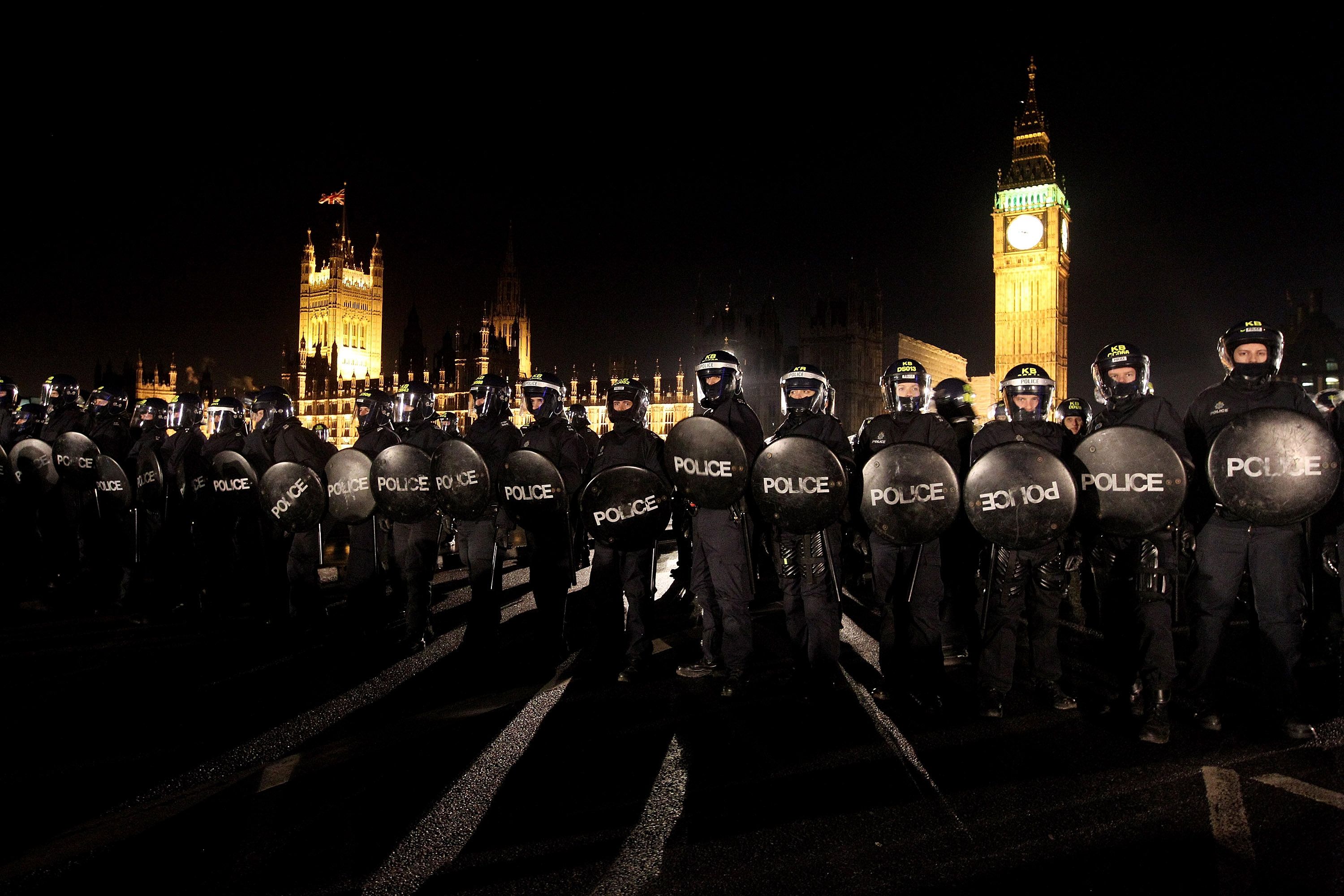 (Credit: Oli Scarff)[/caption]
How did you first meet?
I don't recall the exact time we met, he started coming to meetings that I was at. I remember seeing him around but not being particularly friendly with him. It was quite surprising when he started turning up at the house I shared with friends. It turns out we all thought one of the others had invited him, but nobody had - he just turned up. We discovered he had a habit of doing this to women, usually in the evening.
Why did they target you?
He wrote the tradecraft manual for the special demonstration squad that advised "fleeting, disastrous relationships with individuals who are not important to your sources of information."
How did you find out their real identity?
I had never heard of spy cops before February 4 2017. That evening I got a friend request on Facebook from someone I hadn't spoken to in over 25 years. He then explained we had been spied on and directed me to a page to read all about it. I then came across a picture of my "ex," Andy.
I was told that they knew who he was in real life. His real name is Andy Coles. He was the Deputy Police and Crime Commissioner for Cambridgeshire and Peterborough and is also a Conservative councillor for Fletton and Woodston. The reason that all this is known is because his famous brother, the Reverend Richard Coles, named him in his autobiography as working undercover for special branch.
What was it like when you found out?
Totally devastating. The one thing somebody can always be sure about is their own life, their own experiences and history. Suddenly my past has become something completely different, there were actors playing parts in it.
My first proper boyfriend wasn't real. It was someone I would never have even let in my house, let alone my bed.
I hadn't been in control, I had been manipulated and used.
Not only by Andy, but by the faceless people behind him, the back room team who supported him. I was deceived into a sexual relationship by him, I have no idea how much of my personal and private life was witnessed by or shared with these other officers.
It is an absolute violation of me and my body, and I don't even know how many people were actually party to it, knew about it and did nothing to stop it happening.
Has your experience changed your view of the police?
I was never scared of them before now. However, I appreciate that what happened to me was only allowed to happen because these poorly managed units had no respect for any of the people they were spying on.
I understand that the special demonstration squad and national public order intelligence unit were a law unto themselves, and behaved appallingly. I do not accept that this kind of behaviour is a fair representation of the rest of the police force.
What would you like to see happen next?
The public inquiry into undercover policing must not be allowed to fail.
It is common sense that in order to be able to give evidence, about what an undercover officer did while deployed, you need to know their name, what group they were spying on and what year the year they did so.
However the current chair of the inquiry refuses to tell us anything at all about so many of these officers that there is no way for us to actively and meaningfully participate in the process.
We know that without our input, there is no way this inquiry will be able to expose the truth.
We feel that additional panel members must be appointed, as a matter of urgency, so that Sir John Mitting, the inquiry chair, is not left to investigate the issues alone. Without major changes being made, the £10 million spent so far on this inquiry will be wasted, and it will fail in the same way as the previous 18 internal investigations.
(Credit: Oli Scarff)[/caption]
How did you first meet?
I don't recall the exact time we met, he started coming to meetings that I was at. I remember seeing him around but not being particularly friendly with him. It was quite surprising when he started turning up at the house I shared with friends. It turns out we all thought one of the others had invited him, but nobody had - he just turned up. We discovered he had a habit of doing this to women, usually in the evening.
Why did they target you?
He wrote the tradecraft manual for the special demonstration squad that advised "fleeting, disastrous relationships with individuals who are not important to your sources of information."
How did you find out their real identity?
I had never heard of spy cops before February 4 2017. That evening I got a friend request on Facebook from someone I hadn't spoken to in over 25 years. He then explained we had been spied on and directed me to a page to read all about it. I then came across a picture of my "ex," Andy.
I was told that they knew who he was in real life. His real name is Andy Coles. He was the Deputy Police and Crime Commissioner for Cambridgeshire and Peterborough and is also a Conservative councillor for Fletton and Woodston. The reason that all this is known is because his famous brother, the Reverend Richard Coles, named him in his autobiography as working undercover for special branch.
What was it like when you found out?
Totally devastating. The one thing somebody can always be sure about is their own life, their own experiences and history. Suddenly my past has become something completely different, there were actors playing parts in it.
My first proper boyfriend wasn't real. It was someone I would never have even let in my house, let alone my bed.
I hadn't been in control, I had been manipulated and used.
Not only by Andy, but by the faceless people behind him, the back room team who supported him. I was deceived into a sexual relationship by him, I have no idea how much of my personal and private life was witnessed by or shared with these other officers.
It is an absolute violation of me and my body, and I don't even know how many people were actually party to it, knew about it and did nothing to stop it happening.
Has your experience changed your view of the police?
I was never scared of them before now. However, I appreciate that what happened to me was only allowed to happen because these poorly managed units had no respect for any of the people they were spying on.
I understand that the special demonstration squad and national public order intelligence unit were a law unto themselves, and behaved appallingly. I do not accept that this kind of behaviour is a fair representation of the rest of the police force.
What would you like to see happen next?
The public inquiry into undercover policing must not be allowed to fail.
It is common sense that in order to be able to give evidence, about what an undercover officer did while deployed, you need to know their name, what group they were spying on and what year the year they did so.
However the current chair of the inquiry refuses to tell us anything at all about so many of these officers that there is no way for us to actively and meaningfully participate in the process.
We know that without our input, there is no way this inquiry will be able to expose the truth.
We feel that additional panel members must be appointed, as a matter of urgency, so that Sir John Mitting, the inquiry chair, is not left to investigate the issues alone. Without major changes being made, the £10 million spent so far on this inquiry will be wasted, and it will fail in the same way as the previous 18 internal investigations.Explore more on these topics:
Politics
Politics
Politics
Politics
Should Burnham have a seat at the table over Celtic Alliance talks?
England might have say in Union breakup discussions Scotland, Wales and Northern Ireland recently signed the Celtic Alliance in Cardiff on Monday, sealing talks over possible UK breakaway referendums and further autonomy from Westminster. All three countries have signed an agreement of cooperation calling on their “right to self-determination”, including the Border Poll discussions over […]
Politics
3 days ago
George Osborne urges UK to rejoin EU customs union to reverse Brexit disaster
The former chancellor said the British economy has ‘fallen off a cliff’ since Brexit. George Osborne has called for the UK to rejoin the European Union’s custom union to help reverse the economic damage done by Brexit. The former chancellor, who was part of David Cameron’s cabinet when the infamous referendum was called in 2016, said […]
Politics
4 days ago
Politics
England’s mayors are getting the power to charge a tourist tax
Politics