



Politics

Share
Published 17:01 30 Jul 2026 BST
Updated 17:21 30 Jul 2026 BST
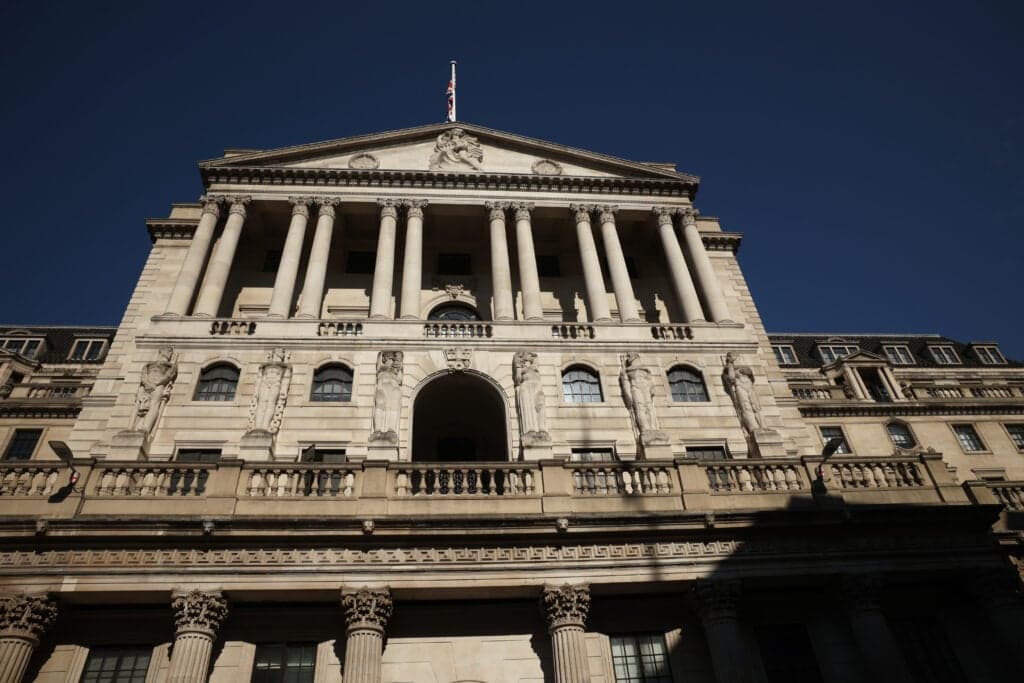
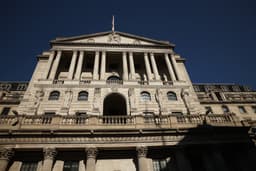
Journalists gathered outside the Bank of England on Thursday for a decision that, on the face of it, looked like a non-event. Rates stayed put. But the reason interest rates did not fall tells you almost everything about where the British economy sits this summer — and about a war being fought more than 3,000 miles away.
The Bank held its benchmark rate at 3.75%, and the message was blunt: were it not for the conflict in the Middle East, borrowing costs would almost certainly be heading down. Underlying inflationary pressure in the domestic economy, the Monetary Policy Committee said, is now almost entirely absent.
Strip out the war and the numbers look calm. Prices are stable and, the Bank says, would be rising steadily towards its 2% target rather than threatening to overshoot. Supermarkets have kept food inflation low, and services firms — for years after the pandemic a reliable source of price rises — have restrained increases through 2026.
Wages tell a similar story. Annual pay growth across the private sector ran at just 2.8% in the second quarter, and although it is expected to edge up to 3% in the third, that is comfortably within the range officials are relaxed about. “So far, there are few signs of second-round effects,” the Bank's quarterly review noted.
Crucially, the so-called spillover from earlier rises in energy and transport costs has stayed muted. That matters, because it is precisely those second-round effects — the point at which a one-off shock becomes baked into everyday prices and pay packets — that force a central bank to keep money expensive. On the domestic evidence alone, the case for a cut would be hard to argue against.
So what is holding the line? Oil. The conflict in the Middle East has kept the price of crude elevated for far longer than markets expected, and the Bank fears that a lasting energy shock could feed through into shop prices and wage demands. As the Guardian analysis of the decision put it, only the Middle East crisis stands between the current hold and a cut.
Officials worry about psychology as much as economics: that companies might seize on a general expectation of higher costs to push prices up, or that workers, anticipating inflation, will pitch for outsized pay rises. Neither has happened yet — but the committee is unwilling to bet that it won't.
For borrowers, the practical takeaway is that a cut is being deferred rather than cancelled. It is a rare piece of calm at a time otherwise dominated by rows over public spending and tax, and if the oil price eases, the path back to lower interest rates could open quickly. For now, Threadneedle Street is watching the Gulf as closely as it watches the shops. The Bank has left itself room to move quickly in either direction, and made clear the committee will keep monitoring the evidence closely rather than commit to a timetable. Households hoping for cheaper mortgages, in other words, may find their fortunes decided less in London than in the Middle East.
Explore more on these topics:
Politics
Politics
Politics

Politics
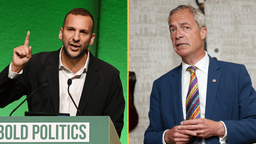
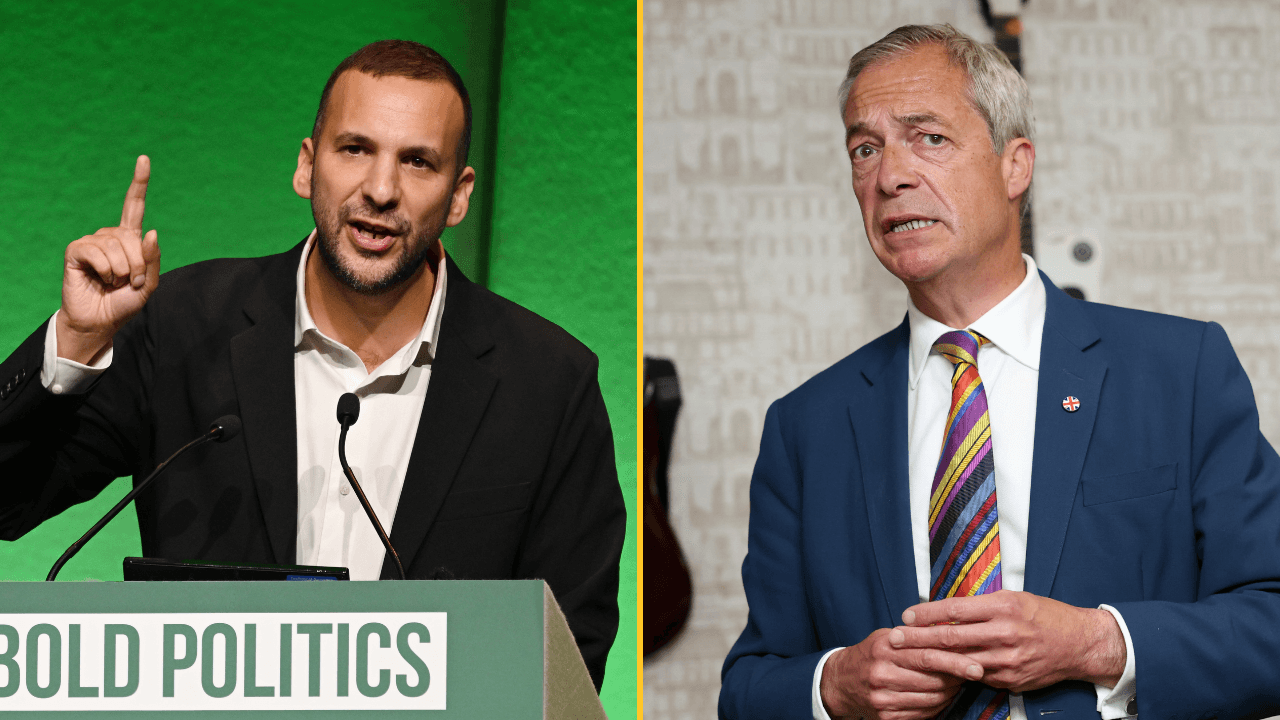
Zack Polanski refuses to apologise to Nigel Farage over social media post
Polanski accused Farage of amplifying the post in a ‘fundamentally dishonest way.’ Zack Polanski has refused to apologise to Nigel Farage for re-posting a photo of a man wearing a t-shirt with an image of a guillotine and the slogan “we’re only making plans for Nigel”. On Sunday, Polanski accepted a collaborator request on an […]
Politics
1 day ago
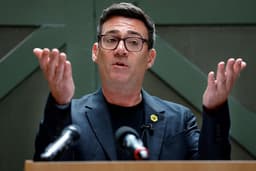
Social care reform: Burnham vows to fix ‘broken’ system
Burnham makes bold move Prime Minister Andy Burnham has called for urgent social care reform, using a major speech to invite the Conservatives and Liberal Democrats into cross-party talks aimed at fixing a system he says can no longer be treated as a political football. Speaking at a care home in Enfield, north London, Burnham […]
Politics
1 day ago

Politics
Count Binface reveals Clacton by-election manifesto
Politics